



Embrace Low-Sodium Living
Transitioning to a low-sodium diet doesn't mean sacrificing flavor or enjoyment. This approach focuses on harnessing natural tastes and incorporating a variety
of wholesome ingredients to create satisfying meals. It's a proactive step towards better cardiovascular health, offering a sustainable way to manage blood pressure and reduce the risk of related complications. By understanding the role of sodium in our diet and adopting smart cooking strategies, individuals can significantly improve their well-being. Experts emphasize that a balanced intake is key, not necessarily complete elimination, allowing for a more flexible and enjoyable eating experience while still achieving significant health benefits. This dietary shift is foundational for long-term vitality.
Heart Health Focus
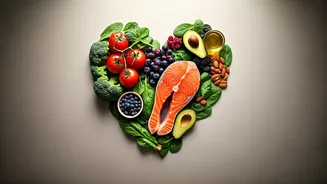
Prioritizing heart health is paramount, and a low-sodium diet plays a crucial role in this endeavor. By limiting sodium intake, individuals can effectively manage hypertension, a significant risk factor for heart disease and stroke. This dietary adjustment helps reduce fluid retention, thereby lowering blood pressure. Furthermore, embracing a heart-conscious eating pattern often involves an increase in fruits, vegetables, and whole grains, all rich in essential nutrients and fiber. These components contribute to lower cholesterol levels and reduced inflammation, creating a comprehensive approach to cardiovascular wellness. Engaging with resources like dietitian-created meal plans and specialized recipes empowers individuals to make informed choices that support a robust and healthy heart.
Healthy Aging Strategies
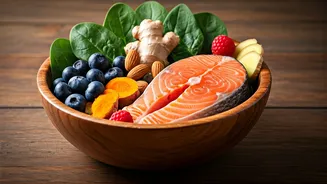
Supporting healthy aging involves a multifaceted approach, with diet being a cornerstone. A low-sodium eating plan contributes significantly by mitigating age-related health challenges, such as elevated blood pressure and cardiovascular strain. By adopting a diet rich in nutrients that combat oxidative stress and inflammation, individuals can promote cellular health and maintain cognitive function as they get older. Recipes designed for healthy aging often feature lean proteins, healthy fats, and a bounty of antioxidant-rich produce. These meals not only satisfy the palate but also provide the building blocks for sustained energy and vitality, ensuring a higher quality of life during the golden years. Incorporating these principles can lead to a more vibrant and independent lifestyle.
Delicious Low-Sodium Recipes
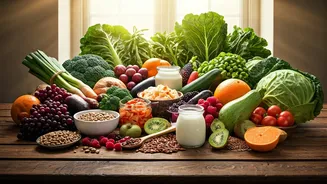
Exploring a variety of low-sodium recipes is key to making this dietary change enjoyable and sustainable. From quick and easy weekday meals to more elaborate weekend dishes, there are countless options to suit every taste and occasion. Consider recipes like the 'One-Pan Chicken & Asparagus Bake' or 'Sheet-Pan Chicken Fajitas' for effortless weeknight dinners that minimize cleanup and maximize flavor. For those seeking vegetarian options, 'Chhole (Chickpea Curry)' or 'Cheesy Vegetable Bake' offer hearty and satisfying alternatives. Don't forget about breakfast; 'Cinnamon-Roll Overnight Oats' or 'Avocado-Egg Toast' provide nutritious starts to the day. Even desserts can be guilt-free with options like 'Diabetes-Friendly Carrot Cake' or 'Strawberry-Chocolate Greek Yogurt Bark'.
Expert Meal Planning
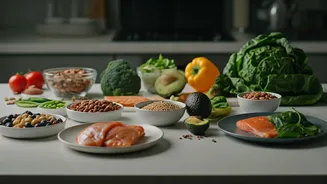
Leveraging expert-designed meal plans can simplify the transition to a low-sodium lifestyle and ensure nutritional balance. Dietitians often create comprehensive 7-day plans, such as the '7-Day No-Sugar, Low-Sodium Meal Plan for Better Heart Health' or its equally beneficial counterpart focused on weight loss. These plans provide a structured framework, outlining breakfast, lunch, and dinner options that are both healthy and delicious. They take the guesswork out of meal preparation, offering variety while adhering to strict low-sodium and often no-sugar guidelines. By following these curated menus, individuals can gain confidence in their ability to meet their health goals without feeling deprived. These plans are invaluable for anyone looking for practical guidance.