



Choosing Healthy Fats
In the contemporary Indian kitchen of 2026, selecting the right cooking fat is paramount for a balanced diet. Nutritionists and health experts advocate
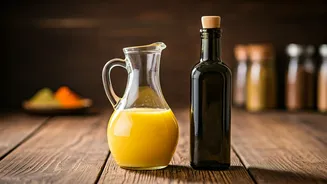
for mindful 'functional fat usage,' emphasizing that the key isn't choosing one fat over another, but rather matching the fat to the specific cooking method. This approach ensures maximum health benefits and optimal culinary results. When opting for A2 Bilona Ghee, traditionally made from curd, or cold-pressed Extra Virgin Olive Oil, it's crucial to avoid those processed with chemical solvents often found in refined oils. This conscious choice ensures you're incorporating pure, beneficial fats into your meals, a vital step towards healthier eating habits.
Ghee: The High-Heat Champion
Ghee, or clarified butter, stands as the undisputed hero for high-temperature Indian cooking. Its remarkable smoke point, a staggering 250°C, ensures it remains exceptionally stable even during intense processes like deep-frying and tempering spices (tadka). Unlike many other cooking oils that can degrade and form harmful free radicals when subjected to heat, ghee maintains its integrity. This makes it the ideal choice for traditional Indian dishes that require sustained high heat, preserving both flavor and nutritional value without compromising health. Its stability at high temperatures is a significant advantage for a cuisine rich in fried and sautéed elements.
Olive Oil: The Low-Heat Star
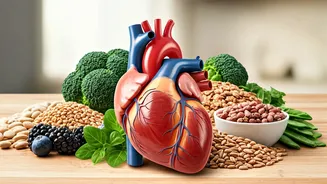
Extra Virgin Olive Oil truly shines in applications involving lower heat or as a finishing element. It is a treasure trove of monounsaturated fats (MUFAs) and potent polyphenols, making it a champion for cardiovascular well-being. However, its lower smoke point, typically ranging between 160°C and 190°C, dictates its usage; applying it to heavy frying can diminish its beneficial properties. Therefore, it is best reserved for gentle sautéing or to add a final flourish to dishes, enhancing their flavor and nutritional profile. For medium-heat preparations like upma or poha, refined olive oil can be a more suitable option, while Extra Virgin remains ideal for cold preparations such as dips or drizzled over bread.
Beyond Fat: Ghee's Benefits
Ghee offers more than just its fat content; it is a valuable source of Butyric Acid, a short-chain fatty acid known to bolster the health of the gut lining and mitigate inflammation within the body. Furthermore, it is naturally abundant in fat-soluble vitamins A, D, E, and K. These vitamins play crucial roles in enhancing the immune system and promoting bone density, which is particularly beneficial for the Indian physique, often predisposed to Vitamin D deficiencies. Incorporating ghee judiciously can therefore contribute significantly to overall health and well-being, addressing specific nutritional needs.
Co-existence for Balance
The most effective strategy for Indians in 2026 involves the harmonious co-existence of both ghee and olive oil in the kitchen. Instead of viewing them as competitors, embrace their complementary strengths. For instance, using a small amount of ghee for everyday staples like dal and rotis can aid digestion. Simultaneously, a strategic swap involves replacing refined seed oils in continental dishes with olive oil. It's essential to remember that both fats are calorie-dense, so the primary goal remains to substitute unhealthy trans fats rather than simply increasing overall oil consumption. This balanced approach ensures you reap the benefits of both culinary traditions.