




Beware "Project Pieces"
It's easy to be charmed by a piece of furniture that seems to have potential, promising a quick and inexpensive facelift. However, experts caution against
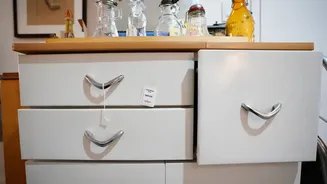
acquiring what they call 'project pieces' if you're not genuinely inclined towards DIY endeavors. What might appear to be a minor fix can quickly escalate into a time-consuming and costly undertaking. For instance, a seemingly affordable dresser might demand twenty hours of your time and an additional ₹150 worth of materials to restore it to its former glory. While tasks like reupholstery can be outsourced, the expense can be substantial. Unless you have a passion for renovation and a realistic budget for materials and professional help, it's often wiser to bypass items that require significant transformation to avoid accumulating a collection of unfinished tasks.
Question the Pricing
Before you excitedly hand over your money for a thrift store find, it's prudent to pause and do a quick price check. Don't assume that every item is priced fairly, or even appropriately for its age and origin. Online marketplaces often reveal that comparable items can be found for considerably less, or that a piece you believed to be vintage is actually a mass-produced item that may not endure. For example, a set of decorative ashtrays, which could serve as charming trinket dishes, were spotted priced at ₹40 each. A quick search on an online auction site, however, showed them available for as little as ₹5 each. Utilizing tools like reverse image search can quickly arm you with information about an item's market value and authenticity, preventing you from overpaying for something that's readily available elsewhere at a better deal.
Verify Age & Value
The allure of thrift stores often lies in the possibility of uncovering unique, older pieces that lend character to a home. However, it's a common misconception that everything on the shelves is inherently vintage or valuable. Many thrift store assortments include items that are readily available at discount retailers for a fraction of the thrift store price, sometimes even more expensively. Keep a keen eye on store tags and compare prices with what you might expect to pay for the item brand new, especially if it appears to be a modern or generic product. Discovering that a 'vintage' item is, in fact, a dollar-store find priced higher than its original retail cost can be a significant disappointment and a waste of money.
Inspect for Odors & Stains
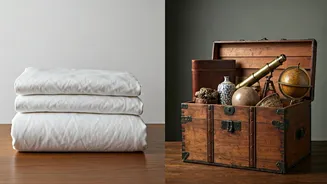
Even if an item appears visually appealing at first glance, a thorough inspection for hidden flaws is crucial before making a purchase. Experts strongly advise giving any potential find a detailed once-over, paying particular attention to any persistent odors or noticeable stains. Older textiles, upholstered furniture, or wooden pieces can sometimes harbor musty smells or discolored marks that are difficult, if not impossible, to remove. Bringing home an item with an unpleasant odor or a stain that cannot be treated might mean you've inadvertently acquired something that will end up being discarded, effectively nullifying any perceived bargain and leading to unnecessary waste.
Rethink Appliance Buys
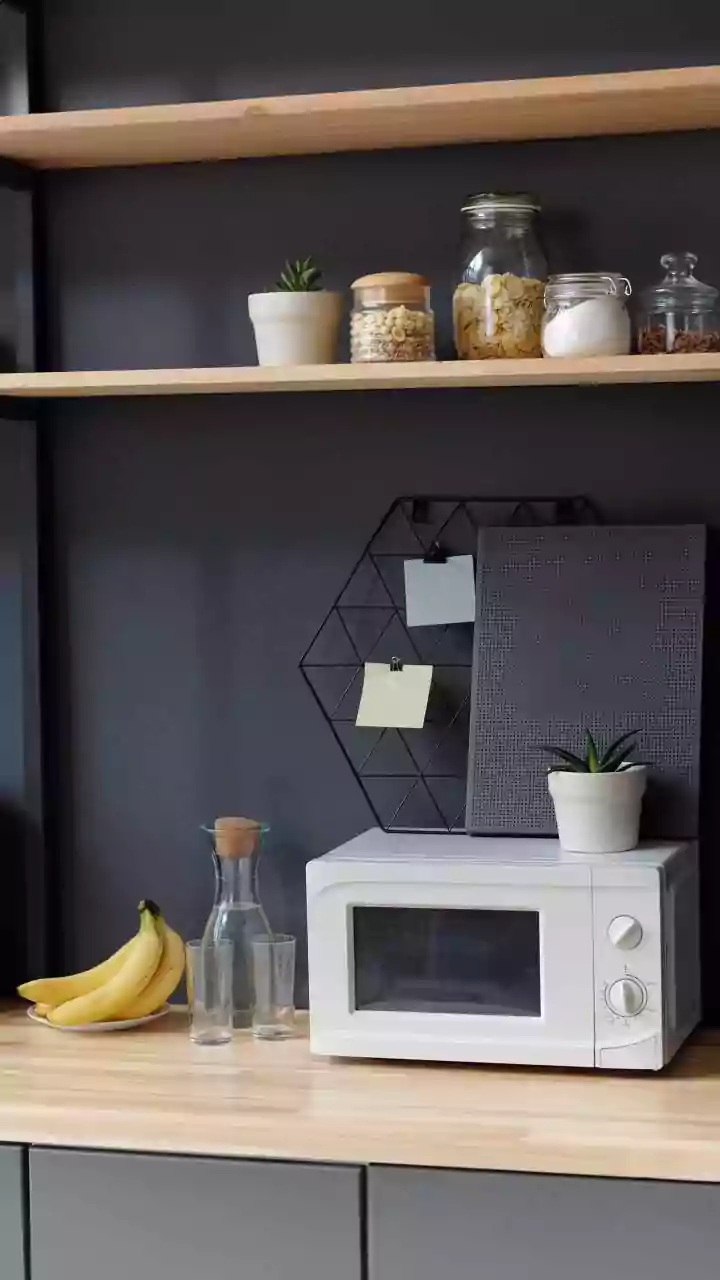
While spotting a kitchen appliance at a bargain price in a thrift store can seem like a fantastic stroke of luck, it's often a situation best approached with caution. When numerous units of a particular appliance appear on thrift store shelves, it can be a subtle indicator that the product doesn't function as advertised or expected. The significant drawback with purchasing appliances secondhand is the inability to test their functionality before committing to the buy. Without the opportunity to verify if a hand mixer or espresso machine is in working order, you risk losing your money on a non-operational item, making it a far more sensible choice to leave such gadgets behind unless you are prepared for the possibility of a financial loss.