







Tariff Reduction Unveiled
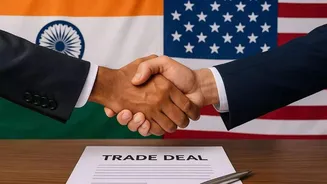
Under the new trade agreement, the United States reduced tariffs imposed on Indian goods to 18%. This decision is expected to have a considerable impact
on trade relations between the two countries. The reduction in tariffs is viewed as a major step towards fostering a more conducive environment for businesses and investors. This move could boost the competitiveness of Indian products in the US market, consequently leading to increased exports and potentially higher revenues for Indian businesses. The revised tariff structure provides a more accessible pathway for Indian exporters, allowing them to offer their goods at competitive prices. This initiative is designed to create a level playing field, and encourages greater economic cooperation between India and the United States. Moreover, the tariff reduction aligns with efforts to promote fair and open trade practices, creating an atmosphere that is supportive of both economic growth and market access.
Opportunities for Farmers
The trade agreement is poised to unlock vast opportunities for Indian farmers. Reduced tariffs mean that agricultural products from India can access the US market more easily and competitively. This opens doors for increased exports of essential commodities. This access translates to a higher demand for Indian produce, potentially leading to increased production and improved income for farmers. Furthermore, the agreement promotes a more stable and predictable trade environment for agricultural goods, offering greater security to those involved in the farming sector. These changes could encourage investments in modern farming practices and technologies, with an expectation of boosting overall agricultural productivity. It also sets a precedent for stronger partnerships between the US and Indian agricultural communities, promoting knowledge exchange, facilitating advancements and growth within the sector. Consequently, the agreement holds the potential to significantly enhance the livelihood of farmers, reinforcing the Indian economy as a whole.
Boost for Industries
Besides agriculture, Indian industries are also expected to gain significantly from the India-US trade deal. The reduction in tariffs lowers the cost of exporting manufactured goods and services to the United States. This will not only make Indian products more competitive but also encourage increased market share in the US. The agreement covers a wide range of industries. It supports the growth of businesses across sectors, including manufacturing, textiles, and technology, to name a few. Industries can now expect greater access to the US market, leading to increased export volumes. This could translate to job creation and economic growth. The reduction in trade barriers facilitates a more streamlined trade process for Indian companies. This creates a more advantageous environment for businesses seeking to expand their operations, both in the US and globally. Industry experts predict that the trade deal will serve as a catalyst for innovation and modernization in the Indian industrial sector, further strengthening its global standing.
Win-Win Scenario
Industry and market experts have celebrated the India-US trade deal, emphasizing its win-win potential. The consensus is that the agreement will be advantageous for both nations, fostering mutual economic growth and development. The deal signifies a significant step toward improving bilateral trade relationships. The reduction in tariffs and increased market access creates a more favorable atmosphere for cooperation and collaboration. Experts believe that the agreement will lead to increased investments, job creation, and economic advancement for both countries. The trade deal illustrates the commitment of both the US and India to strengthen their economic ties. It promotes a cooperative environment based on shared interests, encouraging strategic partnerships. This strengthens both the Indian and the US economies, with positive implications for the global economy. By boosting trade and investment, the agreement underscores the significance of international collaboration and open markets.