
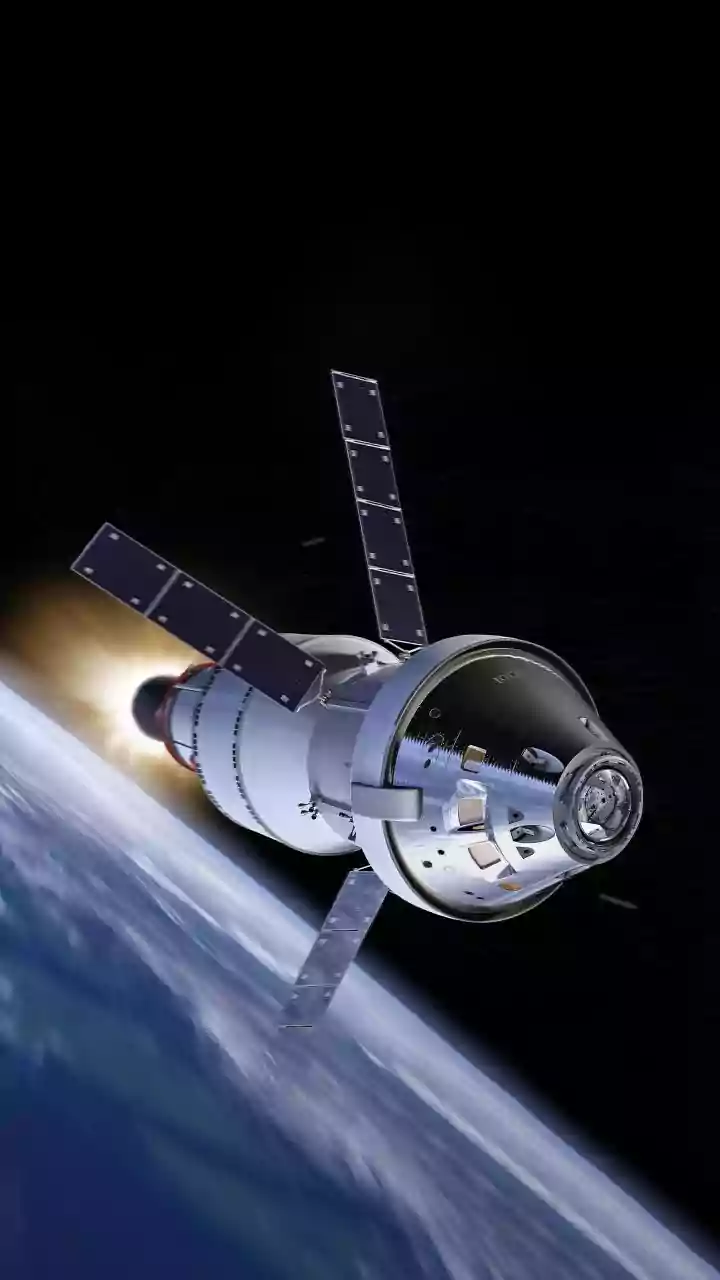
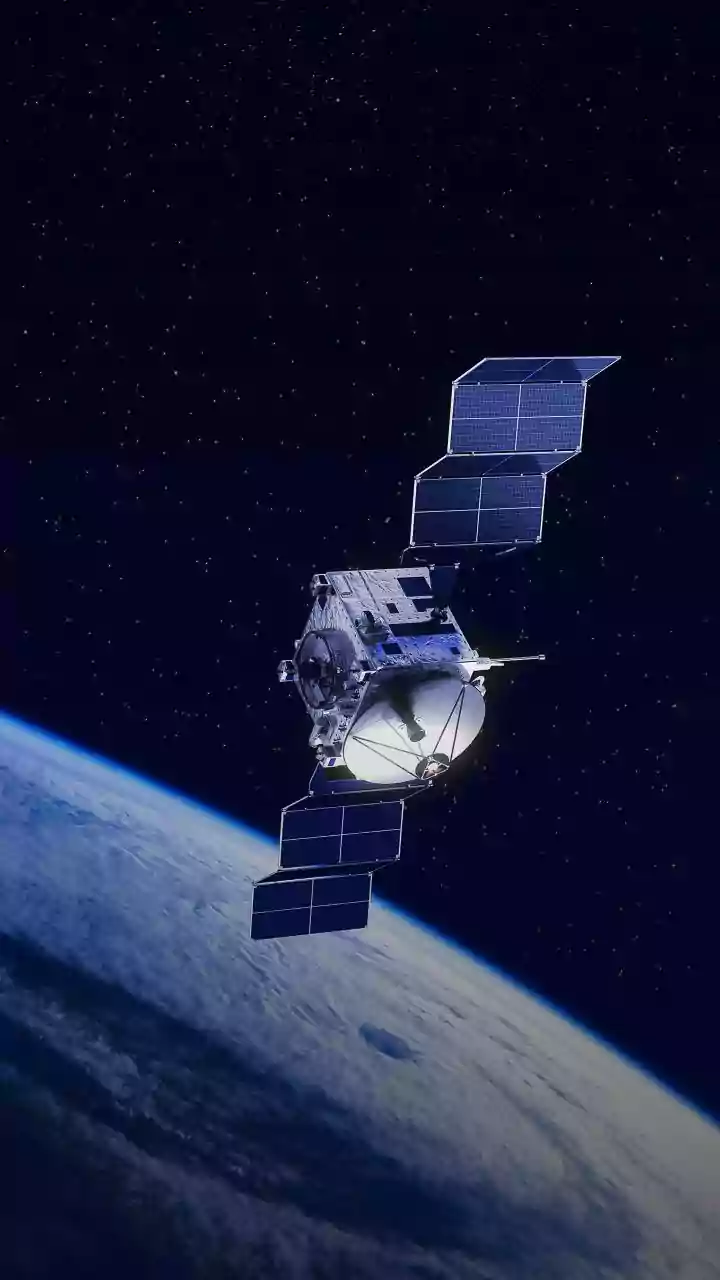


Empowering Autonomous Missions
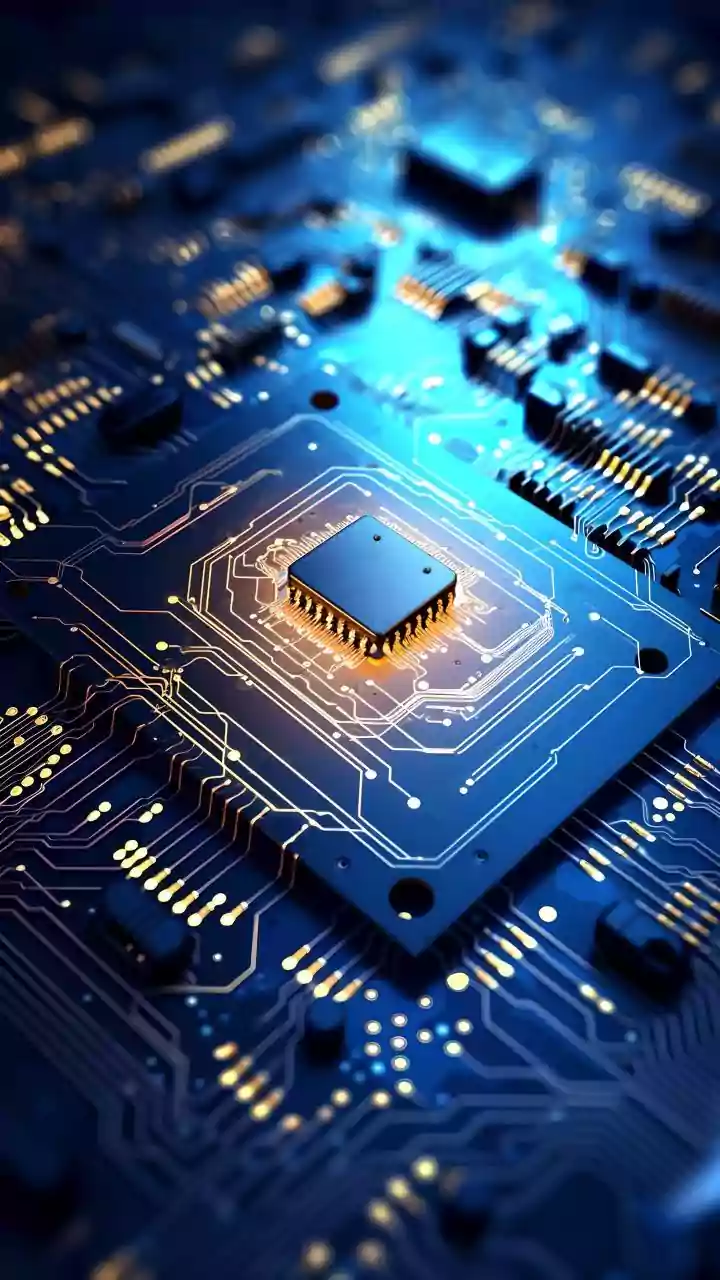
The future of deep-space exploration is poised for a significant leap thanks to NASA's innovative High-Performance Spaceflight Computing (HPSC) project.
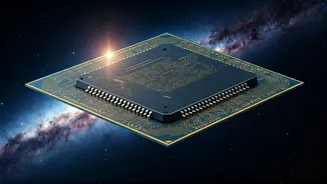
At its core is a powerful new processor engineered to grant spacecraft an unprecedented level of autonomy. Currently, missions rely heavily on instructions from Earth, a process hampered by substantial communication delays, especially across vast interstellar distances. This new technology aims to break free from those limitations, allowing spacecraft to process information and make critical decisions on the spot. This drastically reduces the need for constant Earth-based oversight, paving the way for more dynamic and responsive missions. The implications are profound, promising to unlock new possibilities for scientific discovery and exploration in the furthest reaches of our solar system and beyond, where real-time control is simply not feasible.
Unprecedented Computing Power
NASA's cutting-edge processor is a marvel of engineering, boasting computational capabilities that dwarf current spaceflight hardware. According to NASA's assessments, this new radiation-hardened chip delivers a staggering boost of up to 100 times more computing power than existing processors. Even more remarkably, initial testing has revealed performance levels that are approximately 500 times greater than what current radiation-protected processors can achieve. This leap in processing power is attributed to its advanced multicore architecture, which is not only exceptionally fast but also designed with resilience in mind. It is fault-tolerant, meaning it can continue to operate even if some components fail, and highly flexible, allowing for adaptability to various mission needs. This represents a monumental shift in the onboard intelligence available to spacecraft, enabling them to handle complex tasks and vast datasets with ease.
Surviving the Cosmic Gauntlet
Space is an unforgiving environment, and any technology destined for deep-space missions must be built to withstand its extreme conditions. NASA's new processor has been rigorously tested to endure the punishing realities of space, including intense electromagnetic radiation and dramatic temperature fluctuations. High-energy particles originating from the Sun pose a significant threat, capable of corrupting data and forcing conventional spacecraft into a low-power 'safe mode' to prevent damage. To ensure the new chip's robustness, engineers at NASA's Jet Propulsion Laboratory are subjecting prototypes to a gauntlet of simulated environmental stressors. These comprehensive tests include exposure to intense radiation, extreme thermal cycles, and severe shock conditions. This meticulous validation process is crucial for guaranteeing that the processor can maintain its functionality and reliability when deployed on missions far from Earth, where repairs or replacements are impossible.
Mastering Landing Challenges
Beyond surviving the harshness of space, the new processor is being developed to master the intricate challenges of landing on alien worlds without human intervention. Such maneuvers require sophisticated onboard processing to interpret sensor data in real-time and make split-second adjustments. NASA is actively testing how the chip handles high-fidelity landing scenarios, which would typically necessitate energy-intensive hardware to process massive volumes of sensor input. This capability is crucial for missions to planets with challenging terrains or dynamic atmospheric conditions, where autonomous decision-making is paramount for a successful touchdown. The ability to process complex landing data onboard significantly enhances mission success rates and opens up possibilities for exploring more diverse and difficult-to-reach celestial bodies.
The Dawn of True Autonomy
While modern spacecraft already utilize automated systems for many routine operations, the advancements in the HPSC project herald a new era of true autonomy. The core difference lies in the scale and nature of decision-making now possible. This new processor enables the use of onboard artificial intelligence for mission-critical functions, moving beyond simple pre-programmed responses. NASA envisions spacecraft capable of instantly analyzing scientific data gathered during a mission and responding intelligently to unforeseen hazards, all without waiting for commands from Earth. This proactive capability is a game-changer, allowing for more sophisticated scientific investigations and more agile responses to unexpected events. The collaboration with industry partners, like Microchip Technology, has already resulted in sample chips being provided to defense and commercial aerospace entities, indicating the broad applicability and anticipated impact of this technology.
Future Implications and Questions
The development of highly autonomous spacecraft raises fascinating questions about the future of space exploration and the role of artificial intelligence. For crewed missions to destinations like the Moon and Mars, where communication delays can range from seconds to minutes, this enhanced onboard processing is not just beneficial but essential. It makes real-time human control impractical and potentially dangerous. However, the prospect of machines making critical decisions far from human supervision also invites contemplation. While science fiction often explores cautionary tales, such as the HAL 9000 in '2001: A Space Odyssey,' the engineering intentions behind NASA's HPSC project are focused on enhancing safety and enabling ambitious exploration. The ultimate question of whether this significant technological leap carries unforeseen risks remains a subject of ongoing discussion as we venture further into the cosmos with increasingly intelligent machines.