





Understanding Mild Breakouts
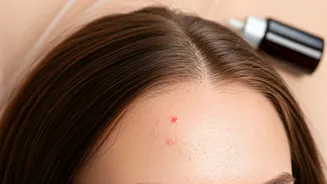
As temperatures rise, skin often responds with increased oil production and sweat, leading to clogged pores. This initial stage of acne typically manifests
as non-inflammatory blemishes like whiteheads and blackheads, often appearing on areas like the forehead and nose. Addressing these early signs involves a consistent cleansing routine, ideally with a product containing salicylic acid, to gently exfoliate and keep pores clear. It's also advisable to avoid rich, heavy moisturizing creams that can exacerbate pore congestion. If these mild forms progress to slight redness and tenderness, it suggests the skin's protective barrier might be compromised. In such instances, incorporating skincare ingredients like niacinamide, known for its anti-inflammatory properties, alongside targeted spot treatments with benzoyl peroxide can be beneficial. These measures aim to calm irritation and combat the early development of inflammatory acne.
Recognizing Severe Acne
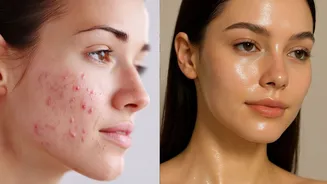
When acne escalates beyond simple blackheads and whiteheads, it can develop into a more severe and painful condition. This advanced stage is characterized by the appearance of inflamed, deep-seated cysts and nodules, often found along the jawline and chin. These lesions are not only uncomfortable but also pose a significant risk of leaving behind permanent textural changes and hyperpigmentation, commonly known as acne scars. The presence of such severe inflammatory acne indicates that the condition requires expert medical intervention. Dermatologists are equipped to diagnose and treat these more aggressive forms of acne, which can sometimes stem from deeper underlying issues. Treatment plans typically involve a combination of potent prescription topical medications, oral antibiotics to reduce inflammation and bacteria, chemical peels to improve skin texture and reduce scarring, and potentially hormonal assessments to identify and address any imbalances contributing to the severe breakouts.
Addressing Hormonal Acne
Certain patterns of acne are strongly linked to internal bodily changes, particularly hormonal fluctuations. Breakouts that consistently appear around menstrual cycles, persistent adult acne that recurs despite topical treatments, or deep cystic acne concentrated on the chin and jawline often signal an underlying hormonal influence. Factors such as Polycystic Ovary Syndrome (PCOS), disrupted sleep patterns, and elevated stress levels can contribute to these hormone-driven flare-ups. When confronted with these types of persistent and cyclical acne, consulting a dermatologist is essential. They can perform targeted hormonal tests to pinpoint specific imbalances. Treatment strategies will then focus on managing these internal factors through comprehensive approaches, which may include significant lifestyle adjustments, the prescription of oral medications to regulate hormones, and the use of potent topical or oral retinoids, which are highly effective in treating acne and improving skin cell turnover.