






Introvert or Extrovert?
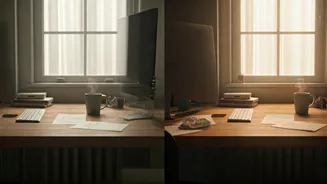
The shift to working from home can dramatically highlight whether your partner is a natural extrovert or someone who thrives on social interaction outside
the home. While some individuals find liberation in bypassing the daily commute and office small talk, experiencing increased productivity and well-being, others might feel a palpable lack of energy without the constant buzz of colleagues and the structured environment of a traditional workplace. This dynamic can reveal much about your partner's intrinsic emotional requirements and reveal aspects of their personality previously hidden beneath their professional persona, offering a fresh perspective on their social needs and comfort zones.
Stress Response Revealed
When the professional facade is removed by the WFH setup, you gain unprecedented insight into how your partner navigates pressure. Observe their reactions to tight deadlines or demanding projects. How do they communicate with you and their colleagues during these high-stakes moments? Do they attribute difficulties to external factors, or do they readily accept responsibility? Are they prone to becoming overwhelmed, or do they adopt a methodical approach to problem-solving? Understanding these stress responses can provide valuable foresight into their capacity to handle more significant life challenges, offering a clearer picture of their resilience and coping strategies.
Authenticity Unveiled
Most individuals present a distinct 'work persona' that may differ from their true selves, a curated version designed for professional environments. Working from home blurs these lines, prompting questions about the alignment between their professional and personal identities. Do their core values remain consistent across both spheres? It becomes evident if their behavior at home, perhaps emphasizing honesty, starkly contrasts with their actions in a work context. This shared WFH experience serves as a revealing opportunity to assess the congruence between these different facets of their personality, uncovering potential discrepancies or affirming a unified self.
Work Habit Dynamics
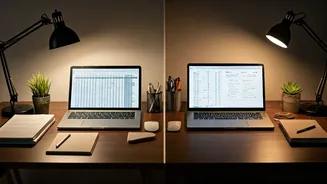
The shared workspace at home illuminates a partner's specific work habits, often in surprising detail. You might discover their true capacity for multitasking or their preference for a quiet environment versus a more stimulating one. A key revelation can be the decibel level they find conducive to concentration; this might align with yours or reveal a stark contrast. Beyond general noise tolerance, you may become acutely aware of minor auditory elements, such as keyboard tapping, phone call volumes, or the frequency of sighs, which could either be ignored or lead them to seek out earplugs, thus highlighting their specific sensory sensitivities during work.
Moments of Vulnerability
Remote work presents opportunities to witness genuine moments of vulnerability in your partner, away from the pressure to always project strength. You will see how they handle setbacks like unsuccessful presentations or periods of self-doubt, particularly during virtual meetings where they might feel less visible. Observing their reaction to these moments – whether they acknowledge their feelings or dismiss them – offers deep insight. Furthermore, understanding how they interact with others during these times of perceived weakness can significantly deepen your understanding of their emotional maturity and interpersonal dynamics.