




A Century of Scenic Journey
This year, the legendary Road to Hāna in Maui commemorates its centennial anniversary, marking 100 years since its official completion in 1926. What began
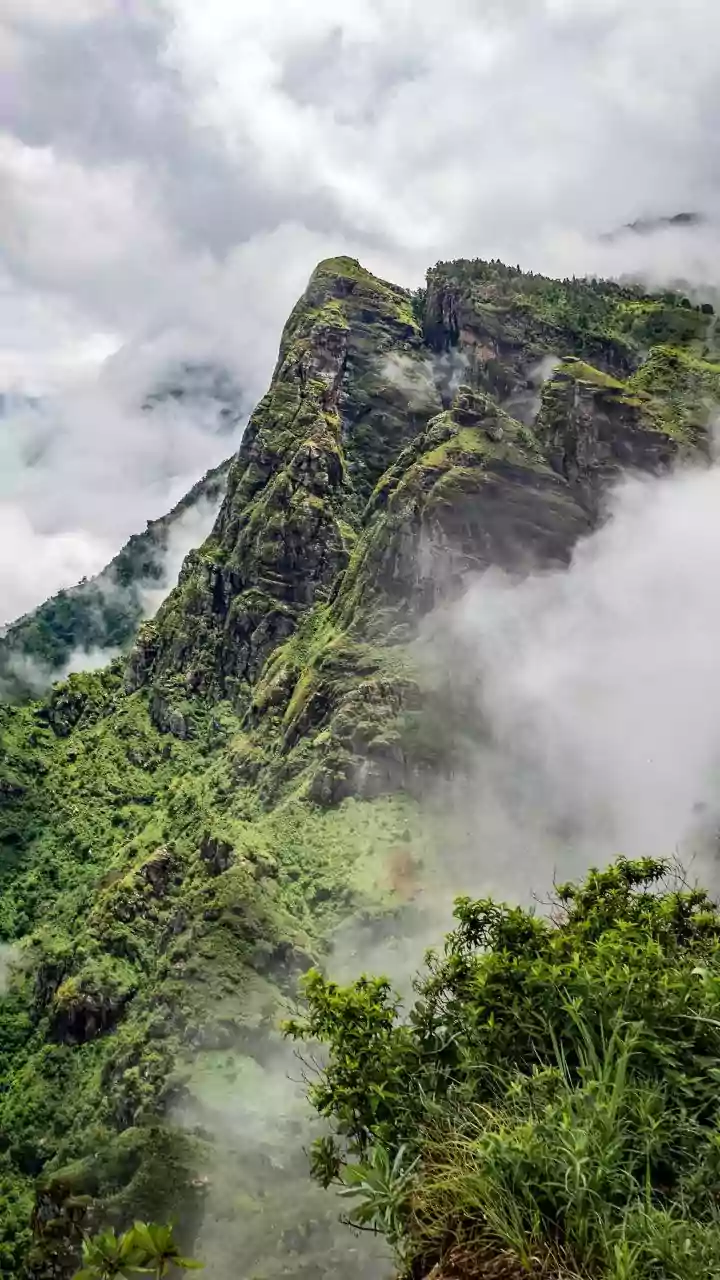
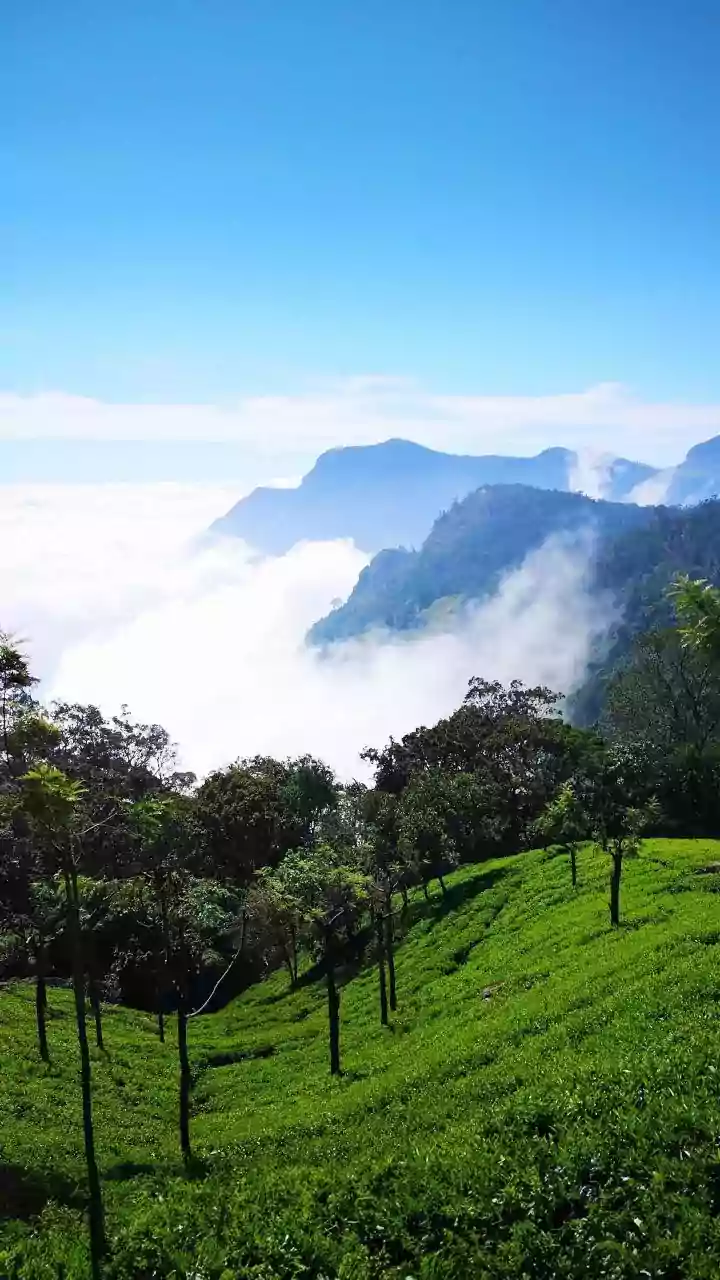
as ancient Hawaiian footpaths through lush terrains and along sea cliffs evolved over centuries into a vital artery for East Maui's communities. Initially shaped into a lava-stone path known as the Ala-loa by Maui's ruler Piʻilani in the 16th century, and later extended by his son, the route saw significant transformation in the late 19th century. Extensive irrigation projects for sugar fields necessitated the construction of a wagon road, involving massive engineering feats to build bridges over deep ravines. The highway officially opened to automobiles in 1926, a monumental effort achieved through the hard labor of prisoners, native Hawaiians, and immigrant workers. This road, whose Hawaiian name translates to 'rainy land, low-lying sky,' was added to the National Register of Historic Places in 2001 and remains one of Maui's premier travel experiences, attracting visitors with its unparalleled natural beauty and challenging, winding path.
Essential Stops Along the Way
The journey on the Road to Hāna, beginning in Paʻia on Maui's North Shore, offers numerous compelling points of interest. Paʻia itself is a charming town perfect for stocking up on provisions before embarking on the drive; consider visiting a local grocery store the night before. Just a short distance from Paʻia, Hoʻokipa Beach provides a fantastic spot to observe surfers and is a potential nesting ground for Hawaiian green sea turtles. As you proceed, Twin Falls at Mile Marker 2 presents the first opportunity for a refreshing swim, with easy to moderate hikes leading to several waterfalls. For stunning coastal vistas, a brief detour to the Keʻanae Peninsula is highly recommended, where you can sample delicious banana bread from local vendors. Waiʻānapanapa State Park is a highlight, famous for its striking black sand beaches, sea arches, and blowholes, accessible via a scenic coastal trail and requiring advance reservations. Approaching Hāna Town, Nahiku Marketplace offers a chance to taste authentic local cuisine like huli huli chicken and find unique souvenirs. Further along, the Pīpīwai Trail at ʻOheʻo Gulch, often called the Seven Sacred Pools, leads through a bamboo forest to the majestic Waimoku Falls, presenting one of East Maui's most beautiful hikes.
Welcome to Hāna Town
Hāna Town offers a stark contrast to Maui's bustling resort areas, presenting a more serene and authentic experience. As you arrive, consider stopping at a local establishment for oven-baked pizza and browse their gift shop for local crafts and pikake oil. For accommodation, a family-friendly hotel provides ocean-facing bungalows, a pool, and an on-site restaurant, serving local favorites like loco moco for breakfast. The heart of Hāna is dotted with excellent local food trucks, offering diverse culinary options from Thai-fusion to fresh juices and smoothies. A local bakery also serves freshly brewed coffee. For daily necessities, a general store is available, while eco-friendly boutiques offer unique shopping opportunities. Hāna encourages a slower pace, allowing visitors to truly immerse themselves in the local culture and natural surroundings.
Pre-Drive Essentials
To ensure a smooth and enjoyable experience on the Road to Hāna, thorough preparation is key. Starting your journey early in the day is advisable to maximize daylight hours and avoid peak crowds, though staying overnight in Hāna Town allows for a more relaxed pace and ample time at each stop. Downloading an audio tour can provide valuable historical context and information about the various points of interest along the route. Always check for any road closures or detours before setting out. It is highly recommended to pack a cooler with plenty of snacks and water, as well as motion sickness medication if needed, given the road's winding nature. While there are many food and drink stops, having your own provisions can be convenient. Bringing sufficient cash is essential for roadside stands, food trucks, and local purchases, as credit card acceptance can be limited. If renting a vehicle, especially a Jeep or convertible, reserve it well in advance. Ensure your phone is fully charged and has downloaded maps, music, and podcasts, as cell service and Wi-Fi are unreliable along the highway. Planning ahead will significantly enhance your journey through this iconic Hawaiian landscape.