





A Web of Metro Lines
Mumbai is dramatically enhancing its public transportation system by investing approximately Rs 6,000 crore in a comprehensive metro network. This ambitious
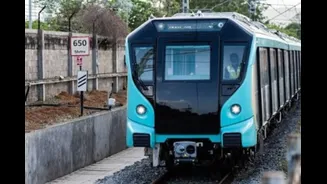
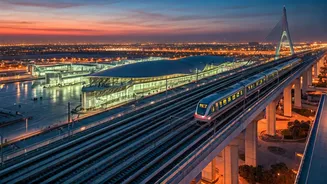
project introduces 16 new metro lines spanning 337 km, designed to alleviate the severe overcrowding experienced on the city's traditional north-south train routes. Key lines like the fully underground Aqua Line (Line 3) are crucial for connecting business districts such as BKC and SEEPZ directly to South Mumbai, bypassing the notorious Western Express Highway congestion. Concurrently, the Green Line (Line 4) significantly improves connectivity for the eastern suburbs, linking Wadala to Kasarvadavali. Ongoing expansions of lines like 2B and 9 further solidify this network, empowering residents to navigate the city efficiently without relying on personal vehicles or auto-rickshaws, marking a significant step towards a more accessible urban environment.
Navi Mumbai Airport's Arrival
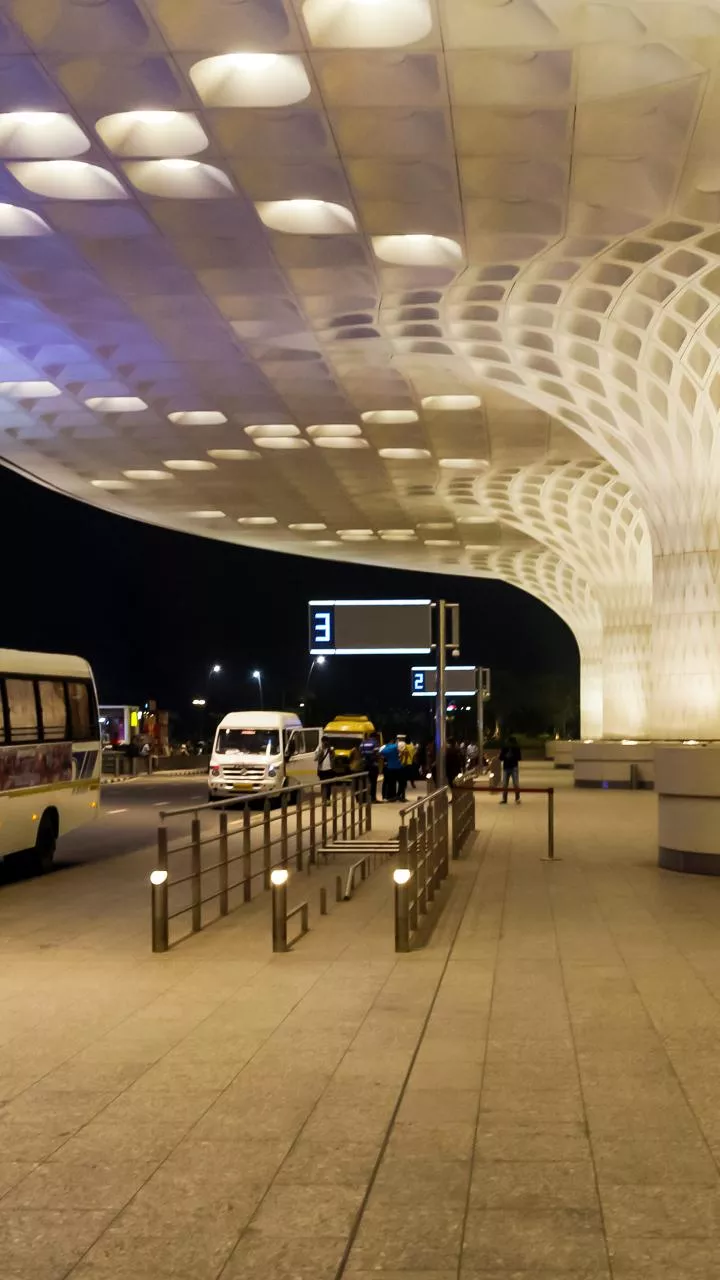
The Navi Mumbai International Airport (NMIA) represents a pivotal infrastructure advancement for the Mumbai Metropolitan Region. With domestic operations already commenced and international flights slated to begin in May 2026, this new airport is designed to handle an eventual capacity of 90 million passengers annually. It is strategically designed to relieve pressure on the existing Chhatrapati Shivaji Maharaj International Airport (CSMIA) and will serve as a vital catalyst for development in the Raigad district. Enhanced connectivity, particularly through direct links via the Atal Setu and the Gold Line Metro, will transform the area into a burgeoning hub for hotels, technology parks, and logistics centers, signifying a major expansion of the region's economic and logistical capabilities.
Atal Setu's Impact
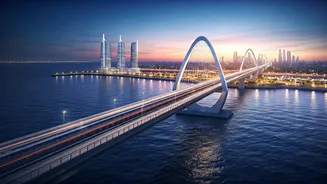
The Atal Setu, officially the Mumbai Trans Harbour Sea Link (MTHL), has dramatically reduced travel times between South Mumbai and Navi Mumbai. Previously, a journey from Sewri to the mainland could take considerable time, but the Atal Setu makes this trip achievable in approximately 20 minutes. This six-lane, high-speed corridor, despite its Rs 250 toll, has fundamentally altered the city's connectivity and spatial dynamics. By bridging the sea, it has opened up vast tracts of land for much-needed development, effectively bringing the mainland closer to the city's core and significantly improving the logistical flow and accessibility across the region.
Real Estate Renaissance
The confluence of these massive infrastructure projects—the extensive metro network, the new international airport, and the Atal Setu—is profoundly influencing Mumbai's real estate market. The improved connectivity and reduced commute times are driving a surge in property demand, particularly in Navi Mumbai. Areas like Ulwe and Panvel have already witnessed significant price appreciation, with nearly a 30% increase attributed to the operational status of the airport and the Atal Setu. Furthermore, the expanded metro lines are making suburbs like Thane increasingly attractive to families seeking better amenities at more accessible price points compared to South Mumbai, signaling a widespread redistribution of residential interest and investment across the metropolitan region.