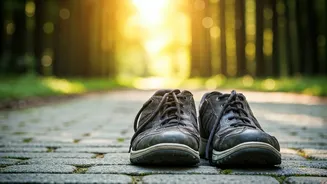

Why Walk?
Walking is a simple yet powerful exercise that brings a multitude of benefits, particularly for senior citizens. It's gentle on the joints, reducing the risk
of injuries, making it accessible for a wide range of individuals, including those with pre-existing health conditions. Daily walks contribute significantly to cardiovascular health, helping to regulate blood pressure and improve circulation. Regular walking can help to maintain a healthy weight and boost metabolism. Furthermore, it plays a vital role in maintaining muscle strength and bone density, which is crucial for preventing falls and maintaining mobility as one ages. Walking also provides mental health advantages, such as reducing stress, and improving mood. It also provides opportunities for social interaction, which can combat loneliness and foster a sense of community.
Daily Walking Targets
The ideal amount of walking for seniors can vary. It largely depends on individual health status, physical fitness levels, and personal goals. However, a general guideline suggests aiming for at least 30 minutes of moderate-intensity walking most days of the week. This can be broken down into shorter sessions throughout the day if continuous walking proves challenging. The key is consistency; even short walks can provide noticeable benefits. For those new to walking, it's wise to start slowly. Commence with a short, comfortable walk and gradually increase the duration and intensity as fitness improves. Always listen to your body and rest when necessary. If one experiences any chest pain, shortness of breath, or dizziness, they should consult with a healthcare professional before continuing.
Age and Health Factors
The walking goals must be adjusted based on both age and existing health conditions. For those with chronic ailments like arthritis or heart problems, it's vital to consult with a doctor to create a safe exercise plan. People in their 60s and 70s may find that a brisk 30-minute walk provides sufficient exercise. Those in their 80s or beyond might prefer shorter walks, focusing on frequency rather than duration. Individuals with specific health issues, such as osteoporosis, may need to modify their walking routine to avoid falls. This could involve using a walking stick, selecting flatter surfaces, or avoiding uneven terrain. Regular check-ups with a healthcare provider can help monitor progress and adjust the walking plan as needed, ensuring it remains safe and effective for the individual's evolving needs.
Safety First
Prioritizing safety is paramount when walking, especially for senior citizens. Selecting the proper footwear is essential; shoes must provide good support and cushioning to minimize foot pain and potential injuries. Choose well-lit and well-maintained walking paths. Try to avoid uneven surfaces, which can increase the risk of falls. Wear clothing that is comfortable and appropriate for the weather. On hot days, consider walking during cooler hours, carrying water to stay hydrated, and wearing a hat to protect yourself from the sun. Always be mindful of traffic and other pedestrians, and walk on sidewalks or designated paths when possible. If vision or balance is an issue, consider walking with a companion or using a walking aid, such as a cane or walker. Informing a family member or friend about your walking route can provide an extra layer of safety.
Sustainable Walking Habits
To make walking a sustainable part of your lifestyle, focus on making it enjoyable. Select routes that offer visual interest, like parks, nature trails, or scenic neighborhoods. Recruit a walking buddy to make the experience more social and to provide encouragement. Set realistic goals and reward yourself for achieving milestones, be it a new piece of walking gear or a healthy meal. Vary the walking routes to keep things fresh and interesting. Track your progress with a pedometer or fitness tracker to stay motivated and monitor improvements. Embrace walking as a daily ritual rather than a chore; perhaps listen to music, podcasts, or audiobooks while walking. By integrating these strategies, seniors can build a long-lasting walking habit that supports their health and well-being.