

Cherished Family Heirlooms
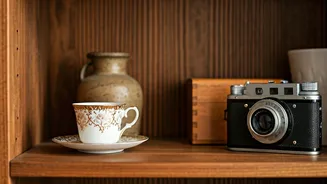
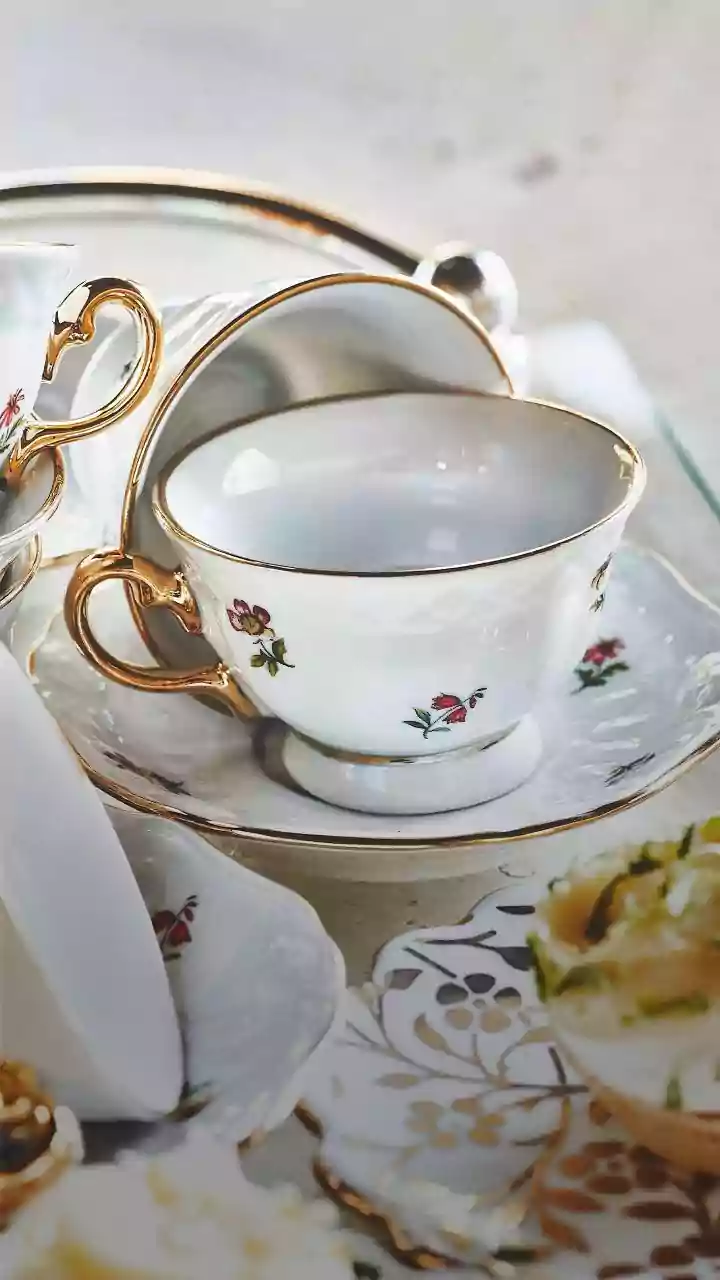
When embarking on a decluttering journey, the urge to immediately donate is strong. However, sentimental treasures like wedding mementos, fine china, or
cherished artwork, often referred to as family heirlooms, require a more thoughtful approach. Professional organizer D'Nai Walker suggests reaching out to relatives before discarding these items. There's a good chance another family member might hold special memories associated with a piece you no longer desire. This consultation ensures heirlooms find a loving home within the family before you consider other options. While you aren't obligated to keep items indefinitely, exploring familial interest first is a crucial step for these emotionally significant possessions.
Valuable Potential Collectibles
During a thorough decluttering process, you might unearth items that hold significant monetary value, such as vintage jewelry, rare trading cards, or special edition books. Instead of placing these in a general donation box, experts advise seeking their true worth. Organizations recommend taking potential collectibles to consignment shops, listing them on resale platforms, or safeguarding them to appreciate over time. As Walker points out, many vintage and rare items can be quite valuable and warrant an appraisal before being donated. You might be sitting on a hidden treasure that could provide a considerable return if handled correctly, rather than being passed on without realizing its potential.
Incomplete or Broken Goods
When clearing out spaces like kitchens or playrooms, items that are broken or part of an incomplete set are often candidates for donation. However, decluttering expert Michelle Urban strongly discourages this practice. While the intention to be generous is commendable, donating board games with missing pieces or appliances with defects burdens donation centers. Urban emphasizes that items should be clean, complete, and in working order to be accepted. A simple yet effective guideline is: if you wouldn't offer it as a gift to a friend, it's not suitable for donation. This ensures that donated items are truly useful to recipients and not a source of frustration.
Damaged or Stained Apparel
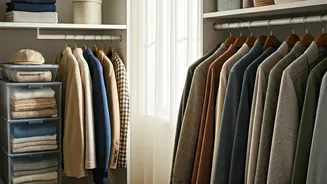
For closets brimming with clothing, identifying items to discard is often straightforward – anything ripped, stained, or excessively worn out. However, organizers stress that apparel no longer fit for your own wear is also unsuitable for donation. D'Nai Walker explains that while people may feel guilty about landfill waste and hope their damaged clothes can be useful, thrift centers are likely to discard them anyway. Therefore, items in such poor condition should be taken to a household waste disposal center instead of a donation bin, conserving resources and avoiding unnecessary transport and sorting.
Specialty Hobby Materials
Most charitable donation centers typically seek common items like clothing, books, and general household goods. Supplies and equipment for specific sports, camping, or niche creative pursuits, even in excellent condition, may not be accepted due to limited demand. Michelle Urban highlights the importance of checking what local donation centers can realistically handle before making a trip. For more specialized items, such as partially used art supplies or electronics intended for tinkering, she suggests alternative avenues like local "Buy Nothing" groups. These community-based platforms are often more effective for rehoming less common hobby-related materials.
Confidential Personal Data
Before parting with any office supplies, notebooks, or bags, it's imperative to meticulously check for any sensitive personal information. According to Urban, items containing your full name, date of birth, or address demand careful disposal. This includes documents like old medical records, checkbooks, tax forms, prescription bottles, and even luggage tags bearing your address. Such items should be securely destroyed, typically by shredding, rather than simply dropped into a donation receptacle. Protecting your privacy is paramount when decluttering these sensitive materials.