




The Luxury of Time
In today's fast-paced world, a significant change is underway in how people approach travel within India. The traditional markers of luxury, like staying
in high-end hotels or constantly moving between cities, are being replaced by a new appreciation for time itself. This emerging trend, known as slow travel, encourages a deliberate exploration of destinations rather than a hurried dash through a list of sights. It’s about choosing to truly engage with a place, understanding its unique culture, connecting with its inhabitants, savoring its cuisine, and absorbing its daily cadence. As experts note, the true measure of luxury now lies not in the quantity of destinations visited, but in the quality and depth of the experiences gained, leading travellers to return with richer stories and perspectives rather than just a collection of photographs.
Experiencing Places Deeper
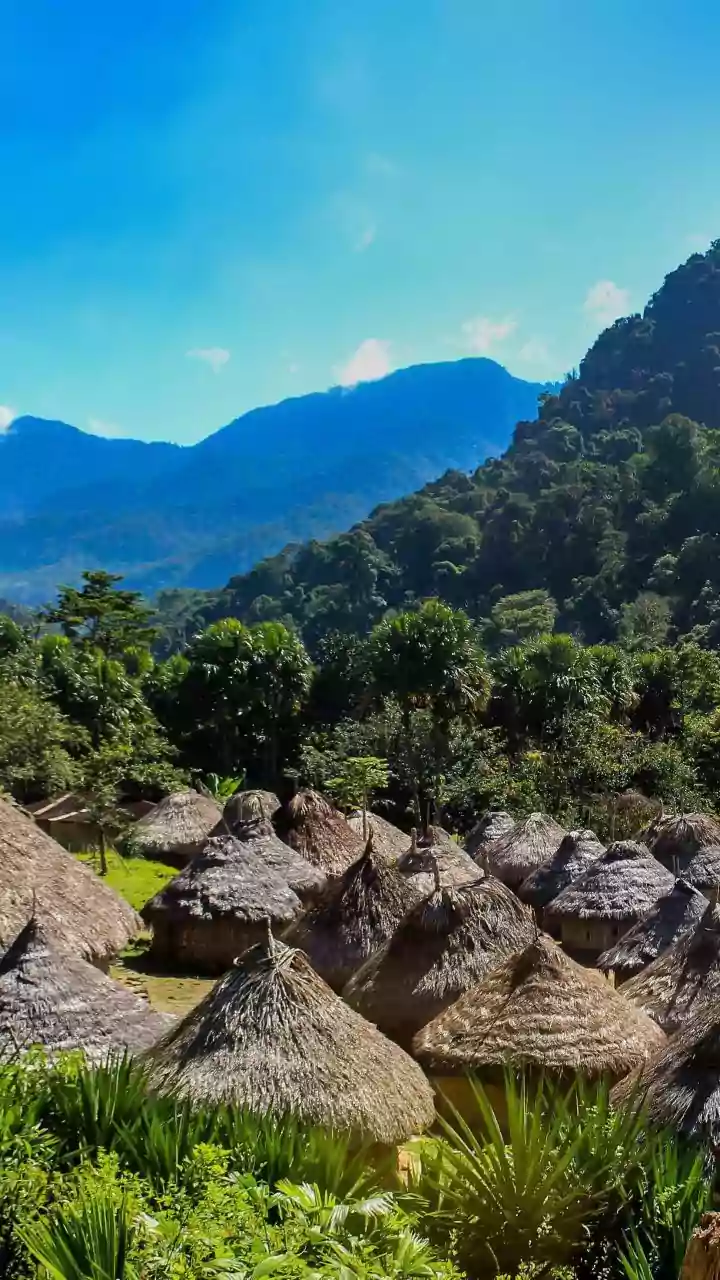
This shift towards slower travel is profoundly altering the way destinations are explored. Consider Jawai, where visitors are moving beyond a quick glimpse of wildlife to actively engaging with the local Rabari community, seeking to understand their traditional way of life. Similarly, in the ancient city of Varanasi, the focus is moving away from a rushed temple tour towards leisurely strolls through its historic alleys, discovering the nuances of its food culture and traditional crafts, and observing the authentic daily rhythms of its residents. This approach emphasizes that genuine luxury is found in experiences that cultivate authentic connections and broaden one's understanding. Slow travel facilitates this by allowing individuals to truly absorb the essence of a location, fostering a sense of belonging and providing profound personal insights.
Ladakh's Rhythmic Past
The transformative power of slow travel is perhaps most vividly illustrated in Ladakh, a region historically synonymous with this mindful way of exploring. For those who grew up there, travel was always a slow, immersive process. Visitors historically arrived for extended periods, not for a few days, choosing to 'stay with' Ladakh rather than simply 'see' it. This unhurried rhythm involved spending ample time by serene brooks, losing track of hours in quiet cafes, or embarking on multi-week treks through the majestic mountains. Even sightseeing was approached with intentionality, focusing on deeply experiencing one monastery per day. This deliberate pace, however, saw a decline with the rise of itinerary-driven tourism in the late 2000s, leading to rapid travel across multiple locations without true engagement.
Rediscovering Presence
Despite the prevalence of hurried travel, a noticeable resurgence of the slow travel ethos is occurring. A new generation of travellers is emerging, prioritizing stillness and meaningful interactions over sheer mileage. In Ladakh, this translates to early mornings spent in quiet contemplation amidst the mountains, rather than chasing sunrise viewpoints. It means entering monasteries with an intention to listen and learn, not just to observe. It also involves engaging with local culinary practices using regional ingredients, moving away from chasing popular, trend-driven locations. This renewed understanding highlights that time is the ultimate luxury because it enables presence, which is where life is truly experienced and appreciated.
Transforming the Travel Scene
This evolving mindset is not only reshaping individual travel experiences but also influencing the broader tourism industry. Hospitality providers are increasingly designing offerings that cater to immersion, encouraging longer stays, fostering community engagement, and creating serene environments that promote a disconnection from both digital distractions and the usual hustle. At its heart, slow travel isn't about reducing activity; it's about intensifying the experience by choosing to linger, observe closely, and forge genuine connections. In an era where life often moves at breakneck speed, the capacity to pause and be present might just be the most profound luxury available.