



The Digestive Process
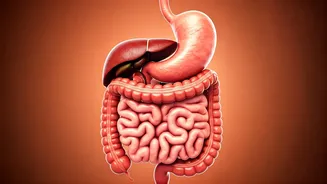
The human body is an amazing machine, and the process of digestion is a testament to its efficiency. When you eat, your digestive system kicks into gear,
working hard to break down food into usable nutrients. Enzymes and acids play critical roles in this intricate dance. It begins in the mouth, moves down the esophagus, and into the stomach, where food gets mixed with gastric juices. The stomach churns, breaking down the food even further. Next, the partially digested food makes its way to the small intestine, where the majority of nutrient absorption takes place. Eventually, the remaining waste is passed into the large intestine, preparing for elimination. Proper posture and movement, during and after meals, aids in this entire process.
Impact of Sitting Down
Sitting down right after a meal can hinder the efficient function of this finely tuned system. When you sit, your body's focus shifts, and the digestive organs may not work as effectively. Blood flow is essential for nutrient absorption and proper digestion. Sitting can limit this essential flow. Imagine a congested road—that is essentially what's happening internally when you sit down immediately after eating. The body's ability to process food slows down, potentially leading to discomfort, bloating, and other digestive issues. In the long run, this may have a negative effect on your health.
Why You Should Avoid It
The advice to avoid sitting immediately after eating stems from a desire to optimize digestive health. By staying upright or taking a gentle stroll, you’re allowing gravity to assist digestion, making the processes run more smoothly. This helps with nutrient absorption and minimizes the chance of bloating, gas, or other issues. Staying active after a meal also encourages faster stomach emptying. Furthermore, staying active after meals can help to regulate blood sugar levels. A simple walk can help reduce the post-meal spike in blood sugar, promoting overall metabolic health.
Simple Alternatives
Fortunately, implementing healthy practices post-meal is straightforward. Instead of immediately sitting, try standing for a bit. This simple posture allows your digestive system to work unimpeded. Taking a short, leisurely walk after you've finished eating is an even better approach. Light exercise encourages digestion and helps maintain good blood sugar. Alternatively, doing some light household chores can keep you moving. Regardless of the strategy selected, the goal is the same: to avoid prolonged sitting immediately after eating. Such practices contribute to improved digestion and general well-being.
Long-Term Benefits
The advantages of implementing healthy habits such as the avoidance of sitting immediately after eating are far-reaching. Consistent attention to these practices might lessen gastrointestinal discomforts, boost energy levels, and promote a healthier digestive process overall. Regular physical activity, coupled with good eating habits, can contribute to managing blood sugar levels, reducing the risk of developing diabetes and other related health issues. Developing a routine to support healthy digestion promotes a positive approach to eating. This can, in turn, enhance your relationship with food. The cumulative impact of these small adjustments can significantly influence your physical and emotional well-being.