






Design for Human Experience
The perception of interior design has evolved from a purely visual pursuit to a powerful tool for influencing how individuals feel, think, and perform.
Traditionally, the emphasis was on aesthetics and personal style. However, there's a noticeable and growing trend where interior spaces are intentionally crafted to support mental and emotional health, as well as enhance productivity. This paradigm shift is evident across various settings, from private residences to professional environments. As Rohana Sarah, Founder and CEO of Green World Design, points out, designing for wellbeing is no longer an optional addition but a fundamental aspect of creating spaces that positively impact the user experience. This approach recognizes that our surroundings play a crucial role in our daily lives, shaping our mood, focus, and overall quality of life. The core idea is to move beyond superficial beauty and focus on creating environments that actively nurture and support the people within them.
Homes That Nurture Wellbeing
In residential design, homeowners are increasingly prioritizing spaces that contribute to a healthier lifestyle, moving beyond mere layout and location. There's a distinct demand for homes that incorporate features promoting natural ventilation, ample daylight, and proximity to green spaces. This translates into popular design elements like cross-ventilated layouts, shaded terraces, verdant balconies, and internal courtyards. These are not just decorative features but functional components that actively improve indoor comfort and air quality. Kritika Goswamy Malik, Founder of House of December, highlights that such design choices have a direct and positive impact on mental health. By facilitating better airflow and reducing heat, these spaces create environments conducive to lowering stress, elevating mood, and enhancing concentration, while also offering peaceful retreats for relaxation and recovery. The focus is on creating homes that function as sanctuaries, promoting a sense of calm and rejuvenation.
Personal Space, Personal Impact
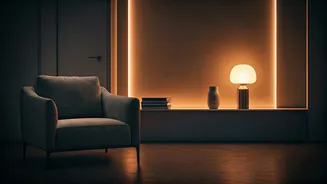
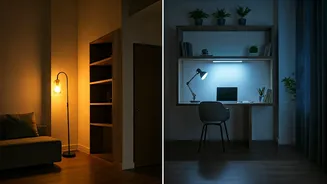
The personalization of interior spaces is becoming increasingly significant, especially within homes, where design decisions are closely tied to emotional and physical comfort. Kritika Goswamy Malik emphasizes that even minor, well-considered design choices can profoundly alter an individual's experience of their surroundings. Natural light emerges as a paramount element, acting as a significant mood enhancer. Ensuring that every room receives adequate daylight and that light flows unimpeded throughout the space can make a remarkable difference in fostering a positive atmosphere. Equally crucial is the organization of a space; cluttered environments can induce visual stress and mental fatigue. Conversely, well-planned storage and uncluttered layouts cultivate a sense of clarity and tranquility. Malik explains that organized spaces reduce anxiety and distractions by providing a designated place for everything, thereby promoting mental clarity and peace.
Functionality for Inner Harmony
Beyond aesthetics and light, interior design is increasingly being utilized to create spaces that cater to specific emotional and functional needs, thereby boosting inner happiness and stability. The integration of dedicated areas for relaxation, meditation, or journaling is becoming a common feature in contemporary homes. Kritika Goswamy Malik suggests that these functional zones are vital for supporting emotional balance and mental clarity, contributing to a greater sense of focus and productivity. Furthermore, the choice of materials and color palettes plays a pivotal role in fostering a sense of grounding and tranquility. There is a growing preference for earthy tones such as warm browns, beiges, and terracotta, which are believed to promote balance. Similarly, the use of natural materials like wood, linen, and clay helps create an organic and comforting environment that supports both personal wellbeing and work efficiency.
Productivity Through Nature
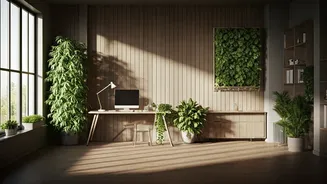
The principles of wellness-focused design are also making a significant impact in professional settings, where the benefits can often be quantified. Rohana Sarah notes that incorporating elements like natural light, greenery, and nature-integrated spaces in workplaces can effectively reduce employee fatigue, sharpen cognitive abilities, and enhance overall mental wellbeing. Organizations that embrace biophilic design—the practice of bringing natural elements into built environments—are reporting improvements in employee engagement and productivity levels. This growing demand reflects a broader shift in how people perceive and interact with their surroundings. Sustainability and biophilic principles are no longer considered optional extras but are becoming integral to the fundamental philosophy of design, underscoring a global desire for spaces that actively promote comfort, mental health, and human performance.