






The Hidden Danger
The allure of skipping makeup removal after a long day is undeniable, especially when exhaustion sets in. Mascara, in particular, often gets left behind
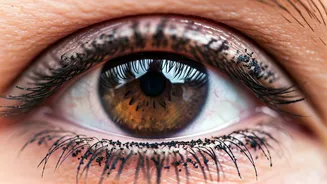
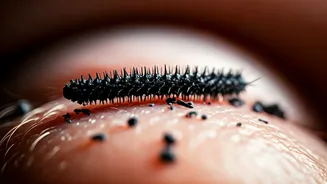
with the casual thought that it will either flake off naturally or be washed away come morning. However, seasoned eye care professionals issue a stern warning: this seemingly insignificant habit can silently sow the seeds of irritation and lead to prolonged discomfort. Optometrist Dr. Jennifer Tsai shed light on this phenomenon in a recent Instagram reel, explaining that when you sleep with mascara still on, tiny, rolled-up particles of the pigment can settle beneath your conjunctiva and upper eyelid. Over time, these deposits don't just rest idly; they can form hard lumps or nodules. When you blink, these abrasive formations can then scrape against your cornea, causing irritation and a gritty sensation. This constant friction is often the culprit behind waking up with sore, red, or uncomfortable eyes, leaving individuals puzzled as to the cause.
Migration Under Lids
Ever wondered how those mascara particles manage to find their way beneath your eyelids? Dr. Devaprasad G, a senior consultant at M.C.Modi Eye Hospital in Bangalore, explains that once mascara is left on overnight, it gradually dries out, flakes, and then disintegrates into microscopic fragments. During sleep, these tiny bits can migrate underneath the eyelids through natural eye movements like blinking, rubbing, or even the subtle rolling of the eyeballs. Once lodged under the lid, these particles tend to accumulate along the lash line or on the inner surface of the eyelid, precisely where the eye's oil-secreting glands are situated. While the eye possesses natural cleansing mechanisms, such as blinking and tear production, these systems are not equipped to effectively expel cosmetic debris. Instead, mascara particles often become entangled with tears and natural oils, forming sticky accumulations that adhere to the delicate tissues of the eye. With repeated use and inadequate removal, this residue can solidify, making it increasingly challenging for the eye's natural processes to clear it away.
Warning Signs to Note
The initial indications that sleeping with mascara on might be harming your eyes are often so subtle that they are easily dismissed. Dr. Devaprasad advises that you might first notice a feeling akin to having a foreign object in your eye, accompanied by mild redness or intermittent watering. Itching along the lash line and a general discomfort when blinking, particularly upon waking, can also be early signs. As the irritation intensifies, more pronounced symptoms can emerge, including persistent redness, a burning sensation, increased light sensitivity, blurred vision, or excessive tearing. Furthermore, frequent styes, inflammation of the eyelids, or recurrent eye infections could also signal that lingering cosmetic residue is impacting the ocular surface. These warning signals are indicative of irritation to the cornea or conjunctiva and should not be disregarded.
Safe Removal Routine
Establishing an eye-safe makeup removal routine is paramount, according to Dr. Devaprasad. He emphasizes the use of a gentle makeup remover that has been tested by ophthalmologists and is free from alcohol, fragrances, and harsh preservatives. The recommended method involves applying the remover to a soft cotton pad, holding it against your closed eyes for a few moments to allow the mascara to soften and dissolve, and then gently wiping the area. It's crucial to avoid any harsh rubbing or pulling on the delicate eyelid skin. For individuals who apply mascara daily or have sensitive eyes, a thorough yet gentle cleaning of the lash line is essential each night, even if the makeup appears minimal. Rinsing with clean water and ensuring the eyes are completely free of makeup before slumber is critical. Consistent eyelid hygiene not only helps maintain a healthy tear film and prevents infections but also safeguards your long-term eye health.