
The Devil Wears Power
The cinematic portrayal of Miranda Priestly in 'The Devil Wears Prada' in 2006 offered a stark visual representation of professional authority through
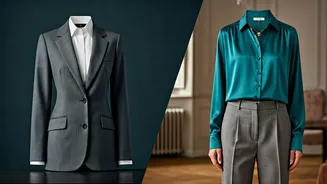
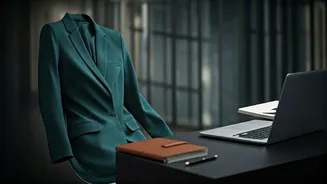
fashion. Her meticulously chosen ensembles, often featuring sharp, tailored outerwear in sophisticated neutral tones like camel and grey, punctuated with occasional rich hues such as burgundy or emerald, communicated an undeniable sense of editorial command and decisive leadership. Even in stillness, her clothing spoke volumes, projecting an aura of strategic thinking and an influential presence. This powerful non-verbal communication through attire has long been a significant element within professional settings, and its prominence is amplified in corporate environments where clothing can signify not only personal identity but also an individual's standing within the organizational hierarchy. The film effectively underscored for audiences, particularly in India, that corporate dressing is a strategic dialogue, a means for women to project a strong, executive persona. Fashion choices in this context are instrumental in shaping perceptions, fostering trust, and clearly articulating professional intentions, thereby influencing the dynamics of power and presence in the workplace.
India's Evolving Wardrobe
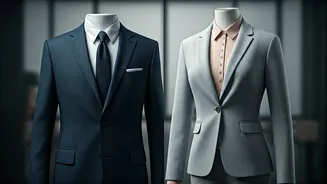
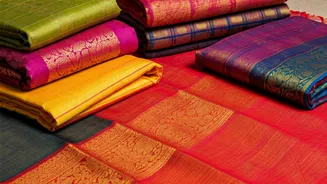
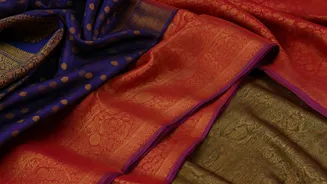
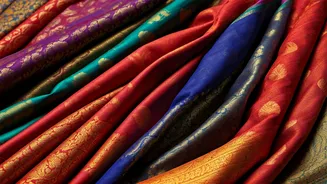
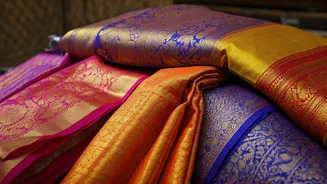
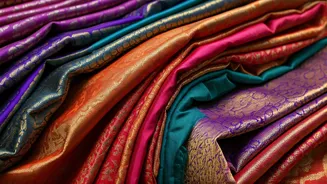
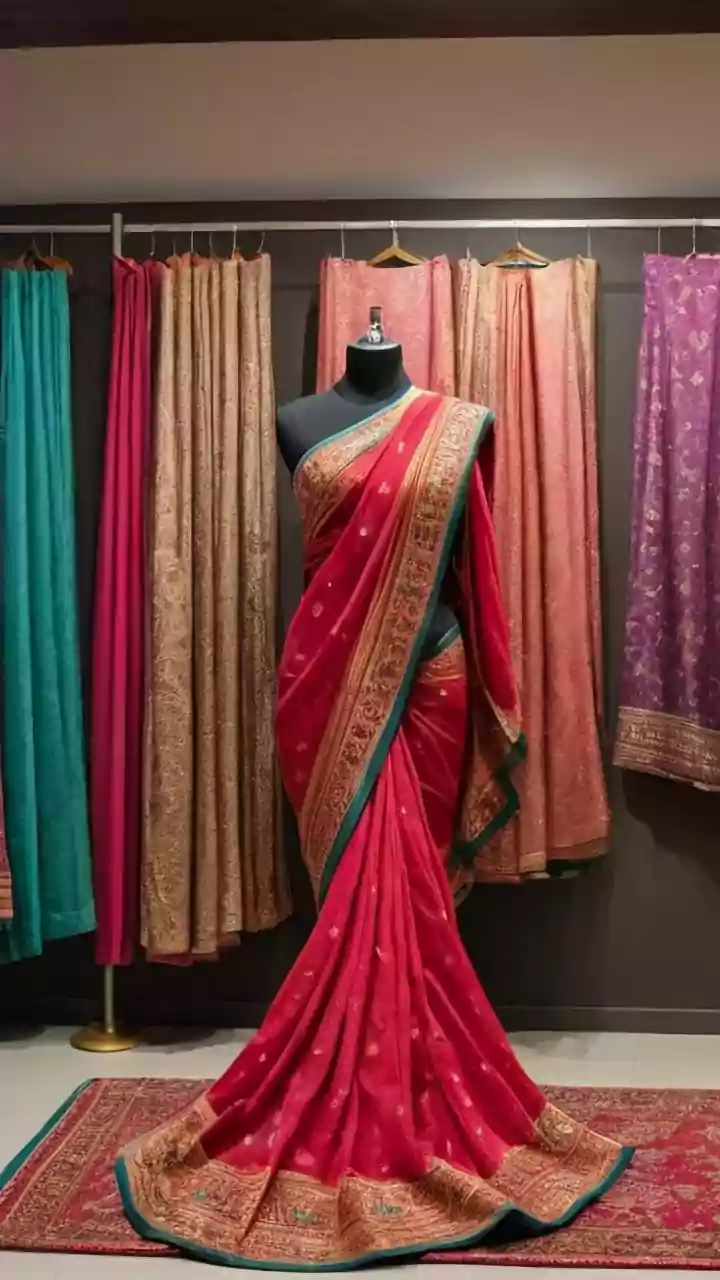
In the early 2000s, the concept of corporate dressing in India was still a nascent idea, with the fashion industry segment dedicated to it being underdeveloped. Professionals often found themselves navigating a middle ground, attempting to balance the traditional saree with Western-style suits. Western attire for women was primarily limited to either bespoke tailoring or readily available options from large format retailers. However, brands like AND began to gradually introduce the notion that workwear could be thoughtfully designed, standardized, and adopted with confidence by women entering the corporate sphere. While brands such as AND were instrumental in establishing the groundwork for Western workwear in India during the late 1990s, it was in the post-2010 period, with the emergence of labels like Van Heusen Woman, that the concept of 'power dressing' for the Indian corporate woman was truly formalized. The initial influence from 'The Devil Wears Prada' (2006) urged women to dress in a manner that conveyed authority and hierarchical positioning; however, the decade following 2010 witnessed a gradual evolution, with authority increasingly being defined through the lens of individual expression and personal branding.
Personal Branding Ascends
The period after 2010 marked a significant shift, where the expression of professional power began to pivot towards the clarity and impact of personal branding. The burgeoning culture of corporate coaching and training actively encouraged individuals to meticulously align their appearance with their specific roles, their intended audience, and the prevailing environment. The anticipation of 'The Devil Wears Prada 2,' scheduled for release on May 1, 2026, suggests an intent to continue this crucial conversation at the intersection of fashion and culture, reflecting the profound transformations in media, fashion, and power dynamics since the original film's debut. Miranda Priestly's character, in her initial depiction, embodied an unapologetic form of power, characterized by precision, control, and a visually articulate style. Based on available previews, her persona in the sequel is expected to remain consistent, potentially guiding a move toward a less label-centric and more refined, purposeful presentation that conveys gravitas and sound ethical judgment. Furthermore, this evolution might also champion the adoption of sustainable clothing choices, signaling a broader awareness within the industry.
Future of Workwear
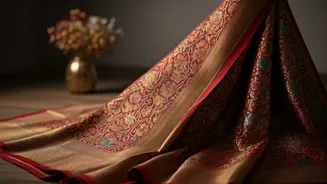
International trend forecasting services are highlighting significant shifts in professional attire. WGSN, a leading platform, anticipates the rise of 'city dressing,' a style that artfully bridges the gap between traditional office wear and understated luxury. Concurrently, Future Snoops, another prominent trend intelligence agency, points to the growing importance of adaptable and fluid wardrobes. These indicators suggest an impending transformation where workwear is likely to break free from rigid codes, evolving into a versatile system that effortlessly transitions between professional and personal spheres. The future may usher in an era of 'soft power dressing,' substituting strict formality with intentionality and individual flair. This shift could lead to an emphasis on subtle luxury and thoughtful styling choices, enabling individuals to project confidence without overt displays of dominance. Nevertheless, within the Indian context, the saree is poised to retain its significance as a powerful element of the corporate wardrobe, likely adapting in fabric, drape, and styling while continuing to express authority through its enduring cultural relevance and sustainable appeal. Consequently, the visual language of clothing will undoubtedly remain a vital component of the corporate dressing narrative, offering new insights into power dressing for the 2026-27 period.