



B - Budget Wisely
The initial step in the BESTT meal prep strategy revolves around smart budgeting. This involves a thorough assessment of your financial resources dedicated
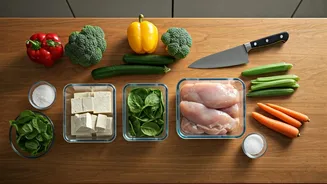
to food for the week or month. It's about more than just looking at price tags; it's a comprehensive plan that considers what you can realistically afford without compromising on nutritional value or taste. By setting a clear budget, you're less likely to overspend on impulse buys or ingredients that might go to waste. This phase encourages a detailed inventory of your pantry, fridge, and freezer to avoid purchasing duplicates and to strategically plan meals around items you already possess. Think about incorporating versatile staples that can be used in multiple dishes, thereby maximizing value. Furthermore, researching seasonal produce and bulk buying opportunities can significantly cut down costs while ensuring freshness. Establishing this financial foundation sets the stage for the entire meal prep process, making it both sustainable and economical for consistent application.
E - Establish a Plan
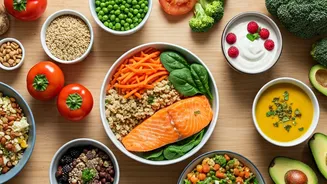
Following the financial groundwork, the 'E' in BESTT emphasizes the critical importance of establishing a well-defined meal plan. This is where you translate your budget and ingredient availability into a tangible schedule of meals. Begin by deciding on the number of meals you need to prepare – breakfast, lunch, dinner, and snacks. Then, identify recipes that align with your dietary preferences, nutritional goals, and the ingredients you've decided to purchase or already have. It's highly beneficial to create a weekly menu that offers variety to prevent boredom, while also utilizing ingredients efficiently across different meals. Consider your weekly schedule; busy days might call for simpler, quicker meals or leftovers, while days with more free time can accommodate more elaborate preparations. Documenting this plan in a clear, accessible format, such as a spreadsheet or a physical planner, serves as a constant guide. This structured approach minimizes decision fatigue during the week and ensures you have a roadmap to follow, making the entire process much smoother and more efficient.
S - Shop Smartly
With your budget set and your meal plan meticulously laid out, the 'S' of the BESTT method guides you to shop smartly. This phase is about executing your plan with precision and efficiency at the grocery store or market. Armed with your detailed meal plan and a specific shopping list derived from it, you can navigate the aisles with purpose. The key here is to stick strictly to your list, avoiding the temptation of impulse purchases that can derail your budget and your plan. Before heading out, it's a good practice to double-check your pantry and refrigerator one last time to ensure you haven't forgotten anything or are not buying items you already own. When at the store, prioritize purchasing fresh produce that is in season, as it's typically more affordable and flavorful. Consider buying in bulk for non-perishable items or those you use frequently, provided you have adequate storage space. Reading labels to compare prices and nutritional information can also lead to smarter choices. Efficient shopping means getting everything you need in one trip, saving time and energy for the actual preparation.
T - Time to Prep
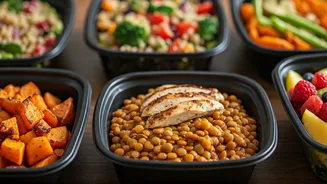
The final, and perhaps most crucial, stage of the BESTT method is 'T' – dedicating specific time to prepare your meals. This isn't just about cooking; it's a strategic block of time set aside for assembling, chopping, cooking, and portioning your food for the upcoming days. Designate a particular day or a few hours each week for this task, perhaps a weekend afternoon when you have fewer distractions. Gather all your ingredients, pre-portioned according to your recipes. This might involve washing and chopping vegetables, cooking grains, preparing protein sources, and even assembling complete meals into individual containers. The goal is to have ready-to-eat or easily reheatable meals at your disposal throughout the week. Invest in good quality food storage containers, as they are essential for keeping your prepared meals fresh and organized. Batch cooking, where you prepare large quantities of a single component like rice or roasted vegetables, can save significant time. By dedicating this focused time, you create a substantial buffer against the daily demands of cooking, ensuring that healthy eating remains a convenient and accessible part of your routine.
T - Taste and Test
The second 'T' in the BESTT method emphasizes the ongoing process of tasting and testing your meal prep creations. Once your meals are prepared and stored, it's essential to periodically evaluate them. This involves not only assessing the flavor profile and texture after a few days in storage but also considering how well the meals fit into your daily life. Did they hold up well? Are they still appealing? This feedback loop is vital for refining your meal prep strategy over time. Don't hesitate to make notes about what worked and what could be improved. Perhaps a particular dish lost its crunch, or a recipe was too time-consuming to prep. This testing phase allows you to identify areas for adjustment in your future planning, shopping, and preparation. It’s about learning what types of meals and ingredients best suit your palate and lifestyle when prepared in advance. This iterative approach ensures that your meal prep system evolves and becomes more effective and enjoyable with each passing week, leading to sustained success in maintaining healthy eating habits.