




Starship's Grand Debut
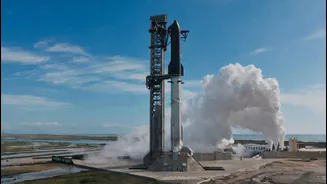
SpaceX, the innovative aerospace company founded by Elon Musk in 2022, is poised for a monumental test flight of its Starship rocket on May 20. This launch
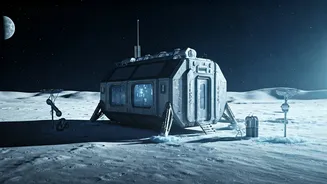
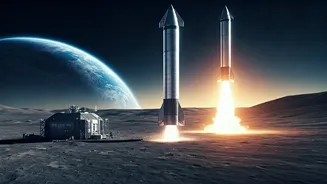
marks the 12th endeavor for the world's largest rocket since April 2023 and represents the first significant flight test since October 2025. Currently situated at SpaceX's South Texas facility, the colossal Starship is undergoing final preparations for this crucial mission. The success of this test flight is paramount as SpaceX aims to develop a lunar lander configuration of Starship, a critical component for NASA's Artemis campaign to facilitate astronaut landings on the Moon. The launch is slated for Wednesday, May 20, at 6:30 pm ET, which translates to 4 am IST on the same day, originating from the established launchpad in Texas.
The Next-Gen Starship
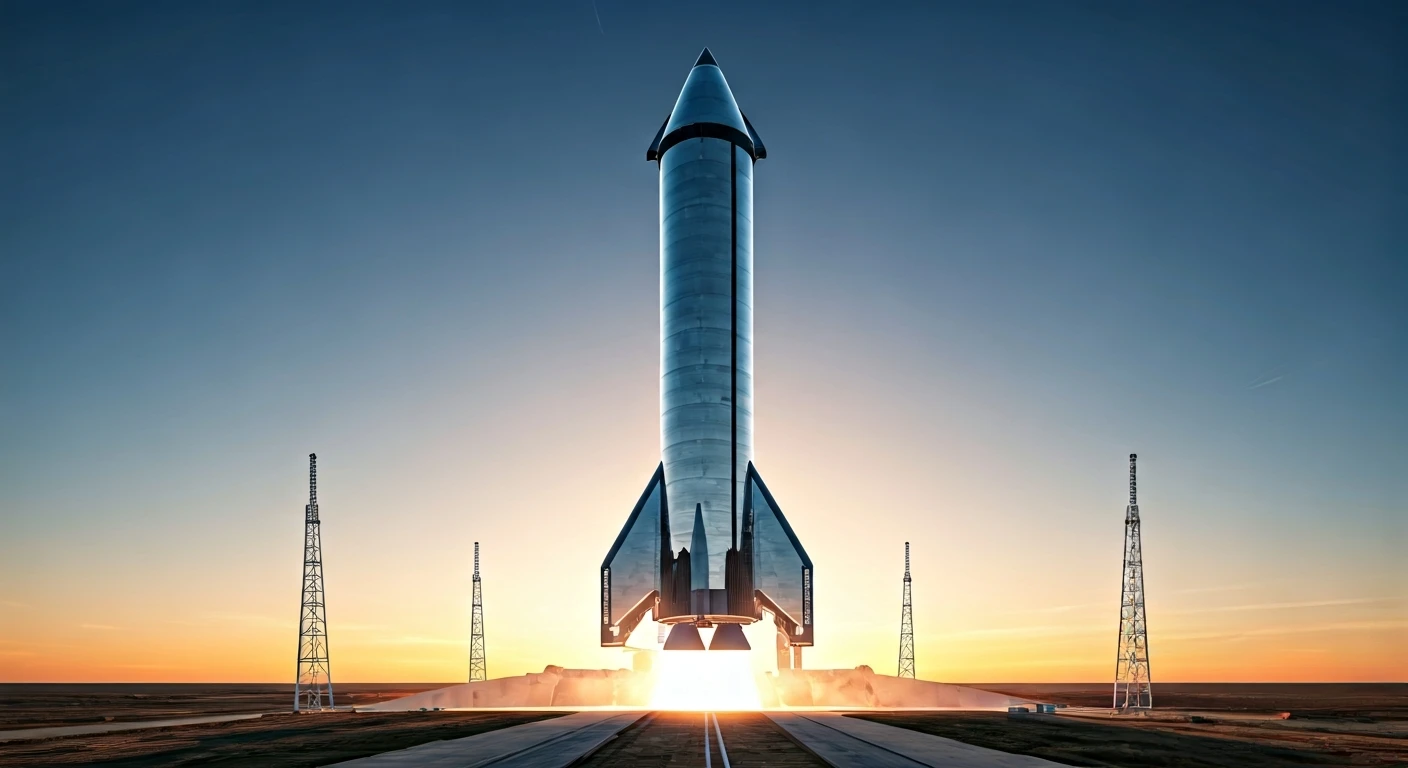
The upcoming mission will introduce Starship Version 3, a significantly upgraded iteration of the colossal rocket. This latest version boasts enhancements to both the Super Heavy booster and the upper stage, referred to as the 'ship,' crucial for maximizing Starship's potential for lunar missions and deep space exploration. A key capability of Version 3 is its ability to refuel mid-flight through orbital fuel transfers with other spacecraft. Standing at a towering 407 feet, the third-generation Starship is four feet taller than its predecessors. Its increased power is derived from 33 of SpaceX's advanced Raptor-class engines. The fully integrated vehicle comprises the 236-foot Super Heavy booster and the 171-foot Starship upper stage, representing a formidable engineering feat.
Mission Flight Plan
This flight test is designed to rigorously evaluate both components of the Starship system within a simulated operational environment. To push the Super Heavy booster's performance envelope, its landing sequence will conclude in the Gulf of Mexico, now officially recognized as the Gulf of America. As part of the test objectives, over 22 Starlink satellites will be deployed, demonstrating the vehicle's payload delivery capabilities. The launch itself will originate from an improved launchpad, designated Pad 2, which features an enhanced propellant farm. This upgraded facility boasts increased fuel storage capacity and more efficient pumps, enabling quicker refueling of the vehicle. The innovative design of the launch tower now includes mechanical arms, affectionately called 'chopsticks,' engineered to expertly catch the returning booster.