






The Vegetable Powerhouse
When we talk about the sustenance of India, vegetables are undeniably a cornerstone of daily meals across the nation. Among all the states, West Bengal
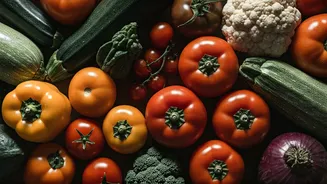
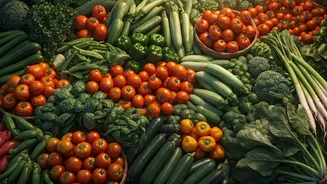
emerges as a prominent contributor to the country's vegetable supply. It cultivates a vast array of crops in substantial quantities, ensuring that fresh produce is consistently available in the markets throughout the year. This sustained and varied output is precisely why West Bengal has earned the distinguished recognition as the “Vegetable State of India” or its popular moniker, the “Vegetable Basket of India.” The sheer volume and diversity of vegetables originating from this eastern state underscore its pivotal role in meeting the country's culinary needs.
Fertile Lands, Ideal Climate
West Bengal's leading position in vegetable production isn't a matter of chance; it's largely attributed to its natural endowments. The state is blessed with exceptionally fertile alluvial soil, a gift from the mighty rivers like the Ganga that traverse its landscape. Coupled with this is a favorable humid tropical climate. These combined geographical advantages create an optimal environment for agriculture, allowing farmers to cultivate vegetables year-round. This stands in stark contrast to many other regions where vegetable farming is inherently seasonal, highlighting West Bengal's unique ability to maintain a continuous supply chain.
Diverse Cultivation, Staple Foods
The agricultural bounty of West Bengal encompasses nearly every vegetable that graces the tables of Indian households. From fundamental staples such as potatoes, onions, and tomatoes to a wide assortment of leafy greens and various gourds, the state's cultivation is remarkably comprehensive. It is particularly renowned for its prolific potato production, not only satisfying local demand but also significantly supplying other states across India. This extensive range ensures that the state is a reliable source for a diverse palette of fresh ingredients essential for Indian cuisine.
Intensive Farming Methods
A truly remarkable feature of West Bengal's agricultural landscape is its highly intensive farming approach. Farmers here often practice a system where they cultivate two, or even three, different crops on the very same parcel of land within a single year. This relentless cycle of planting and harvesting ensures a constant and unceasing flow of fresh produce to markets across the nation. This efficient land utilization maximizes output and contributes significantly to the state's reputation as a consistent supplier of vegetables.
Economic Engine, Livelihood
Beyond merely providing food, vegetable cultivation in West Bengal serves as a substantial economic engine, directly supporting the livelihoods of millions of farmers. Bustling wholesale markets, especially in metropolitan areas like Kolkata, function as critical distribution hubs. These vibrant centers are instrumental in channeling fresh produce from farms to various corners of India, ensuring that the hard work of farmers reaches consumers efficiently. The economic activity generated by this sector is vital for the state's rural economy.
Challenges and Hurdles
Despite its impressive achievements and significant contributions, the agricultural sector in West Bengal is not without its challenges. Farmers frequently grapple with unpredictable weather patterns, the devastating impact of frequent floods, and the volatility of market prices. Small and marginal farmers, in particular, face considerable difficulties due to their limited access to essential storage facilities. Furthermore, inadequately developed transportation infrastructure often exacerbates their struggles in getting their produce to market efficiently. Consequently, many farmers end up incurring losses, even when they have achieved a good harvest, highlighting the complex realities of agricultural operations.