




Shag Rug Woes
High-pile shag rugs, with their luxuriously long fibers, often become magnets for dust and debris. Vacuuming them can be a struggle, as the deep pile can snag
and tangle the vacuum's brush roll. Experts advise setting your vacuum to its highest height to avoid this, and crucially, disengaging the beater bar. For a more thorough clean, they suggest vacuuming the underside of the rug, as dirt tends to accumulate in the backing. If you're looking for a deeper clean, consider taking the rug outdoors for a good shake-out. Lay it on a clean surface, mix your preferred detergent with water in a spray bottle (don't oversaturate), and scrub in small sections. Rinse thoroughly, flip, and repeat. Ensure all suds are gone before air-drying or hanging it to dry completely. For pet owners, a pet hair scraper or carpet rake can be a lifesaver for removing stubborn fur.
Washable Rug Hassles
While the convenience of tossing a washable rug into the washing machine is undeniable, vacuuming them presents its own set of difficulties. These rugs often have a tendency to bunch up as you vacuum, creating an uneven surface. To combat this, especially if the rug lacks an underlay, it's recommended to use a low-suction setting on your vacuum and ensure the beater bar is switched off. Instead of aggressive back-and-forth motions, aim for long, deliberate strokes from one end of the rug to the other for a smoother cleaning experience.
Braided & Moroccan Pitfalls
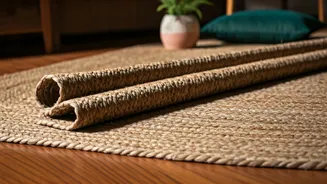
Rugs with braided or Moroccan styles, known for their intricate weaves and delicate piles, demand a gentler approach to vacuuming. Cleaning professionals caution against using aggressive vacuum brushes or settings with high agitation, as these can easily damage the fibers. It's important to remember that not all rug piles are robust enough for frequent, vigorous vacuuming. For these types of rugs, a more sensitive cleaning method is essential to preserve their integrity and appearance over time.
Tassels and Fringes
The charming addition of tassels and fringes to a rug can elevate its aesthetic appeal, but they also introduce a cleaning challenge. To navigate these decorative elements, experts suggest using specific vacuum attachments. A soft brush, such as one designed for hardwood floors or upholstery, used on a low setting, is ideal. The key is to vacuum in the direction that the tassels naturally fall, rather than moving the vacuum side-to-side, which can cause tangling and damage.
Heavy Furniture Hurdles
The placement of a rug can significantly impact how easy or difficult it is to clean, especially when it comes to wool rugs situated beneath heavy furniture. The challenge here is that to properly vacuum underneath, the furniture must be moved. Neglecting this can lead to an accumulation of dust and potentially moths, which can damage the rug from beneath. Experts highlight that both the top and underside of these rugs require attention, as moths can nest and feed on the fibers from below, causing irreparable harm.
Raised Pattern Problems
Rugs featuring raised patterns, where textures and designs exist at varying heights, pose a unique vacuuming dilemma. These varied levels tend to trap more dirt and debris, making thorough cleaning a more intricate task. To prevent damage to these textured surfaces, it's recommended to use a light suction setting and avoid using the beater bar altogether. This gentle approach ensures the pattern remains intact while effectively removing accumulated dirt.
Antique Rug Care
Antique, delicate, or worn-out rugs, including flat weaves that lack a significant pile, are particularly susceptible to damage from conventional vacuuming. For these irreplaceable pieces, professionals advise exclusively using a vacuum with suction power and absolutely no rotating brush attachments. Alternatively, a manual broom can be used for cleaning. The reasoning is that any agitation from a brush mechanism can quickly wear down the delicate fibers, compromising the rug's condition.