


Licorice Root's Brightening Power
Hyperpigmentation, those unwelcome patches of darker skin, can be a persistent concern. While severe cases might require professional intervention, nature
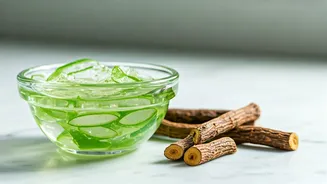
offers potent solutions. Licorice root stands out as a dermatologist favorite due to its active compound, glabridin. This remarkable ingredient effectively inhibits melanin production, a key factor in the development of sun-induced discoloration and other forms of pigmentation. To harness its benefits, look for over-the-counter skincare products like toners or serums that prominently feature licorice extract. Consistent daily application of these products can lead to a noticeable reduction in dark spots over time, promoting a more uniform skin tone.
Dairy's Gentle Exfoliation
Ancient beauty practices often incorporated dairy, and for good reason. Milk and yogurt contain lactic acid, a mild alpha-hydroxy acid (AHA). Unlike the potent concentrations used in clinical chemical peels, the naturally occurring levels in plain milk, buttermilk, or yogurt offer a gentle yet effective way to shed dull, pigmented skin cells. This process reveals fresher, brighter skin underneath. Simply apply plain yogurt directly to the affected areas or use milk-soaked cotton balls to wipe across your face, leaving it on for 10-15 minutes. For an added anti-inflammatory boost, consider mixing a tiny bit of turmeric into the yogurt before application.
Soy for Post-Acne Marks
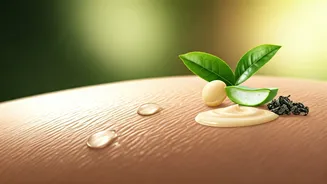
For those struggling with the lingering marks left behind by acne breakouts, soy emerges as a powerful ally. Soybeans are rich in specific isoflavones and fatty acids that possess the unique ability to prevent melanin from migrating to the uppermost layer of the skin. By interrupting this process, soy helps to fade these stubborn post-inflammatory hyperpigmentation spots. Incorporating soy into your routine is simple: try washing your face with unpasteurized soy milk for a direct treatment, or opt for a daily facial moisturizer that lists active soy as a key ingredient for ongoing support.
Green Tea's Antioxidant Defense
Your daily cup of green tea offers more than just a morning pick-me-up; it's a treasure trove of antioxidants, most notably epigallocatechin-3-gallate (EGCG). Scientific research highlights EGCG's remarkable capacity to disrupt the cellular signaling pathways that trigger excess melanin production. Furthermore, it possesses anti-inflammatory properties that help to soothe skin irritated by UV exposure. To use green tea for dark spots, steep a tea bag in hot water, allow it to cool completely, and then gently rub the damp tea bag over your pigmented areas. This can be done up to twice daily for optimal results.
Aloe Vera's Soothing Tone
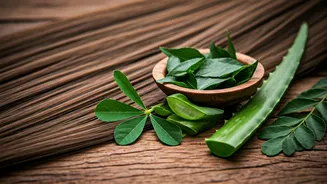
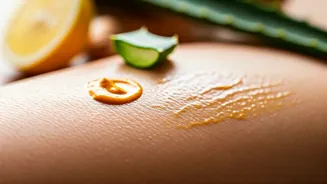
Renowned for its cooling effect on sunburns, aloe vera also excels at promoting a more even skin tone. Its efficacy stems from two primary active compounds: aloin and aloesin. Scientific studies indicate that these natural elements directly inhibit tyrosinase, the crucial enzyme responsible for melanin synthesis in the skin. Implementing this remedy is straightforward: apply a thin layer of pure, unscented aloe vera gel directly onto any areas with dark spots before going to bed. Allow the gel to absorb overnight, and then rinse your face with lukewarm water in the morning. This simple nighttime ritual can contribute significantly to reducing the appearance of pigmentation.