



Understanding Gudi Padwa's Essence
Gudi Padwa, also known as Sansar Padwa or Chaitra Navratri in some regions, marks the beginning of spring and the conclusion of the Rabi crop harvest.
It holds immense cultural significance for Maharashtra and the Konkan region, celebrating the traditional new year. According to Hindu belief, it's on this day that Lord Brahma commenced the creation of the universe, establishing the cycles of time. This festival symbolizes victory over evil and heralds an era of prosperity and new beginnings. In other parts of India, it overlaps with celebrations like Ugadi in the south and Cheti Chand in the north, falling between late March and early April. The date for Gudi Padwa in 2026 is set for Thursday, March 19th, coinciding with the Shukla Paksha (bright fortnight) of the Chaitra month, marking a fresh start for Marathis. The name itself is a blend: 'Gudi' meaning a flag and 'Padwa' derived from the Sanskrit 'Pratipada,' signifying the first day of a lunar fortnight. Ancient tales link Gudi Padwa to Lord Brahma's creation of the world after a great deluge, hence the tradition of hoisting a Gudi as Brahma Dwaja to honor this momentous event. Another narrative connects it to Lord Ram's coronation in Ayodhya after his fourteen-year exile, symbolizing his triumph over Ravana.
Rituals and Auspicious Date 2026
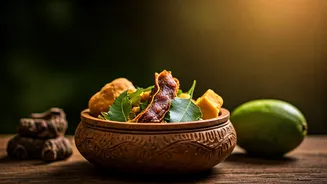
The Gudi Padwa celebration in 2026 falls on Thursday, March 19th. Observance typically begins with waking early, followed by a purifying bath and a thorough cleaning of the home, with rural communities sometimes using cow dung for purification and decoration. A special pooja is performed during the Arunodaya Kaal (dawn). As light breaks, the Gudi is worshipped without delay. Participants don new traditional attire and adorn their homes with vibrant rangoli designs, fresh flowers, and decorative lights. Friends and relatives are invited to share the festive spirit, and blessings are sought from elders. A unique aspect of the observance involves consuming prasad made from flavoured neem leaves, honey, and tamarind, a combination of bitter, sweet, and tangy tastes that metaphorically represents the diverse experiences of life. Culinary delights such as Puran Poli, Kheer, and Sanna are prepared for the celebratory meal. The festivities often conclude with Lezim, a traditional folk dance from Maharashtra. The hoisted Gudi itself symbolizes victory and serves as a reminder of divine triumph over adversity, making Gudi Padwa an auspicious occasion for initiating new personal and professional ventures.
Creative Gudi Padwa Decor Ideas
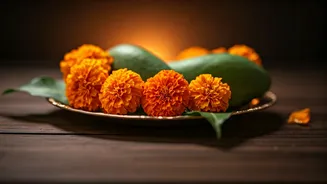
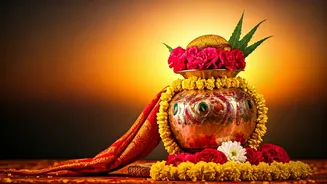
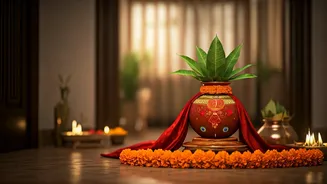
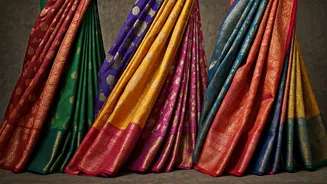
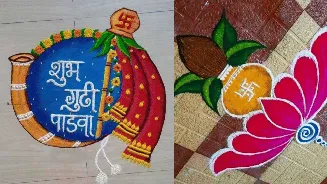
Elevate your home's festive ambiance for Gudi Padwa 2026 with these imaginative decoration ideas. Central to the celebration is the customary Gudi flag, which can be crafted or purchased, featuring a vibrant silk scarf atop a bamboo stick adorned with flowers, neem, and mango leaves, often topped with a copper or silver kalash. This flag is displayed on terraces or windows for good luck. Enhance your entrance with intricate rangoli designs, framed by diyas, to welcome prosperity. Infuse your living space with ethnic charm by using traditional fabrics for upholstery, cushion covers, and bed linens, opting for vibrant prints and patterns. Adorn your doorways with torans made of mango and neem leaves, interwoven with flower garlands, adding a splash of color and tradition. Illuminate your home with an array of lighting, from chandeliers and fairy lights to floor and table lamps, creating an artistic and inviting glow. Pay special attention to your dining table, presenting traditional delicacies like Puran Poli on beautiful dinnerware, complemented by fresh flowers and leaves. Consider a fresh coat of paint for your walls to invigorate your home's aesthetic. Incorporate fresh flowers for their natural fragrance and positive energy, or consider purchasing new furniture as an auspicious start to the new year. Indoor plants add greenery and purify the air, enhancing the natural beauty of your home. Don't forget to beautify your pooja room with torans, brass bells, rangoli, and diyas, and offer sweets on a traditional tray. Introduce Indian folk art like Warli or Madhubani to bring a unique traditional vibe. Create a grand entrance arch with bamboo or wooden frames, decorated with mango leaves, marigold strings, and traditional bells. Design a Maharashtrian-themed corner with a traditional saree, brass utensils, and clay diyas. For social media sharing, create a DIY selfie station with a silk saree backdrop and marigold strings. Enhance the sensory experience with natural scents like sandalwood incense or mogra oil, and place neem leaves in water bowls for a touch of health and earthiness.