





The Germy Carry-On Conundrum
A frequent frustration for airline cabin crew involves how passengers store their carry-on luggage in overhead compartments. Flight attendants often find
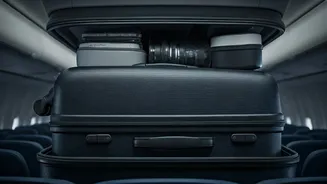
themselves having to rearrange bags, which means physically touching luggage that has been dragged through various environments – from personal homes to airport floors and restrooms. This practice raises significant hygiene concerns, as the surfaces of these bags can carry numerous germs. While flight attendants might use disposable gloves, these aren't always practical for everyone due to potential allergies, and the constant donning and doffing can disrupt pre-flight duties involving touchscreens and other essential tasks. The most direct way to mitigate this issue, according to airline staff, is for passengers to place their wheeled luggage into the bins with the wheels facing inward and the handles exposed outward. This seemingly small adjustment not only minimizes the need for crew members to handle germ-laden bags but also sets the stage for a more orderly and hygienic travel experience for all onboard.
Maximizing Space and Flow
Beyond hygiene, the correct placement of carry-on luggage significantly impacts the efficiency of boarding and deplaning. Storing bags with wheels first and handles facing outwards is not just about making the flight attendant's job easier; it's a strategic move to optimize the use of limited overhead bin space. Many bins are designed with a slightly wider rear, allowing for the bulkier wheeled end of a bag to fit snugly. When bags are placed this way, they tend to fit more securely and create a more uniform surface for subsequent bags. This arrangement also proves invaluable during disembarkation. Grabbing a bag by its handle is considerably faster and less cumbersome than attempting to pull a suitcase that's wedged in by its wheels, which can lead to a domino effect of delays as passengers struggle to retrieve their belongings. Furthermore, placing bags sideways, often described as 'hot dog style,' maximizes the bin's capacity, accommodating more luggage overall. Smaller personal items, such as coats and purses, should ideally be stowed under the seat in front of you, unless you are in a bulkhead or exit row, to keep overhead bins clear for main luggage.
Boarding Etiquette for Efficiency
Patience and thoughtful actions from passengers can dramatically improve the boarding process, preventing delays that can impact takeoff schedules. Flight attendants often find that the boarding momentum is disrupted when they have to locate owners for personal items or coats that have been placed in overhead bins. This scenario requires them to open bins, search through luggage, and potentially move items, all of which consumes valuable time. Passengers are encouraged to wait until the main boarding process is nearing completion before attempting to stow additional items in the overhead bins, and to prioritize placing their main carry-on luggage first. If space is available, the crew will assist with extra belongings. Similarly, passengers who find lifting wheeled luggage into overhead bins challenging, or simply wish to be extra considerate, might consider alternative bag types like duffels or weekender bags. These are often easier to maneuver, take up less space, and contribute to a smoother, faster boarding experience for everyone involved.