





The Hidden Belly Culprit
Many individuals find themselves frustrated by a persistent lower abdominal bulge that seems immune to diet and exercise. This common concern is often
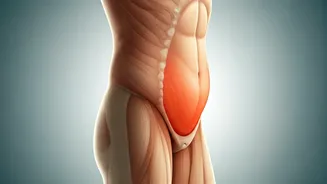
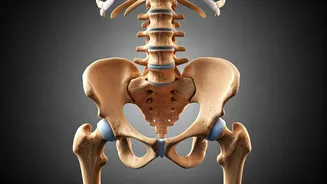
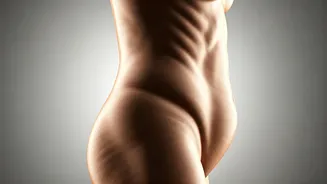
mistakenly attributed to excess body fat or a sluggish metabolism, leading to more intense workouts and restrictive eating habits without achieving the desired results. However, fitness coach Julie Capozziello suggests that the reality might be more about how we hold ourselves. She points to anterior pelvic tilt, a postural imbalance that alters the natural alignment of the spine, pelvis, and core, as the primary reason for a protruding lower belly and potential lower back discomfort. This condition can significantly impact how our midsection looks, often creating the illusion of weight gain when it's actually a structural issue.
Modern Life's Impact
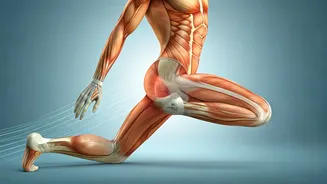
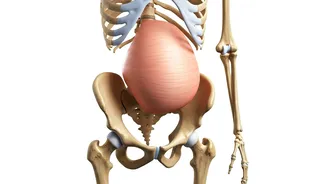
The modern lifestyle, characterized by extended periods of sitting, plays a significant role in developing anterior pelvic tilt. According to Capozziello, when we spend too much time seated, our hip flexor muscles become chronically tight. These tightened hip flexors then exert a constant pull on the pelvis, tilting it forward and increasing the natural arch in the lower back. This forward tilt causes the abdominal area to push outwards, exacerbating the appearance of a belly 'pooch.' Over time, this misalignment can lead to a cascade of issues, including chronic lower back pain, weakened gluteal muscles, and a general feeling of frustration during fitness routines. While it can be a combination of posture and actual body fat, the structural aspect is often overlooked.
Corrective Movements Explained
To combat anterior pelvic tilt and reclaim a more neutral pelvic position, Capozziello advocates for a series of five corrective exercises. These movements are designed to retrain the core muscles, enhance hip mobility, and reduce the excessive spinal curvature without requiring any specialized gym equipment. The exercises include quadruped pelvic tilts, deadbug toe taps, bear hold toe taps, hip CARs (Controlled Articular Rotations), and the happy baby stretch. Each of these poses works to gently reposition the pelvis, strengthen the supporting musculature, and improve overall spinal health, ultimately contributing to a less pronounced lower belly and better posture.
Daily Awareness is Key
Achieving lasting improvement in posture and reducing the appearance of a lower belly pooch extends beyond dedicated workout sessions. Capozziello emphasizes that maintaining a neutral pelvis requires conscious effort throughout the day, even during simple activities like sitting, standing, and walking. Implementing small, consistent adjustments in our daily routines can yield significant long-term benefits. Simple posture checks, such as consciously tucking the pelvis slightly under, bringing the rib cage into a neutral position, and rolling the shoulders back and down, are crucial. These mindful corrections help to counteract the habitual forward tilt and promote a more balanced and aligned physique.
Identifying the Postural Cause
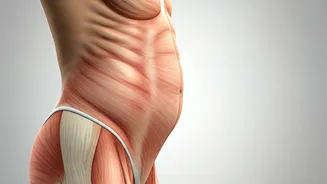
Distinguishing between a lower belly pooch caused by anterior pelvic tilt and one due to excess body fat involves observing how your abdomen behaves and feels. Dr. Vajalla Shravani, a fitness and pilates expert, notes that with anterior pelvic tilt, the lower abdomen often appears to protrude, even in individuals who are otherwise lean. The waistline might also exhibit an exaggerated arch. A straightforward way to check is by standing sideways in front of a mirror; an overly curved lower back and a visibly forward-tilted pelvis are strong indicators of this postural issue. Furthermore, individuals with this condition often experience tightness in their hip flexors and lower back, and may struggle to effectively engage their core muscles.
The Impact of Sitting
Prolonged periods of sitting profoundly affect our hip flexors, glutes, and spinal alignment, contributing to anterior pelvic tilt. When we sit for extended durations, our hips remain in a perpetually flexed state. Over time, this leads to the hip flexor muscles shortening and tightening, while the gluteal muscles, responsible for hip extension, become underutilized and weakened. This imbalance creates a pulling sensation on the pelvis, causing it to tilt forward and increasing the lumbar curve. Moreover, sitting limits natural spinal movement, weakening the deep core stabilizers that are vital for maintaining good posture. These physiological changes can manifest quite rapidly, with noticeable stiffness and postural shifts occurring within weeks of extended sitting, especially if physical activity is minimal outside of work. This can eventually lead to the body adopting this altered posture as its norm.