




Smarter Cooking Methods
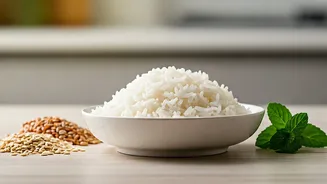
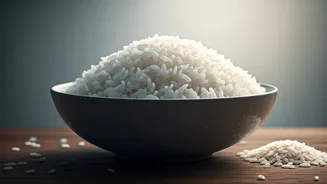
Elevate your rice experience by incorporating healthy fats during the cooking process. Adding a small amount of ghee, approximately a teaspoon, to your rice as it
simmers can significantly enhance its satiety benefits. This simple addition aids in regulating post-meal blood sugar fluctuations, ensuring you feel fuller for an extended period. Beyond satiety, this practice contributes to a more balanced energy release, preventing the sharp spikes and subsequent crashes often associated with carbohydrate consumption. It's a fundamental shift in how rice is prepared that yields substantial health advantages, making it a more beneficial component of your diet without altering its core nature. This technique is particularly useful for individuals aiming to manage their appetite and maintain consistent energy levels throughout the day.
Cooling for Health
For those concerned about managing their glucose levels, particularly individuals with diabetes or those prone to blood sugar spikes after meals, a crucial technique involves altering the temperature of your cooked rice. Instead of consuming it immediately after preparation, allow the rice to cool completely before eating. Ideally, prepare your rice a day in advance, refrigerate it overnight, and then consume it. This cooling process transforms the digestible starches in rice into resistant starch, a type of carbohydrate that bypasses digestion in the small intestine and ferments in the large intestine. This fermentation process nourishes beneficial gut bacteria, and importantly, it leads to a significantly lower glycemic response, meaning your blood sugar levels will rise much more slowly and steadily after consumption. This simple step makes rice a more gut-friendly and blood-sugar-conscious food.
Mindful Eating Order
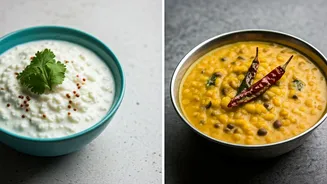
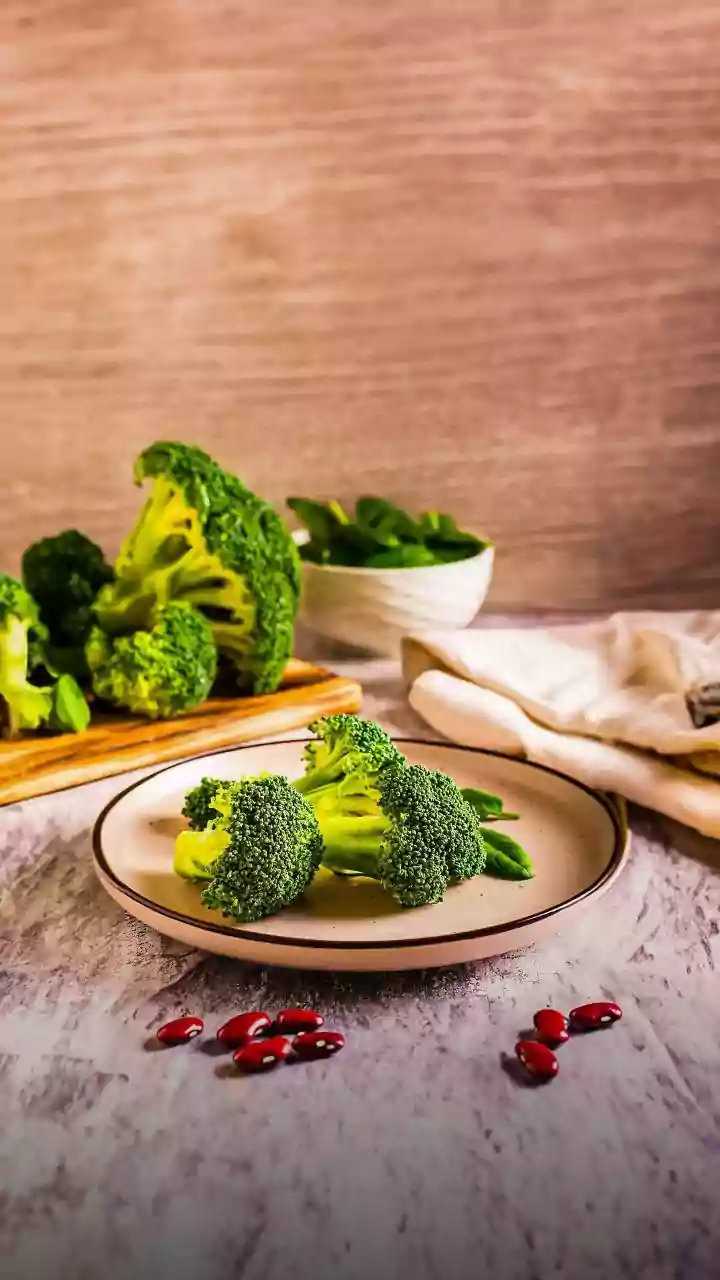
The sequence in which you consume your meal components can profoundly impact your digestive process and how your body handles blood sugar. A highly effective strategy is to prioritize fiber and protein before turning to your rice. Begin your meal with a generous serving of vegetables or a fresh salad to load up on essential fiber. Following this, incorporate a protein source, such as lentils (dal), yogurt (curd), eggs, chicken, meat, or a lentil-based stew like sambar. Reserve your rice for last, and ideally, pair it with any remaining protein from your meal. This phased approach naturally moderates your rice intake without the need for strict portion control or feeling deprived. By filling up on nutrient-dense fiber and protein first, your body is better prepared to process the carbohydrates, leading to improved satiety and more stable glucose levels.
Portion Control Wisdom
Practicing moderation with both the quantity and timing of your rice consumption is key to harnessing its benefits. Avoid eating excessively large portions; for instance, aim for less than what would fill two of your fists. A highly recommended approach is to consume a more substantial serving of rice earlier in the day, such as during lunch, and opt for a significantly smaller portion in the evening. While some may believe rice should be entirely excluded from dinner, nutritionist Kavita Devgan often includes it in evening meals for her clients when it's eaten correctly. Furthermore, for individuals who experience difficulties with sleep, incorporating a modest amount of rice at night can be beneficial. This is because rice aids in the production of serotonin and melatonin, neurotransmitters crucial for regulating mood and sleep cycles, potentially leading to a more restful night.
Embrace Fermented Rice
One of the most advantageous ways to enjoy rice, according to nutritionist Devgan, is through fermented preparations. These dishes are teeming with probiotics and offer exceptional benefits for gut health. Traditional culinary delights such as idli and dosa, which are made from fermented rice and lentil batters, are prime examples. Another highly praised fermented rice dish is pazhaya sadam, a type of rice porridge or kanji that is particularly revered in South India. Many prominent individuals have attributed significant improvements in their digestive well-being to consuming kanji regularly. This ancient practice of fermentation transforms simple rice into a powerhouse of beneficial bacteria, promoting a healthy gut microbiome and enhancing nutrient absorption, making it a cornerstone of a gut-friendly diet.