






Calorie Control is Key
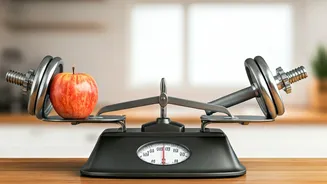
To effectively reduce body fat, including the stubborn fat around your abdomen, creating a calorie deficit is paramount. This means consuming fewer calories
than your body expends, compelling it to tap into stored fat reserves for energy. A deficit of 3,500 calories per week is generally recommended for a healthy loss of one pound. However, it's crucial to avoid excessively low-calorie diets, as they can hinder your progress by promoting fat-storage enzymes and slowing your metabolism, while also risking muscle mass loss and thyroid function impairment. Spreading your daily calorie intake across five to six smaller meals can help maintain metabolic rate and curb cravings. Prioritizing a substantial breakfast is advised, as it can kickstart your metabolism and potentially aid in burning more abdominal fat throughout the day.
Moderate Alcohol Intake
Limiting your consumption of alcoholic beverages is a significant step towards reducing abdominal fat. Alcohol is calorically dense, containing approximately 7 calories per gram, nearly matching that of fat. When you drink alcohol, your liver prioritizes processing it, converting it into acetate, which the body then uses as fuel instead of fat. This effectively halts the fat-burning process. Furthermore, consuming alcohol, whether before or during a meal, can stimulate appetite, leading to an increased calorie intake during that meal. Therefore, moderating alcohol consumption is essential for an effective fat-loss strategy.
Wise Fat Choices
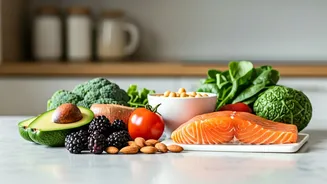
While reducing overall dietary fat is generally beneficial for preventing abdominal fat accumulation, it's vital to distinguish between different types of fats. Fat is calorie-dense, offering 9 calories per gram compared to carbohydrates or protein's 4 calories. Moreover, fatty meals tend to be less satiating, potentially leading to hunger sooner. However, not all fats are detrimental. Essential fatty acids (EFAs), found in nuts, seeds, fatty fish, and whole grains, are crucial for bodily functions and cannot be synthesized internally. Conversely, saturated fats from animal sources should be limited, as they are more prone to promoting fat storage. Trans fats, often found in processed and fried foods, should be completely avoided due to their adverse health effects and tendency to increase body weight even when calorie intake is controlled, as demonstrated in studies where diets high in trans fats led to significant weight gain compared to diets rich in monounsaturated fats.
Embrace Low-GI Carbs
Choosing carbohydrates with a low Glycemic Index (GI) is a smart strategy for managing blood sugar and promoting fat loss. High-GI carbohydrates are rapidly digested, causing sharp spikes in blood glucose and triggering a significant insulin release. While insulin is necessary for glucose utilization, excessive amounts can promote fat storage. Low-GI carbohydrates, on the other hand, are digested more slowly, leading to a gradual rise in blood glucose and insulin levels. This sustained energy release helps reduce cravings and supports a more stable metabolic state. Non-starchy vegetables, legumes, and most fruits typically fall into the low-GI category, offering a healthier alternative to refined carbohydrates and starchy foods like potatoes.
Boost Your Fiber
Increasing your intake of dietary fiber can significantly aid in weight management and reduce abdominal fat. Fiber, which is indigestible by the body, provides zero calories and contributes to satiety by requiring more chewing and signaling fullness to the brain. Foods rich in fiber help you feel full for longer periods, reducing the likelihood of overeating. This prolonged feeling of fullness, coupled with the absence of calories from fiber itself, makes it a powerful tool for controlling calorie intake and supporting your fat-loss journey.
Hydration for Fat Burn
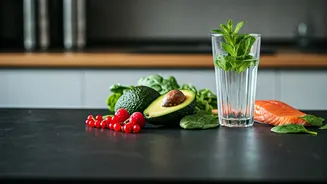
Drinking plenty of water is a simple yet effective strategy for weight management and fat loss. Water is calorie-free and can contribute to a feeling of fullness, potentially reducing overall food intake. There's even a theory that consuming ice-cold water might slightly boost calorie expenditure, as the body expends energy to warm it to body temperature, potentially burning around 70 extra calories daily for approximately 2 liters. Beyond its thermogenic potential, adequate hydration ensures your kidneys efficiently process waste products. This allows your liver to focus its primary function on converting stored body fat into usable energy, thereby optimizing fat mobilization.
Spice Up Metabolism
Incorporating capsaicin, the active compound found in cayenne peppers, may offer benefits for boosting metabolism and aiding fat loss. Studies suggest capsaicin can increase thermogenesis, the body's heat production, which in turn can enhance the rate at which carbohydrates and fats are burned. Some research indicates it might elevate resting metabolic rate by up to 25%, with effects peaking within 75 to 90 minutes and lasting for several hours. Furthermore, capsaicin has shown potential in suppressing appetite, leading to reduced calorie consumption in subsequent meals, as observed in trials where participants consuming capsaicin-infused drinks ate fewer calories.