






Beyond Shared Spaces
Often, society portrays marriage through idealized snapshots – the perfect wedding day, picture-perfect moments, and celebratory hashtags. However, the day-to-day
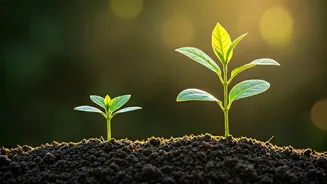
reality of sharing a life involves practicalities like managing household chores and maintaining order. It's easy to become preoccupied with the act of simply living together. Yet, acclaimed author and philanthropist Sudha Murty offers a perspective-shifting idea: "Marriage is not about two people living together; it’s about two people growing together." Initially, this sentiment might seem like a simple, heartwarming platitude. Upon deeper reflection, however, it serves as a crucial wake-up call. This redefinition transforms the concept of a successful marriage from a fixed state of cohabitation into an ongoing, active process of development. While many believe marriage is about finding a perfectly fitting complement, Murty suggests that individuals themselves are in constant flux. The true essence of a lasting union lies in how partners navigate these continuous transformations as a team.
Cultivating Shared Growth
The mechanics of living together—aligning schedules, managing finances, and establishing household routines—can be navigated relatively smoothly. It's possible to coexist in the same environment for decades without truly understanding each other's inner worlds, merely sharing practical necessities. True "growing together," on the other hand, requires a much deeper commitment and effort. This involves a mutual willingness to learn and adapt, recognizing that neither partner is flawless. Sudha Murty’s perspective highlights that a resilient marriage is not defined by the absence of disagreements, but by the capacity to manage life's inevitable divergences. Whether facing career shifts, differing personal pursuits, or periods of misunderstanding, these are the crucibles where marital growth is tested. The crucial question is whether these changes are perceived as threats to stability or as opportunities to deepen understanding of the evolving partner. Embracing these shifts as integral to the relationship’s journey fosters a more robust and enduring bond.
The Illusion of Perfection
Our culture frequently emphasizes the pursuit of an "ideal" partner, someone who aligns perfectly with a predefined list of expectations from the outset. Sudha Murty, drawing from her extensive personal experience in a long-standing marriage, consistently points out that the expectation of flawlessness is a breeding ground for disappointment and resentment. The concept of "growing together" alleviates this pressure by acknowledging the inherent imperfections of both individuals. It’s understood that both partners will inevitably make mistakes, exhibit irritating habits, experience difficult moods, and go through less-than-ideal phases. Committing to growth means committing to a partnership with someone who is not perfect in the present but with whom one is willing to journey through life's complexities. This outlook allows for the acceptance of flaws and a conscious choice to progress forward, preventing minor irritations from escalating. It acknowledges that the person one is with today is different—and that difference is beneficial—from the person they were when the marriage began.
Individuality Fuels Unity
A common misunderstanding of "growing together" is the notion that it necessitates a complete dissolution of individual identities into a singular entity. Many fear that marriage will stifle their personal sense of self. However, Murty’s philosophy suggests the contrary: robust individual development is a prerequisite for genuine relational growth. The ability to grow as a couple is contingent upon each person’s capacity for personal development—pursuing personal aspirations, addressing past traumas, and defining individual values. A healthy marriage serves not as a restrictive enclosure, but as a powerful platform for personal expansion. It's about encouraging your partner to flourish and broaden their horizons, understanding that their increased fulfillment strengthens the relationship itself. Celebrating their successes, even when they venture into areas outside of your direct experience, is integral to this dynamic. This mutual encouragement of individual progress creates a stronger, more vibrant shared life.
Authenticity Over Filters
In today's digitally saturated world, we are continuously exposed to curated images of seemingly "perfect" couples enjoying idealized lifestyles, leading to the impression that a less-than-cinematic marriage is somehow inadequate. Sudha Murty's counsel provides a vital grounding perspective, reminding us that authentic love is often found in the quiet, unglamorous acts of commitment and presence. It manifests in candid, late-night conversations aimed at resolving misunderstandings, in the countless, unacknowledged compromises made daily, and in the slow, persistent effort to become dedicated "growth partners." This viewpoint doesn't negate the existence of difficulties but rather humanizes the marital journey. It suggests that the most enduring marriages are not those devoid of challenges, but those where partners choose to navigate life's complexities collaboratively, strengthening their bond through shared experience. Murty's wisdom offers the profound gift of permission to be human, to embrace imperfection, and to commit to an ongoing, side-by-side evolution.