

The Abundance Dilemma
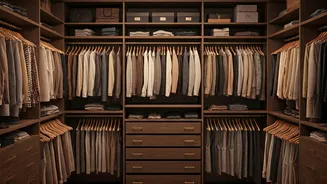
In an era of unprecedented fashion accessibility, many find themselves staring into overflowing closets, lamenting a lack of suitable attire. This common
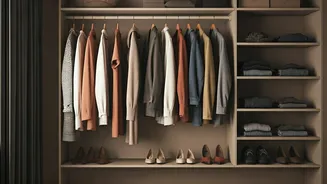
experience, encapsulated by the phrase 'I have nothing to wear,' stands in stark contrast to the sheer volume of clothing available. The modern wardrobe, a result of constant product drops and rapid online shopping, has transformed from a source of creative expression into a significant stressor. Instead of feeling empowered by choice, individuals often experience paralysis, a phenomenon psychologists attribute to decision fatigue. The sheer volume of options, coupled with the relentless pace of new trends amplified by social media, can make the simple act of getting dressed feel daunting rather than delightful. This paradox highlights a disconnect between the quantity of clothes we own and our actual satisfaction with our appearance.
Uncertainty Fuels Overwhelm
The feeling of having nothing to wear is frequently rooted not just in the sheer number of garments, but in a lack of clarity about personal style and what truly suits an individual. Many women find their wardrobes filled with pieces that, while perhaps appealing individually, lack cohesion or don't align with their body shape or confidence levels. This often stems from purchasing items based on fleeting trends, impulse buys, or sale incentives, rather than a well-thought-out system. As a result, wardrobes become a collection of disconnected items rather than a functional ensemble. The absence of foundational staple pieces means that newer, trend-driven purchases struggle to integrate, leading to a closet that feels full yet functionally empty. This personal uncertainty can be amplified by past negative experiences with certain clothing items, contributing to a reluctance to experiment or a feeling of being stuck.
The Dopamine Treadmill
The contemporary shopping cycle, heavily influenced by social media and fast fashion, often traps individuals in a loop driven by short-term dopamine hits. The thrill of discovering a new trend online, placing an order, and anticipating a package provides a fleeting sense of satisfaction. However, these impulse purchases, driven by immediate appeal rather than long-term wearability or personal suitability, frequently lead to wardrobes filled with garments that lack versatility and coherence. Over time, this accumulation of disconnected pieces creates a sense of overwhelm, making the daily task of dressing feel like a chore. This constant acquisition of items that don't truly serve a purpose, coupled with the pressure to keep up with rapidly changing aesthetics presented on platforms like TikTok and Instagram, can blur personal style, leading individuals to adopt external trends rather than cultivate their own authentic look. Consequently, the emotional payoff from shopping diminishes, leaving wardrobes that are visually full but emotionally unsatisfying.
Cultivating Clarity and Cohesion
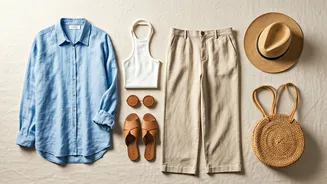
The path to a more stylish and less stressful wardrobe often involves a strategic shift from accumulation to curation. Rather than constantly seeking novelty, focusing on building a foundation of versatile 'anchor pieces' is key. These essential items, such as well-fitting trousers, classic blazers, or perfect white t-shirts, create a cohesive system that allows for easier integration of trendier or statement items. The goal is to establish a personal uniform grounded in reliable silhouettes and colours that genuinely complement the wearer. This approach fosters a sense of effortless style, which is often perceived as consistency rather than frequent experimentation. By understanding what shapes, colours, and fabrics repeatedly appeal to one's personal aesthetic, and by using social media as a tool for inspiration rather than a rigid rulebook, individuals can move towards a wardrobe that reflects their identity and simplifies the daily ritual of getting dressed.