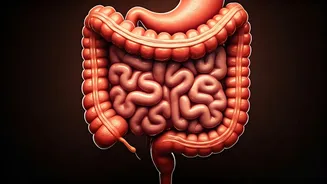







Understanding Acidity vs. Stomach Pain
It's important to distinguish between acidity and general stomach pain. Acidity, often termed acid reflux or gastro-oesophageal reflux, manifests as stomach acids
flowing back into the oesophagus. This typically results in a burning sensation in the chest (heartburn), bloating, nausea, and an unpleasant sour taste in the mouth. In contrast, stomach pain is usually localized discomfort, sometimes accompanied by bloating or pressure, but without the characteristic acid regurgitation or sourness. While spicy foods, caffeine, and stress are frequent triggers for acidity, a less recognized but significant factor is the omission of breakfast from one's daily routine. This missed meal can directly contribute to the onset and persistence of acid-related digestive issues, making the morning meal a critical component of gut health.
Breakfast's Crucial Digestive Role
During the overnight fasting period of 8-10 hours, your stomach naturally begins to secrete acids in preparation for anticipated food intake. When breakfast is skipped, these potent digestive acids have no food to process. Consequently, they can begin to irritate the stomach lining, potentially leading to conditions like acid reflux. Consuming a healthy breakfast serves a dual purpose: it provides sustenance for your body to digest and, crucially, helps to neutralize the stomach acids that have accumulated overnight. Beyond immediate digestion, a regular breakfast also plays a vital role in synchronizing your body's internal clock, known as circadian rhythms. This alignment ensures that your digestive system operates in harmony with your metabolic rate, preventing imbalances that can lead to an overload of acids and subsequent discomfort.
Skipping Breakfast Triggers Acidity
When you bypass breakfast, your empty stomach undergoes several physiological responses that can escalate acidity. Firstly, the continuous production of hydrochloric acid in an unfed stomach leads to an excess build-up, causing direct irritation to the gastric lining. Secondly, the sensation of hunger prompts the stomach to contract, which can inadvertently push these accumulated excess acids upwards into the oesophagus, a key mechanism of acid reflux. Furthermore, the inconsistent pattern of meal intake resulting from skipped meals can negatively impact your metabolic rate, leading to delayed digestion. Over time, consistently neglecting breakfast can contribute to more serious chronic health issues, including gastritis or the more severe gastroesophageal reflux disease (GERD).
Recognizing Acidity Symptoms
Several common signs indicate that acidity might be affecting you, and they should not be overlooked. A persistent burning sensation in the chest, commonly known as heartburn, is a hallmark symptom. You might also experience a feeling of bloating or a heavy sensation in your stomach. Nausea, or a lack of appetite, can also be an indicator. Another noticeable sign is a bitter or acidic taste that lingers in your mouth. If these symptoms occur frequently, it strongly suggests that your breakfast routine, or lack thereof, is a significant contributing factor that needs your attention. Paying heed to these signals is the first step towards addressing the underlying cause.
Building a Gut-Friendly Routine
To effectively combat acidity and promote better digestive health, establishing a consistent and gut-friendly breakfast routine is essential. Aim to consume your first meal within an hour of waking up; this timely intake helps regulate and control the production of stomach acid. Opt for light and balanced foods that are easy to digest, such as oats, fresh fruits, or eggs. Incorporating water in the morning is also beneficial, as it aids in the digestive process. Critically, avoid caffeine like tea or coffee on an empty stomach in the morning, as this can significantly increase acidity levels. By making these simple yet impactful changes, you can significantly reduce the likelihood of experiencing acidity.
When to Seek Expert Help
While lifestyle adjustments, particularly dietary changes like adopting a regular breakfast habit, can manage many cases of acidity, it's crucial not to ignore persistent or severe symptoms. If you find yourself frequently troubled by acidity, experience difficulty when swallowing food, or notice unexplained weight loss, it is highly advisable to consult a medical professional immediately. These could be indicators of a more serious underlying condition that requires professional diagnosis and treatment. Even if skipping breakfast seems like a convenient option to fit into a busy schedule, its potential to disrupt your digestive system and lead to acidity means it's a habit that warrants careful reconsideration.