





Wash Less Often
You might be surprised to learn that not every garment requires washing after a single wear. Excessive laundering is a primary culprit behind clothes losing
their shape, experiencing color fading, and overall deterioration. Items like jeans, jackets, and even some tops can be worn multiple times before they truly need to be cleaned. If an item isn't visibly soiled or carrying odors, simply airing it out can work wonders. Hanging it near an open window or in a well-ventilated area for a few hours can refresh it effectively. The less frequently you wash your clothes, the less stress you place on the fabric, thereby preserving their integrity and extending their usable life significantly.
Gentle Washing Techniques
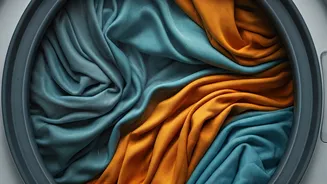
While washing machines offer convenience, they can be quite harsh on fabrics. Implementing a few minor adjustments to your laundry routine can yield substantial benefits for your clothing. Always opt for cold water over hot; it's much kinder to the fibers, helping to prevent colors from dulling. For items with prints or dark hues, turning them inside out before washing offers an extra layer of protection. Whenever possible, select the delicate or gentle cycle on your machine. Crucially, avoid overloading the washing machine. Clothes need adequate space to move freely during the wash cycle; overcrowding leads to excessive friction between garments, accelerating wear and tear.
Detergent Wisely
It's a common misconception that using more detergent equates to cleaner clothes. In reality, excessive amounts of detergent can leave behind a residue on fabrics, leading to a stiff, dull appearance over time. Adhere to the recommended dosage on your detergent packaging, or even consider using slightly less. Opting for a milder detergent formula is also beneficial, as these are generally gentler on your clothes and more environmentally friendly, reducing the chemical load on waterways.
Air-Dry Advantages
Clothes dryers are efficient for saving time, but their intense heat can be detrimental to your garments. The high temperatures can cause shrinkage, weaken fabric fibers, and contribute to premature fading of colors. Air-drying presents a far superior alternative. Utilize a clothesline or a drying rack to let your garments dry naturally. Although it might require a bit more patience, the preservation of your clothes' quality will be well worth the wait. For heavier items like sweaters, it's advisable to lay them flat to dry rather than hanging them, which can lead to stretching and distortion of their shape.
Smart Storage Solutions
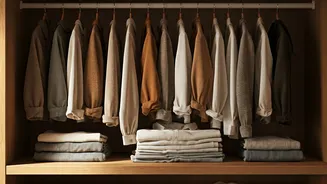
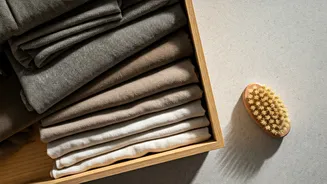
The way you store your clothing plays a more significant role in its longevity than many people realize. Heavy knitted garments, such as sweaters, should be folded rather than hung to prevent them from stretching out of shape due to their weight. For items like shirts and dresses, investing in good quality hangers can provide better support and prevent damage. It's also essential to avoid cramming your closet to its capacity; your clothes need a bit of breathing room to maintain their form. Furthermore, ensure your wardrobe space is kept clean and dry, as moisture can lead to unpleasant odors and, over extended periods, can damage fabric integrity.
Timely Repairs Matter
Small issues like a loose button, a minor tear, or a malfunctioning zipper might seem insignificant, but neglecting them can escalate into more substantial problems. Developing proficiency in basic garment repairs can dramatically extend the life of your clothing. Reattaching a button or mending a small rip is a quick process that can add months, or even years, to a garment's wearability. For more complex repairs that are beyond your immediate skill set, seeking assistance from a local tailor is often a cost-effective solution that can salvage your favorite pieces.
Immediate Stain Treatment
The longer a stain remains on fabric, the more challenging it becomes to remove effectively. Addressing spills and marks as soon as they occur is crucial for successful stain removal. Often, simple remedies like rinsing with plain water or using a small amount of mild soap can be sufficient. It's important to remember to blot or dab at stains rather than rubbing vigorously, especially when dealing with delicate materials, as aggressive scrubbing can damage the fabric fibers and set the stain deeper.
Wardrobe Rotation
It's natural to gravitate towards a few favorite outfits, but constantly wearing the same items can accelerate their wear and tear. Incorporating a bit more variety into your clothing choices by rotating through your wardrobe can make a significant difference. Allowing your clothes a rest period between wears gives the fabric fibers a chance to recover and relax, which ultimately contributes to their longevity and helps maintain their original shape and quality.
Fabric Awareness
Different textile types require distinct care approaches. While materials like cotton are generally robust and easy to manage, fabrics such as wool and silk demand more delicate attention. Some synthetics or blends might not withstand machine washing well and are better suited for hand washing. You don't need to be a textile expert, but taking a moment to check the care label on your garments before washing provides essential guidance for proper upkeep and ensures you're treating each fabric appropriately.
Mindful Purchasing
While this might not seem like direct clothing care, it's an integral part of a sustainable wardrobe strategy. Investing in clothing that is well-constructed inherently leads to longer-lasting garments. This doesn't necessarily mean spending a fortune; focus on indicators of quality such as sturdy stitching, durable fabrics, and versatile designs that you will genuinely wear frequently. While trendy pieces may quickly fall out of fashion, well-made basics tend to remain stylish and functional for many years, representing a more sustainable approach to fashion consumption.