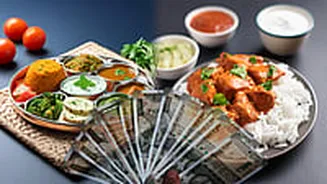








March Thali Price Analysis
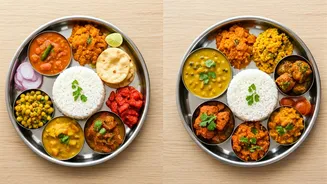
In March 2026, the expense of putting together a home-cooked non-vegetarian thali experienced a slight decrease of 1% when compared to the previous year.
Simultaneously, the cost associated with vegetarian meals remained static, showing no change over the same period. This divergence in pricing is largely attributed to a complex interplay of ingredient costs. While certain essential items like onions, potatoes, and pulses became more affordable, the rising prices of tomatoes, edible oil, and fuel exerted upward pressure on overall food expenses. The findings, detailed in Crisil's Roti Rice Rate report, are derived from input price assessments conducted across India's northern, southern, eastern, and western regions, offering a comprehensive view of how these economic fluctuations impact the average household's food budget. The report specifically identified cereals, broiler chickens, and various spices as key components influencing these monthly price variations.
Tomato and Onion Price Dynamics
A significant factor contributing to the stable cost of vegetarian thalis was a substantial surge in tomato prices, which escalated by 33% year-on-year, reaching Rs 28 per kg in March 2026 from Rs 21 per kg in March 2025. This price hike stemmed from delayed agricultural activities in major tomato-producing states like Karnataka and Andhra Pradesh, which hampered crop development and the timely availability of produce in the market. Conversely, onion prices saw a notable decrease of 25% year-on-year. This decline was fueled by an oversupply situation resulting from the overlap of late kharif and rabi harvests, combined with sluggish export demand. Consequently, farmers faced distress sales due to the limited shelf life of the late kharif onion varieties. These opposing trends in the prices of two crucial thali ingredients illustrate the intricate market forces at play.
Potato, Oil, and Fuel Influences
Further contributing to the shifting thali costs, potato prices recorded a 13% drop on a year-on-year basis. This reduction was primarily influenced by weaker demand from the hospitality sector, including hotels and restaurants, alongside efforts to liquidate existing stock. However, the overall moderation in thali expenses was somewhat tempered by an increase in the cost of essential commodities like vegetable oil and cooking fuel. Global supply chain disruptions led to a 6% rise in vegetable oil prices, while liquefied petroleum gas (LPG) cylinder costs increased by 14%. These upward pressures on cooking essentials played a role in limiting the extent of the decline observed in the non-vegetarian thali costs, demonstrating how various factors interact to shape household food expenditures.
Broiler Prices and Monthly Shifts
The primary driver behind the 1% reduction in the cost of non-vegetarian thalis was a 2% decrease in broiler prices compared to the previous year. This was particularly impactful as broiler chicken constitutes approximately 50% of the cost of a non-vegetarian meal, and it was measured against a relatively high price base from the preceding year. On a month-on-month comparison, both vegetarian and non-vegetarian thalis experienced a decrease in preparation costs, with vegetarian thalis falling by 3% and non-vegetarian thalis by 2%. This more immediate shift was largely influenced by a 6% month-on-month decline in the prices of tomatoes and potatoes, and a more pronounced 14% drop in onion prices. Pulse prices also followed this downward trend, decreasing by 6% due to robust opening inventories.
Pulse Inventory Impact
The downward movement in pulse prices was significantly influenced by increased stock levels. For Tur dal, inventories for the July-June marketing year were estimated to be 20% higher, while Bengal gram stocks for the January-December marketing year were approximately 10% higher for the current season. These substantial carry-over stocks exerted considerable downward pressure on pulse prices, making them a more affordable component in home-cooked meals. The abundance of these key protein sources contributed to the overall decline in the cost of preparing thalis, especially when considered alongside the falling prices of other staples. This highlights the crucial role of supply dynamics and inventory management in influencing everyday food costs for consumers.