






Physical Appearance Clues
While both cranes and storks share a similar tall, slender silhouette with long legs and necks, subtle yet significant physical differences set them apart.
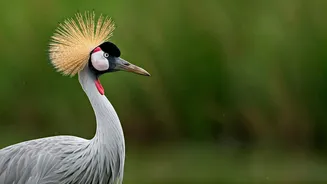
Cranes tend to have a sleeker build, characterized by a more upright posture and necks that are typically held straight, both when standing and in flight. Their bills are often more delicate and pointed. In contrast, storks present a bulkier physique. They possess heavier, longer bills and their necks, while long, often appear more curved, especially when at rest. A notable distinction is the head: cranes often display bare, red skin or a distinctive crown, whereas storks usually have fully feathered heads. Although both stand tall on long legs, the overall impression is that cranes exude elegance and refinement, while storks appear more robust and substantial. The way they carry their necks—straight and extended for cranes versus curved or tucked for storks on the ground—is a primary visual cue.
Size and Wingspan Insights
When observing these magnificent birds, their size and wingspan can offer further clues to their identity. Cranes are generally renowned for their impressive wingspans, often ranging from 5.5 feet to over 8 feet, with species like the Sarus crane being among the tallest of all flying birds. This significant wingspan contributes to their majestic aerial presence. Storks, while still large birds, typically have wingspans between 5 and 7.5 feet, although some species, like the Marabou stork, can reach sizes comparable to certain cranes. In terms of overall height and stature, cranes often appear more towering and upright, giving them an advantage in height perception. Storks, on the other hand, may seem more solidly built and heavier. While individual species vary in size, cranes are generally recognized for claiming the height advantage, making them stand out prominently in their habitats.
Behavioral Contrasts Observed
The behavioral patterns of cranes and storks provide a fascinating contrast, revealing different social dynamics and communication styles. Cranes are celebrated for their elaborate social interactions, particularly their famous courtship dances. These dances involve intricate movements like bowing, leaping, and even tossing objects, often performed to secure lifelong mates. They are also quite vocal, frequently engaging in loud duets with their partners, their calls echoing across landscapes. Storks, by contrast, are generally much quieter birds. Instead of vocalizations, they often communicate through bill clattering, a sharp, percussive sound. While cranes may gather in large flocks, especially during migration, storks tend to forage individually or in smaller groups. Their feeding strategies are also distinct; cranes engage in passionate displays, whereas storks tend to be more practical hunters, focusing on their prey in shallow waters.
Flight and Diet Differences
The way cranes and storks take to the air and what they consume further differentiate these species. In flight, cranes typically exhibit a steady wingbeat, often flying in distinct V-formations, with their necks held straight and forward. They are known to let out resonant trumpeting calls while airborne. Storks, on the other hand, often prefer to glide, utilizing thermals to soar effortlessly and silently through the sky. Their flight appears more buoyant and less energetic than that of cranes. The dietary habits also vary considerably. Cranes have a more omnivorous diet, feeding on a mix of seeds, roots, insects, and small amphibians like frogs. Storks, however, lean towards a more carnivorous diet, primarily consuming fish, reptiles, and small mammals found in shallow aquatic environments. Some storks are also known to be opportunistic scavengers.
Nesting Habits Explored
The nesting preferences and practices of cranes and storks offer yet another key distinction. Cranes typically opt for ground-level nesting sites, choosing sheltered locations within wetlands. They usually lay one to two eggs, and both parents are fiercely protective and involved in guarding their clutch. Storks, in contrast, construct large, substantial nests that are usually elevated. They build these nests in trees, on cliffs, or even on rooftops, and they often reuse and expand these structures over time, leading to nests that can weigh hundreds of pounds. Storks typically lay a larger clutch of 2 to 5 eggs. While cranes tend to defend their nesting territories boldly from the ground, storks choose their safer, elevated vantage points. This difference in nesting strategy highlights their contrasting approaches to safety and territoriality.