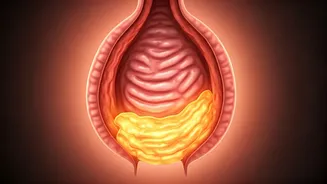







Why Summer Worsens Bloating
Hot weather brings about several physiological and lifestyle changes that can amplify bloating. A primary culprit is dehydration; as we sweat more, our
bodies instinctively try to retain water, which can manifest as bloating if fluid intake isn't replenished adequately. Furthermore, summer often ushers in dietary shifts, with an increased consumption of seasonal fruits, vegetables, beans, and lentils. While healthy, these foods can produce gas, especially if consumed in larger quantities or if the digestive system isn't accustomed to them. The allure of cold, fizzy beverages for immediate cooling also contributes significantly, as the carbonation introduces excess air into the digestive tract. In addition to diet, eating habits can play a role; a more relaxed summer pace might encourage faster eating, leading to increased air swallowing. Finally, certain summer delicacies, like heavily seasoned or spicy dishes, can irritate the stomach lining, exacerbating digestive discomfort.
Hydration is Key
Maintaining optimal hydration is the cornerstone of preventing summer digestive issues. It's crucial to consistently drink ample water throughout the day, aiming for small, frequent sips rather than large volumes at once, especially immediately after meals. Beyond plain water, infused options like cucumber or mint-infused water, and natural choices like coconut water, are excellent for replenishment without added sugars. It's equally important to be aware of beverages that can lead to dehydration, such as those high in sugar content and excessive caffeine. These drinks can counteract your hydration efforts. Therefore, prioritizing water and other low-sugar alternatives is paramount for keeping your digestive system functioning smoothly and preventing water retention that leads to bloating during the warmer months.
Smarter Eating Choices
Navigating seasonal delights requires a mindful approach to diet. While embracing summer's bounty, it's advisable to moderate your intake of foods known to cause gas, such as beans, lentils, and cruciferous vegetables. Introducing new or potentially problematic foods should be done gradually to allow your digestive system to adapt. Incorporating easily digestible items like yogurt, bananas, and well-cooked vegetables can aid in smoother digestion. Probiotic-rich foods, like fermented dairy products, are also beneficial as they support a healthy gut microbiome, which is essential for efficient digestion. When dining out or sampling street food, exercise caution. Opt for simpler preparations and ensure food is freshly prepared. Avoiding raw or undercooked items, mayonnaise-based salads, and uncovered snacks that may have been exposed to heat is also recommended to prevent food-borne illnesses and digestive upset.
Mindful Eating & Activity
Cultivating mindful eating habits is essential for minimizing digestive discomfort, particularly in the heat. This involves chewing your food thoroughly and eating at a relaxed, unhurried pace, which significantly aids the digestive process and reduces the amount of air swallowed. Large meals can overload the stomach, so opting for smaller, more frequent meals throughout the day is generally more beneficial than consuming heavy portions. Furthermore, incorporating gentle, regular exercise, such as walking or swimming, can help stimulate the digestive system and alleviate bloating. However, it's advisable to avoid strenuous workouts immediately after a substantial meal. Paying close attention to your body's signals and identifying specific foods that trigger bloating through practices like keeping a food diary can empower you to make more informed dietary choices.
When to Seek Help
While occasional bloating is a common summer experience, certain persistent or severe symptoms warrant professional medical attention. If you notice ongoing bloating that is accompanied by unexplained weight loss, significant abdominal pain, drastic changes in your bowel habits, or the presence of blood in your stool, it's crucial to consult a doctor. These signs could indicate an underlying medical condition that requires a thorough diagnosis and appropriate treatment plan. Similarly, if digestive discomfort is accompanied by a fever, immediate medical advice should be sought, as this could signal an infection. By understanding these warning signs and not hesitating to seek expert medical guidance when necessary, you can ensure your digestive health is prioritized throughout the summer and beyond.