







Breakfast: Fuel Your Day
Starting your day with a nutritious breakfast is crucial for weight loss. The plan emphasizes including protein, complex carbohydrates, and healthy fats
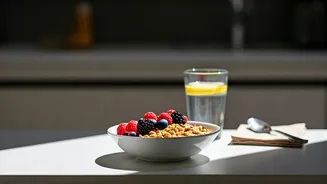
in your morning meal. Consider options like oatmeal with berries and nuts, a protein shake with fruits and vegetables, or eggs with whole-wheat toast and avocado. The key is to choose foods that keep you feeling full and energized throughout the morning, preventing overeating later in the day. Proper breakfast consumption helps to stabilize blood sugar levels, reducing cravings for unhealthy snacks and promoting a sense of satiety, thereby supporting weight loss. Avoid processed cereals loaded with sugar and focus on whole, unprocessed ingredients. This approach sets a positive tone for the entire day, encouraging healthier food choices overall. Ensure that your breakfast contains a balance of macronutrients, including protein, carbohydrates, and healthy fats, to support energy levels and overall well-being. This will keep you satisfied until lunchtime.
Lunch: Balanced and Satisfying
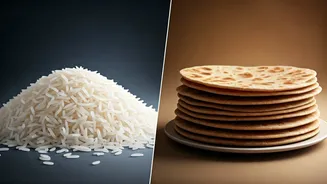
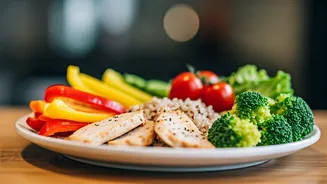
Lunchtime provides another opportunity to make smart choices. The weight loss diet plan suggests focusing on a balanced meal composed of lean protein, non-starchy vegetables, and complex carbohydrates. Opt for grilled chicken or fish, a large salad with a variety of colorful vegetables, and a side of quinoa or brown rice. Consider preparing your lunch at home to control portion sizes and ingredients, thereby reducing your intake of unhealthy fats, sodium, and calories. Including a generous portion of vegetables ensures you get essential vitamins, minerals, and fiber, contributing to satiety and aiding in weight loss. Remember to stay hydrated by drinking plenty of water, as it can help you feel full and support your metabolism. Avoiding processed foods, sugary drinks, and excessive amounts of fats will improve your outcomes. Make lunch a sustainable routine and try to schedule lunch at roughly the same time everyday for maximum benefits.
Dinner: Light and Nutritious
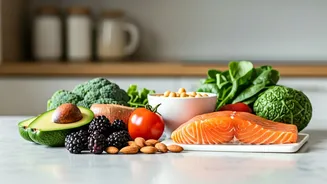
Dinner should be a lighter meal, focusing on lean protein, vegetables, and a small serving of healthy fats. The diet plan recommends grilled or baked chicken or fish with a large serving of steamed or roasted vegetables. You can also include a small portion of healthy fats, such as a tablespoon of olive oil or a quarter of an avocado. Avoid heavy sauces, excessive amounts of salt, and processed foods. Dinner should be consumed at a reasonable hour to allow your body time to digest before sleep. Consider preparing your dinner in advance to save time and reduce the temptation to order takeout. By controlling what you eat at dinner, you're setting yourself up for success and better sleep at night. Focus on whole, unprocessed foods and prioritize lean proteins and non-starchy vegetables. This will contribute to your overall health while supporting your weight loss goals.