



Embrace Smart Outdoor Design
Creating a captivating outdoor space doesn't always require a hefty budget or extensive renovations. Many designers advocate for thoughtful planning and
strategic choices to maximize both aesthetics and utility. They often emphasize the importance of defining distinct zones within the backyard, such as areas for dining, lounging, and entertaining, to enhance functionality and flow. This approach ensures that the space caters to various activities, making it more inviting and practical for everyday use. Considering the scale of furniture and decor in relation to the overall backyard size is also crucial; oversized items can make even large patios feel cramped, while too little can leave the area feeling sparse and empty. The goal is to achieve a balanced and harmonious environment that feels both spacious and intimate.
Thrifty Decor Treasures
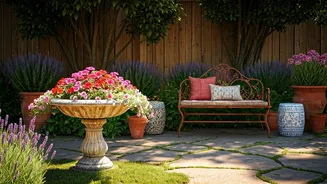
Seasoned designers often possess a keen eye for spotting potential in pre-loved items, and their own backyards are no exception. Even when working with high-end clients, they frequently turn to thrift stores and vintage markets for unique pieces that add character and personality. For outdoor spaces, look for items like weathered wooden benches, antique planters, or charming garden statues that can lend an established, curated feel. These affordable finds can instantly elevate the ambiance, providing a sense of history and individuality that mass-produced items often lack. Think about incorporating elements that are both visually appealing and durable enough to withstand the elements, such as cast-iron furniture, ceramic pots, or repurposed metal accents. These pieces not only save money but also contribute to a more sustainable and distinctive design aesthetic.
Avoiding Outdoor Eyesores
Certain features and decor choices can detract from a beautiful outdoor setting, often becoming visual clutter that designers consistently advise against. For instance, overly gaudy or mismatched garden gnomes, broken or poorly maintained furniture, and excessive, untidy storage solutions are common culprits. Designers also point to issues like poorly planned landscaping that overwhelms the space or, conversely, completely barren areas that feel neglected. When it comes to front porches, features like overflowing mailboxes, haphazardly placed doormats, or cluttered entryways can create a negative first impression. The key is to maintain a sense of order and intentionality, ensuring that every element contributes positively to the overall curb appeal and welcoming atmosphere of the home.
Strategic Layout and Comfort
To ensure a backyard is a genuine retreat, designers focus on creating comfortable and usable zones. This involves carefully considering the placement of seating, dining areas, and pathways. A common mistake is neglecting to create enough usable surface area, leading to awkward transitions or a lack of defined spaces. For instance, a patio might feel empty not because of a lack of items, but due to poor arrangement. Designers suggest defining these areas with rugs, planters, or low walls to give them structure. Furthermore, incorporating elements that promote relaxation and enjoyment, such as comfortable seating, adequate shade, and perhaps even a water feature, is paramount. Even for smaller spaces, clever arrangements can make a significant difference, transforming a basic patio into a functional and inviting extension of the home.
Budget-Friendly Transformations
Elevating your outdoor space doesn't demand a fortune; many impactful makeovers are surprisingly affordable. Designers often recommend focusing on high-impact, low-cost strategies. This can include strategic painting, for example, giving tired fences or furniture a fresh coat of vibrant color. Adding soft furnishings like outdoor cushions and throws can instantly enhance comfort and style. Consider DIY projects for elements like gravel pathways, simple fire pits, or vertical gardens to add visual interest and functionality without breaking the bank. Even minor landscaping updates, such as adding a few well-chosen plants or mulching existing beds, can make a dramatic difference. The emphasis is on smart, targeted improvements that create a significant visual and functional upgrade.