




A Taste of Tradition
Actress Sudha Chandran shared insights into her distinct eating preferences, highlighting a deep affection for South Indian fare. She revealed that her culinary
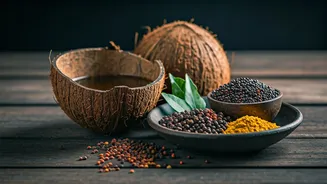
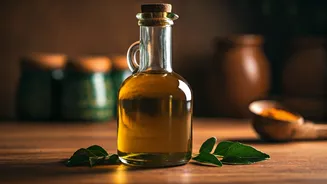
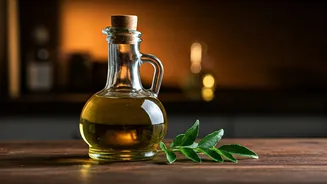
choices have significantly influenced her husband, Ravi Dang, a Punjabi by background. Chandran mentioned her enjoyment of dishes like 'avial' and her consistent use of coconut oil in her cooking. She humorously noted that her husband initially had little familiarity with coconut oil, a staple in her upbringing. Recalling their visits to her hometown in Kerala after their marriage, Chandran recounted her husband's initial bewilderment at local delicacies such as 'Puttu Kadala'. However, he soon developed a fondness for these dishes, including 'appam' and 'olan'. A notable incident involved his difficulty with puris that were fried in coconut oil, a stark contrast to his usual culinary experiences. Chandran emphasized that Kerala, being a hub of diverse spices, offers significant nutritional advantages, contributing positively to one's well-being and dietary intake.
Coconut Oil: A Culinary Deep Dive
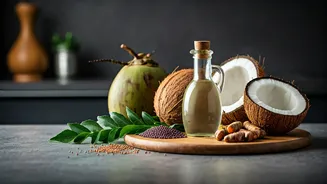
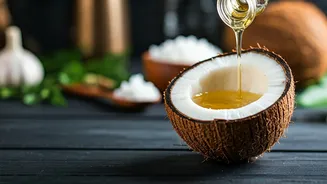
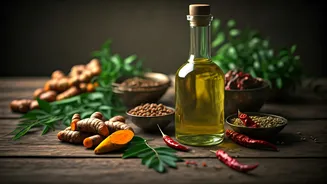
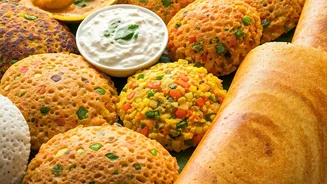
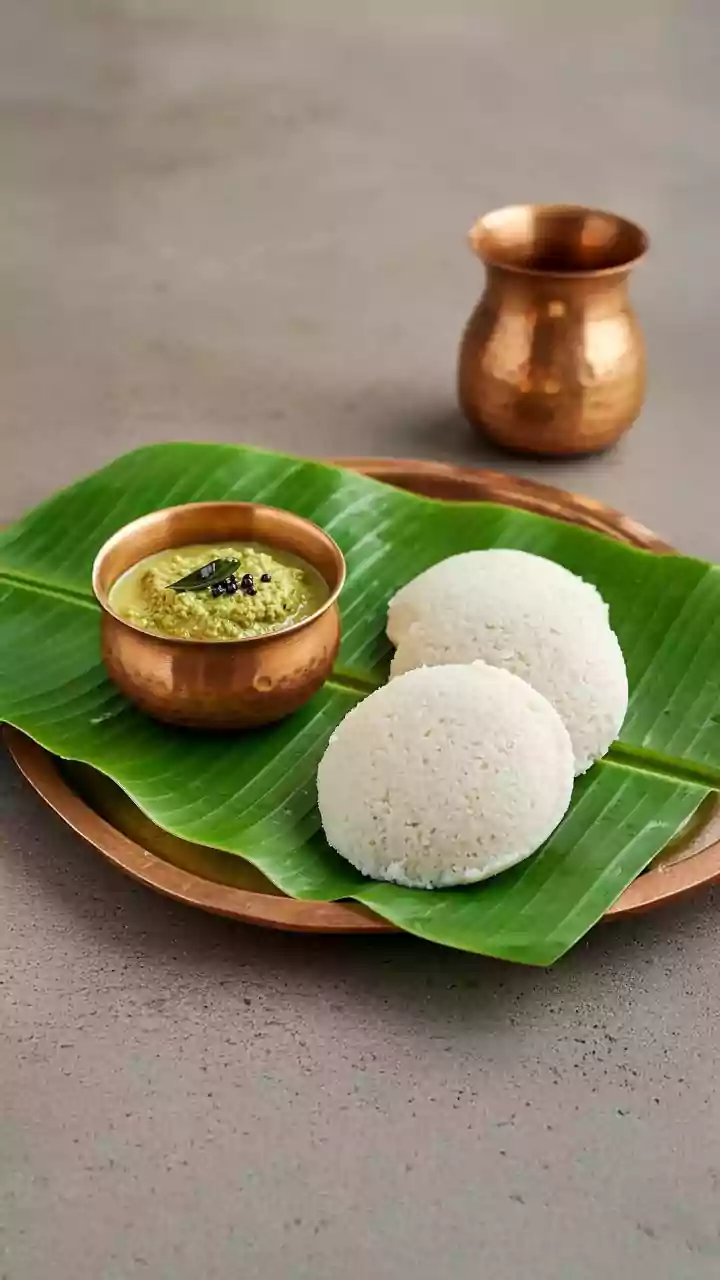
We consulted Dt Amreen Sheikh, Chief Dietitian at KIMS Hospitals, Thane, to understand the role of coconut oil in cooking. Coconut oil has a long-standing presence in South Indian kitchens, largely due to its composition of medium-chain triglycerides (MCTs). These fats are metabolized differently, offering a quick source of energy. However, Sheikh cautioned that coconut oil is a saturated fat, and moderation is key. Small amounts used in traditional recipes are generally acceptable for healthy individuals, provided the overall diet is well-rounded and rich in fiber, vegetables, lentils, and whole grains. Issues arise from excessive consumption or when total fat intake is already high. A typical balanced South Indian meal, including items like idli or dosa, sambar, rasam, vegetable poriyal, curd, and rice, offers benefits like gut health support through fermentation, protein from lentils, and fiber from vegetables. The critical factors remain portion control and the cooking methods employed. Deep-fried items, excessive consumption of refined rice, and overuse of oil can disrupt the nutritional balance, underscoring that the preparation and quantity are more significant than the cuisine itself.
Balancing Health & Heritage
The question of whether coconut oil contributes to weight gain or heart issues was addressed by Dt Sheikh. She clarified that weight gain is primarily a consequence of an overall calorie surplus rather than a single ingredient. Due to its calorie density, frequent and generous use of coconut oil can indeed contribute to increased calorie intake. For individuals with pre-existing high cholesterol levels or a family history of heart disease, exercising caution with coconut oil is advisable. Sheikh suggested rotating cooking oils, incorporating options like groundnut, sesame, or mustard oil, to promote a varied fat profile. This diversification can be beneficial for overall cardiovascular health. Her advice for those wishing to maintain their cultural eating habits while staying fit is encouraging: there's no necessity to discard traditional foods. Culturally significant diets are often more sustainable in the long run. The focus should be on mindful portion sizes, increasing protein intake through dals and curd, incorporating more vegetables into every meal, and limiting fried side dishes. Achieving health does not necessitate abandoning one's heritage; rather, it calls for balance and conscious awareness of dietary choices.