




The Paper Bag Advantage
As the summer sun intensifies, the challenge of preserving mangoes becomes a common concern for fruit enthusiasts. Fortunately, a readily available item
– the paper bag – offers an elegant and effective solution. These bags provide a breathable environment that is crucial for managing the ripening process of mangoes, which are quite sensitive to heat and humidity. Unlike their plastic counterparts, paper bags allow for necessary air circulation, preventing the buildup of excess moisture that can lead to premature spoilage and a less desirable texture. This natural ventilation helps to regulate the release of ethylene gas, a key component in the fruit's ripening journey, ensuring a more even and controlled maturation. By choosing paper, you opt for a method that is not only eco-friendly and biodegradable but also remarkably adept at keeping your mangoes tasting their best during the hottest months.
Ripening Raw Mangoes
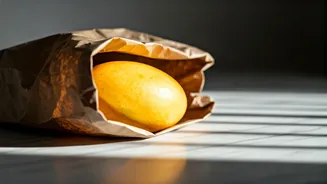
For those cherished green mangoes that need a little nudge towards ripeness, a paper bag serves as an excellent facilitator. Simply place the firm, raw mangoes inside a paper bag and gently fold the top closure without sealing it completely. This creates a micro-environment where the natural ethylene gas released by the fruit can accumulate to a degree that encourages ripening, but not so much that it causes rapid decay. It's important to store these bags at room temperature, crucially away from any direct sunlight, which can prematurely warm the fruit and lead to uneven ripening or a mushy consistency. This method mimics a natural ripening process, ensuring your mangoes develop their full flavor and sweetness without the need for artificial interventions or the risk of becoming waterlogged, a common issue when storing in sealed plastic.
Managing Near-Ripe Fruit
When your mangoes have begun their transformation, showing hints of yellow but not yet reaching peak ripeness, paper bags can be used to extend their perfect state and prevent them from becoming overly soft too quickly. In this scenario, place the almost-ripe mangoes into a loosely folded paper bag. The key here is to then move this bag to a cooler location within your kitchen. This strategic placement, combined with the bag's breathability, helps to control the humidity surrounding the fruit. By allowing air to circulate, it prevents excessive moisture from condensing on the mangoes, which is a primary cause of softening and potential spoilage. This controlled environment helps to slow down the ripening process just enough, ensuring you have a window of opportunity to enjoy them at their ideal stage.
Combating Kitchen Humidity
High humidity levels in kitchens, especially during monsoon season or exceptionally warm weather, can significantly accelerate mango spoilage. To counteract this moisture-rich environment, a simple yet effective preparation can be made before storing mangoes in paper bags. Line the interior of your chosen paper bag with a clean tissue or a sheet of paper towel. This absorbent layer acts as a barrier, diligently soaking up any excess moisture that might develop around the fruit. By minimizing condensation and keeping the mangoes dry, you greatly reduce the risk of mold formation and the development of that undesirable, overly soft texture. This extra step is particularly beneficial for ensuring the longevity and quality of your mangoes on damp or extremely humid days.
Bulk Batches and Uneven Ripening
When purchasing mangoes in larger quantities, it's quite common for them to ripen at different rates, leading to some fruits becoming overripe while others are still firm. If you notice one mango in a batch starting to soften considerably faster than its companions, it's advisable to separate it. Place this quickly ripening mango into its own individual paper bag. This isolation technique is beneficial because it limits the exposure of the other mangoes to the higher concentration of ethylene gas being released by the faster-ripening fruit. By managing the ripening process of each mango more independently, you gain better control over the entire batch, allowing you to enjoy your mangoes over a longer period without wastage.
Brief Storage of Cut Mangoes
Even for cut mangoes, paper bags can offer a useful short-term storage solution before refrigeration. If you find yourself with leftover pieces of mango, wrap them loosely in parchment paper or place them inside a small paper bag before putting them into the refrigerator. While airtight containers are generally recommended for longer-term storage of cut fruits, using a paper bag for a brief period can help mitigate some of the condensation issues that occur in colder environments. This method helps to reduce the fruit from becoming excessively watery or losing its desirable texture during the short time it remains in storage before consumption.
Storage Mistakes to Avoid
While paper bags are a forgiving storage medium for mangoes, a few common pitfalls can still lead to premature spoilage. It is absolutely crucial to avoid sealing or taping the paper bag completely shut; ample airflow is paramount for proper ripening and preservation. Overcrowding the bag by stuffing too many mangoes into a single container can also hinder air circulation and lead to uneven ripening. Furthermore, ensure that the paper bags are kept away from direct heat sources, such as ovens, radiators, or sun-drenched windowsills, as this will accelerate spoilage. Lastly, never use paper bags that are already damp or have grease stains, as these conditions can encourage mold growth and negatively impact the quality of your fruit.