




Generous Bathtubs for All
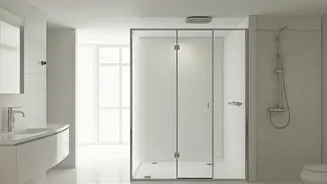
When planning for long-term family needs, prioritize at least one bathroom that accommodates a generously sized bathtub. Remodeling professionals suggest
opting for tubs that are 34 or 36 inches wide, a step up from the standard 32 inches, to ensure ample space for bathing young children. While avoiding a typical tub-and-shower combination, a tiled surround tub offers a more sophisticated aesthetic and the advantage of built-in storage niches. These niches can be strategically placed at varying heights, providing easy access for little ones and convenient storage for adults, making the bathroom functional across different age groups and ensuring it remains stylish as your children grow.
The Power of Built-Ins
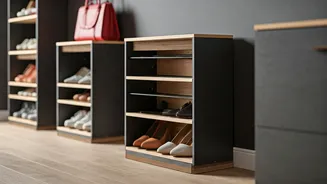
For enhanced safety and adaptability, built-in cabinetry and shelving are invaluable. Instead of worrying about anchoring furniture to walls, built-ins offer a secure and integrated storage solution that evolves with your family. What might start as a play area for toddlers near the kitchen can transform into a versatile storage space for books, gaming consoles, and other items as children mature. General contractors highlight the utility of built-ins in main living areas, capable of housing toys for young children and later accommodating the changing interests of older kids and teenagers. This approach provides practical storage that seamlessly adapts to different life stages.
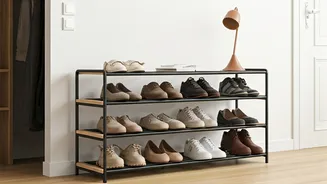
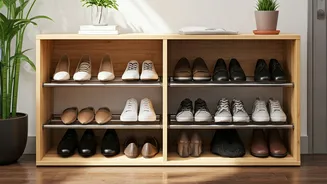
Open Mudroom Design
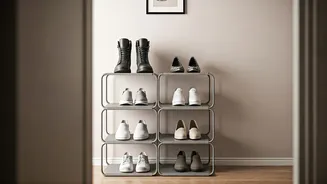
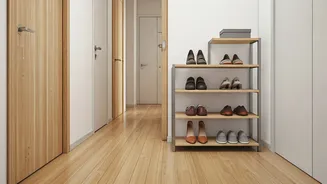
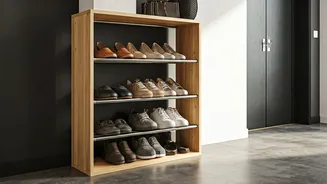
Consider replacing traditional coat closets with open mudroom areas featuring hooks and shelves. This design simplifies the process for children to manage their belongings, encouraging tidiness as they can easily hang coats, backpacks, and sporting equipment. The versatility of hooks extends to adults as well, accommodating outerwear and bags. Furthermore, wall hooks generally occupy less space than enclosed closets, making this an efficient solution for homes of any size. This open system promotes self-sufficiency and organization for all family members, adapting easily to varying needs.
Kid-Friendly Kitchens
Even in non-open-concept homes, prioritizing an open kitchen layout or incorporating a kid-friendly zone is highly recommended. This design allows parents to supervise children's activities while cooking, fostering a connected family environment. As children grow, the kitchen naturally becomes a central hub for homework, conversations, and shared meals. An added safety feature for evolving families is an induction stovetop, which significantly reduces the risk of burns by remaining cool to the touch until a pot or pan is placed upon it, offering peace of mind for all ages.
Embrace Rounded Edges
Mitigate the risk of bumps and injuries by opting for rounded edges on furniture and countertops. Requesting 'eased' edges on kitchen counters provides a subtle softening, enhancing safety without compromising aesthetics. This principle extends to living spaces; replacing sharp-cornered coffee tables with oversized ottomans offers a safe surface for young children learning to stand and walk. As they grow, these pieces remain functional and visually appropriate, eliminating the need for constant replacements and ensuring a safer environment throughout childhood.
Adjustable Closet Systems
Accommodate changing needs with adjustable closet systems that can be modified over time. Unlike fixed shelving, adaptable systems allow for customization, ensuring optimal storage as children's clothing and belongings evolve. This flexibility is beneficial not only for children but also for accommodating guests as families transition to empty nesters. Furthermore, such versatile systems can enhance a home's appeal to potential buyers when it's time to sell, offering a practical and forward-thinking solution for long-term living and eventual resale.
Soundproofing Solid Doors
Upgrade hollow-core interior doors to solid-core alternatives for improved sound insulation. This seemingly simple change can make a significant difference in managing noise levels, particularly when trying to create a quiet environment for napping infants. The benefits extend to older children and teenagers, effectively muffling sounds from music, movies, or gaming sessions. For enhanced noise reduction, consider adding baffling to living areas, which can minimize disruptive play noise in the short term and later serve as a buffer for teen hangout spaces, ensuring peace throughout the house.