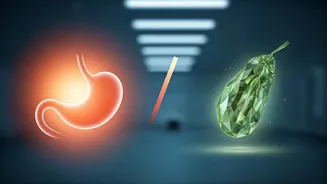



Confusing Digestive Discomfort
Many individuals experience burning sensations or discomfort in their stomach after meals, often attributing it solely to acidity. However, this common
assumption can mask a more significant underlying issue: a problem with the gallbladder. When gallstones or inflammation affect this small organ, the symptoms can closely mimic those of gastroesophageal reflux disease (GERD) or indigestion, leading to widespread confusion. This overlap in symptoms is a primary reason why people may delay seeking appropriate medical care or resort to self-treatment. Recognizing the subtle distinctions is paramount for timely intervention and to prevent potential complications that could arise from an unaddressed gallbladder condition.
Pinpointing Pain's Origin
A crucial differentiator between acidity and gallbladder issues lies in the specific location and character of the pain. According to gastroenterology experts, gallbladder-related pain is typically felt in the upper right quadrant of the abdomen. This discomfort is often described as more intense than typical acidity and has a tendency to radiate, potentially reaching the back and even the shoulder area. In contrast, individuals suffering from acidity usually report more generalized symptoms such as frequent burping, a burning sensation in the upper central abdomen (epigastric region), and bloating, rather than sharp, localized, or radiating pain.
Beyond Basic Discomfort
When the gallbladder becomes infected or inflamed, a condition known as cholecystitis, additional symptoms beyond mere discomfort may manifest. Patients might experience fever, indicating a systemic response to infection. Furthermore, if gallstones have migrated into the common bile duct, symptoms can escalate to include jaundice (a yellowing of the skin and eyes), a significant fever, and severe pain. These signs collectively suggest a more complex condition called cholangitis, which requires immediate medical attention. Biliary pain itself is characterized by episodes of discomfort in the upper right or central abdomen, often occurring after eating, and typically resolves within six hours due to temporary blockages in the cystic duct caused by gallstones.
Treatment Pathways Explored
The definitive approach to managing cholecystitis, or inflammation of the gallbladder, often involves surgical intervention to remove the affected organ. For cases involving stones in the bile duct, a procedure called Endoscopic Retrograde Cholangiopancreatography (ERCP) can be employed to remove these stones, often followed by gallbladder removal. In specific situations, such as when gallstones are less than 1 centimeter in diameter, a medical dissolution therapy using ursodeoxycholic acid (UDCA) may be attempted over a period of six months, though surgery remains the most common and conclusive treatment. The choice of treatment depends on the specific diagnosis and the patient's overall health status.
Why Misdiagnosis Persists
The persistent overlap in symptoms between general dyspepsia (acidity) and gallbladder diseases makes misdiagnosis a common occurrence. This similarity often leads patients to self-medicate or to be treated for acid reflux for extended periods, sometimes even years. Such delays can have serious repercussions, allowing gallbladder conditions to progress and potentially lead to severe inflammation, infections, or other complications that might necessitate emergency surgery. It is imperative to remember that any 'acidity' symptoms that do not respond effectively to standard treatments should not be disregarded. Further diagnostic evaluations, such as an ultrasound, are simple yet highly effective in identifying gallbladder abnormalities.