




Winter Wonderland Unlocked
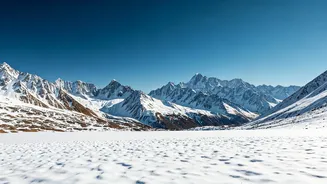
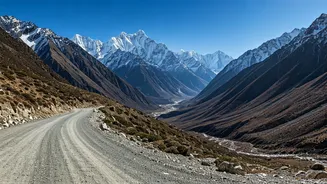
Nature enthusiasts rejoice! The breathtaking Nelong Valley, often likened to the 'Ladakh of Uttarakhand' for its arid, rocky landscapes, is set to welcome
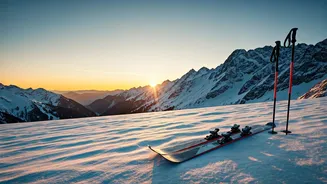
visitors throughout the winter months. Previously inaccessible from November to March due to harsh weather conditions, this stunning region within the Garhwal Himalayas will now remain open year-round. This significant decision, driven by state directives, aims to bolster winter tourism and allow more people to experience its unique allure. The forest department has diligently crafted a plan to ensure all winter activities are conducted safely and in accordance with established operating procedures. This move promises an extended opportunity for travelers to explore the rugged beauty and pristine environment of Nelong Valley, previously a seasonal destination.
Regulated Winter Access Details
To ensure the preservation of Nelong Valley's delicate ecosystem while facilitating winter tourism, strict entry regulations have been put in place. Access will be capped at a maximum of 100 tourists and 20 vehicles per day during the winter season. Visitors wishing to enter will be permitted between 8 am and 11 am, and are required to complete their visit and exit the premises by 5 pm. These measures are designed to manage the flow of visitors, minimize environmental impact, and maintain a serene experience for all. This regulated approach allows for a sustainable model of tourism, ensuring that the valley's natural splendor can be enjoyed by generations to come without compromising its integrity.
Eco-Conscious Tourism Practices
A crucial component of the new tourism policy for Nelong Valley is the strict enforcement of a 'carry in-carry out' mechanism, emphasizing environmental responsibility. To ensure cleanliness and prevent littering, each visiting group will be required to pay a security deposit of Rs 100. This deposit will be fully refunded upon their return, provided they bring back all the waste they generated during their visit. A dedicated 'waste log book' will be maintained at the entry barrier to meticulously track this process. This initiative aims to foster a deep sense of accountability among tourists, encouraging them to actively participate in maintaining the pristine condition of this ecologically sensitive area and its surrounding landscapes.
Fees and Prohibited Activities
To manage operations and further contribute to conservation efforts, specific entry fees have been established for Nelong Valley. Indian tourists will be charged an entry fee of Rs 300 for day visits, while foreign nationals will incur a fee of Rs 1,200. Additional charges will apply based on vehicle categories, and a separate fee will be levied for photography. Importantly, the use of drones for any photography or videography purposes within the valley is strictly prohibited. This regulation is in place to maintain the tranquility of the area and prevent any potential disturbances to wildlife or the natural environment, ensuring a peaceful and undisturbed experience for all visitors.
Valley's Geographic Significance
Nestled close to the China border, Nelong Valley is a vital part of the Gangotri National Park (GNP), which itself stands as India's third-largest national park. The accessible route for tourists spans 30 km, covering the 23 km stretch from Bhaironghati to Nelong and an additional 7 km from Nelong to Naga. This region boasts not only spectacular views reminiscent of the Tibetan plateau but also offers a chance to encounter rare wildlife, including the elusive snow leopard. A significant historical landmark within the valley is the 150-year-old Gartang Gali, a remarkable wooden cliff-hanging bridge constructed by Pathans from Peshawar during the colonial era, which once served as a crucial trade route to Tibet, adding a rich historical dimension to its natural splendor.