





MSME Support Initiatives
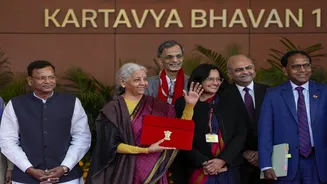
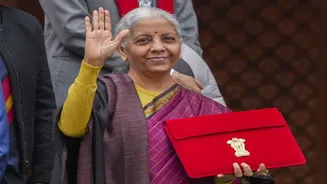
The Union Budget 2026 placed a strong emphasis on empowering Micro, Small, and Medium Enterprises (MSMEs). A significant move was the proposal to top up
the Self Reliance India Fund with an additional Rs 4,000 crore in FY27. This fund, initially introduced in 2023, was designed to inject Rs 50,000 crore in equity funding into MSMEs that showed strong potential for expansion into larger units. Furthermore, the budget highlighted plans to make the Trade Receivables Discounting System (TReDS) a mandatory transaction platform for all purchases from MSMEs by central public sector enterprises. TReDS is an electronic platform that helps facilitate the financing and discounting of trade receivables of MSMEs, providing them with enhanced financial flexibility and access to funds.
Corporate Mitra Cadre
To support MSMEs further, the government announced the development of a cadre of “corporate mitras” in Tier-II and Tier-III cities. These corporate mitras will be instrumental in assisting MSMEs in navigating and meeting their compliance requirements, doing so at affordable costs. The government intends to work with professional institutions such as ICAI (The Institute of Chartered Accountants of India), ICSI (The Institute of Company Secretaries of India), and ICMAI (The Institute of Cost Accountants of India) to design short-term modular courses and practical tools for this cadre. The goal is to provide MSMEs with the necessary support to comply efficiently, reducing administrative burdens and promoting business growth in smaller urban centers.
Textile Sector Boost
The budget also addressed the needs of the textile sector. It proposed an integrated textile program consisting of five sub-parts. This initiative aims to strengthen the textile industry, which has been facing challenges due to high tariffs imposed by the United States. While the specifics of this program were not detailed, it indicates the government’s commitment to supporting this important sector. Further, the budget's attention to the textile industry reflects an understanding of its significance in terms of employment generation and its role in the broader economy. The integrated approach is expected to provide comprehensive support across various aspects of the textile value chain.
Infrastructure Development Focus
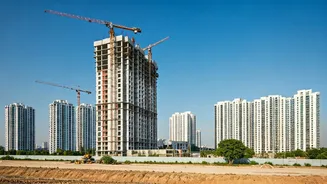
In addition to MSME and textile support, the Union Budget 2026 outlined plans for continued infrastructure development in Tier-II and Tier-III cities. This strategic focus is designed to promote balanced regional growth, enhance connectivity, and create employment opportunities. While specific projects were not immediately detailed, the announcement signals an ongoing commitment to bolstering infrastructure. This is crucial for supporting economic activities, attracting investments, and improving the overall quality of life in these cities. This approach is intended to ensure inclusive growth that benefits the entire nation.