






Trade Deal Unveiled
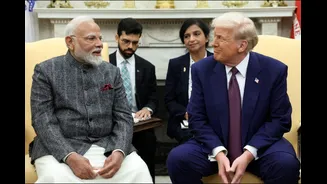
The core of the recent India-US trade agreement lies in the strategic reduction of tariffs on Indian products entering the American market. This accord
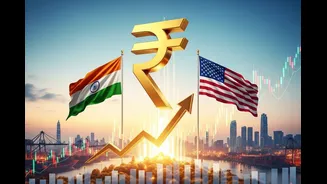
signifies a pivotal moment, as the United States has committed to significantly decrease tariffs on various goods originating from India. Specifically, the previously imposed tariffs of 50% have been substantially cut down to a mere 18%. This strategic move is not merely a technical adjustment; it's a calculated decision with considerable implications. It aims to foster a more favorable environment for trade, potentially leading to an influx of foreign investment and a surge in export volumes. This change has the potential to influence multiple sectors within the Indian economy, thereby creating new possibilities for growth and expansion across various industries. The agreement stands as a testament to the strengthening economic ties between the two nations and sets the foundation for increased collaboration in future endeavors.
Ancillary Stocks in Focus
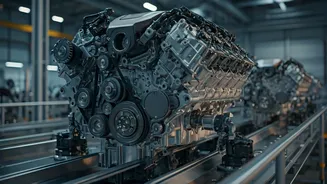
Within the complex framework of this new trade agreement, a particular segment of the Indian market is poised to experience considerable transformation: the auto ancillary sector. Key players like Bharat Forge, SAMIL, and Sona BLW, among others, are now positioned at the forefront. They are anticipated to witness considerable advantages stemming from reduced trade barriers. The reduction in tariffs is expected to streamline the export processes for these companies, thereby enhancing their capacity to compete within the US market. The strategic shift could also draw in foreign investment, injecting much-needed capital to fuel expansion and improve operational efficiencies. Enhanced export capabilities and bolstered investment prospects can provide these auto ancillary firms with the resources required to capitalize on emerging opportunities, thereby stimulating growth and strengthening their influence in the global market. The ripple effects of this deal could stimulate innovation and job creation within the auto industry, bolstering economic growth and fostering a more competitive business environment.
Investment and Expansion
The advantages of this trade agreement stretch beyond the immediate reduction of tariffs. It is also projected to facilitate a more favorable atmosphere for foreign investment. As the trade environment becomes more conducive and the regulatory hurdles are decreased, global investors might show greater interest in the Indian market. This heightened investment could provide Indian companies, particularly in the auto ancillary sector, with the funding required to amplify their production capacity, adopt advanced technologies, and strengthen their global footprint. Furthermore, the enhanced export prospects could motivate businesses to diversify their markets and explore untapped avenues for expansion. These investments will create job opportunities, boost the economy, and enable Indian companies to compete effectively in the global market. Thus, this trade pact serves as a catalyst for a cycle of investment, expansion, and sustained growth for Indian businesses, particularly those engaged in automotive component manufacturing.
Export Math Shifted
The most visible and direct impact of the India-US trade deal lies in the modification of export calculations, favoring Indian businesses. The sharp decline in tariffs, specifically from 50% to 18%, drastically cuts the cost of Indian products entering the US market. This reduction in costs results in a boost in the competitiveness of Indian exports. Companies can now offer their products at more attractive prices, thereby winning over a larger consumer base and expanding their market share within the US. In essence, the new trade dynamics tilt the balance in favor of Indian exporters, providing them with a substantial edge over their international competitors. This shift could lead to an increase in trade volume, generating greater revenue and driving economic growth for Indian businesses. It creates a favorable environment for businesses to enhance their global presence and gain a stronger foothold in the international market, benefiting the overall financial landscape of the nation.