


Parabens: The Preservative Problem
Parabens are widely utilized as preservatives in a vast array of personal care products, from makeup and body washes to shampoos and facial cleansers.
Their primary function is to inhibit the growth of bacteria, mold, and yeast, thus extending product shelf life. However, these compounds possess estrogen-mimicking properties, meaning they can interfere with the body's endocrine system. Research has indicated a potential link between paraben exposure and an increased risk of breast cancer, as these chemicals can be absorbed through the skin. While completely eliminating them might be challenging given their prevalence, opting for natural, organic, or explicitly paraben-free alternatives is a prudent step towards reducing exposure to these potentially harmful substances.
Synthetic Colors: A Petroleum Problem
The vibrant hues in many cosmetics and personal care items often come from synthetic colors, frequently derived from petroleum or coal tar. Look for labels with 'FD&C' or 'D&C' followed by a color and number (e.g., D&C Red 27). While these designations indicate their approved use in food, drugs, and cosmetics, their origins can be concerning. These artificial colorants have been associated with adverse health effects, including a potential link to Attention Deficit Hyperactivity Disorder (ADHD) in children. In fact, their use is restricted or banned in numerous countries due to these concerns. Choosing products that rely on natural ingredients or are certified free from synthetic dyes is a safer bet for avoiding these potentially detrimental chemicals.
Fragrance & Phthalates: Hidden Hazards
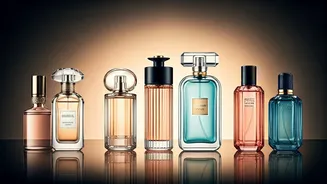
The term 'fragrance' on an ingredient list often acts as a veil, obscuring a cocktail of potentially harmful chemicals. Brands use this umbrella term to mask proprietary blends, which can include numerous undisclosed substances that may trigger allergies, dermatitis, and respiratory issues. Furthermore, phthalates, a group of chemicals primarily used to increase the flexibility and longevity of plastics, are frequently hidden under the guise of 'fragrance.' For instance, dibutyl phthalate is common in nail polish, diethyl phthalate in perfumes, and dimethyl phthalate in hairsprays. These chemicals are notorious endocrine disruptors and have been linked to reproductive health problems and an elevated risk of certain cancers. Prioritizing products from brands that transparently list their ingredients and avoid vague terms like 'fragrance' is essential for safeguarding your health.
SLS/SLES: The Irritating Agents
Sodium Lauryl Sulfate (SLS) and Sodium Laureth Sulfate (SLES) are ubiquitous surfactants found in a staggering 90% of commercially available personal care products. They are responsible for creating lather and providing a cleansing effect in items such as shampoos, body washes, mascaras, and even acne treatments. However, these ingredients can be harsh irritants, causing dryness and sensitivity to the skin, eyes, and respiratory tract. More alarmingly, SLS has the potential to react with other ingredients in a formulation to produce nitrosamines, which are known carcinogens. While their widespread use makes complete avoidance difficult, opting for sulfate-free alternatives and being mindful of product labels can significantly reduce exposure to these potentially damaging chemicals.