






Verona's Ancient Roots
Verona, a captivating city in Italy's Veneto region, offers a compelling travel experience that often goes unnoticed compared to its more famous neighbors
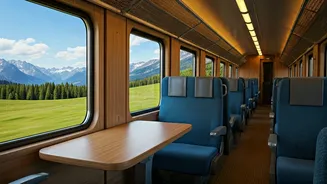
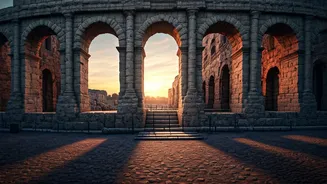
like Venice and Milan. Its strategic location, easily accessible by high-speed train within 90 minutes of both metropolises, and proximity to the picturesque Lake Garda, make it an ideal stop for exploring Northern Italy. The city's history stretches back to antiquity, established by an ancient tribe and later becoming a Roman colony in 89 B.C.E. Evidence of this Roman past is remarkably preserved, earning Verona the moniker "little Rome." Foremost among these remnants is the Arena of Verona, Italy's fourth-largest surviving Roman amphitheater, which continues to be a vibrant venue, hosting the city's esteemed opera festival every summer. The city's narrative is also deeply intertwined with the della Scala (Scaliger) family's reign centuries after the Roman Empire's decline, a period immortalized by Shakespeare's tragic lovers, Romeo and Juliet, whose fictional romance is indelibly linked to Verona's identity and draws visitors from across the globe to its iconic landmarks.
Luxurious Stays
Verona offers a range of exquisite accommodations, from historic grand dames to contemporary boutique hotels. Hotel Due Torri, a 14th-century establishment, embodies timeless elegance and served as a favored lodging for opera legend Maria Callas, who particularly cherished a suite with a balcony for greeting her admirers. As a member of the Leading Hotels of the World, it boasts period furnishings and fine art, with a rooftop restaurant providing a popular setting for summer dining. For those seeking modern luxury with a view, Vista Verona, situated in the Centro Storico, offers panoramic vistas of Verona's archaeological sites from its rooftop terrace, as recommended by locals. Alternatively, the Byblos Art Hotel Villa Amistà, located a short drive from the city center, resides within a grand 16th-century villa surrounded by five acres of gardens. Its interior is a striking fusion of vibrant, contemporary art and colorful furnishings set against the historic architecture, complemented by amenities like an outdoor pool, a spa, and a gourmet restaurant offering tasting menus.
Unforgettable Attractions
Verona is brimming with attractions that appeal to history buffs, romantics, and art enthusiasts alike. The Casa di Giulietta, or Juliet's House, remains a highlight, drawing crowds to its famous balcony and courtyard. Inside, visitors can find a statue of the literary heroine, ceramics from Verona, and artworks inspired by the legendary love story, including the notable bed from Franco Zeffirelli's 1968 film. A visit to the Arena di Verona is essential, not just for its historical significance as an imposing Roman amphitheater comparable to the Colosseum, but also for experiencing the world's largest outdoor opera season, which attracts over 600,000 spectators annually with its exceptional acoustics and grand stage productions. For a journey through art, the Museo di Castelvecchio, housed in a 14th-century fortified castle, displays a remarkable collection of medieval and Renaissance art, thoughtfully curated by Carlo Scarpa to create a holistic artistic experience. To witness breathtaking cityscapes, the climb to Castel San Pietro, accessible by a strenuous path or a €3 funicular ride, offers unparalleled views of Verona, particularly from its fortified citadel. Art aficionados will also appreciate Palazzo Maffei, located in the vibrant Piazza delle Erbe, which showcases an eclectic collection of 600 works spanning two millennia, featuring modern masters alongside antique furniture and Asian art, all best enjoyed from its rooftop terrace.
Curated Shopping Experiences
Verona presents unique shopping opportunities, particularly for those who appreciate antiques and artisanal crafts. The San Zeno Antiques Market, held on the first Sunday of most months (excluding August), transforms the San Zeno neighborhood into a treasure trove with over 200 exhibitors from across Northern Italy offering vintage furnishings, art, decor, and clothing. For exquisite glasswork, Gulp, situated on the antiquarian street Corso Sant’Anastasia, features beautiful Murano glass vases and decorative items. A true hidden gem recommended by locals is Rizoma, a shop celebrated for its unique jewelry and the vibrant, cartoonish creations by a local artist and designer. These selections offer a chance to find distinctive souvenirs and handcrafted pieces that capture Verona's artistic spirit.
Vibrant Nightlife
Verona's nightlife offers a sophisticated yet relaxed ambiance, perfect for enjoying aperitivos and craft cocktails. Amaro, a local favorite situated in a lively piazza, is highly recommended for its well-crafted Americanos and unique underground speakeasy. For an atmospheric setting, Romeo Bistrot & Cocktail Bar, housed in a former convent, specializes in aged Negronis and other signature craft cocktails, with an upstairs area featuring impressive bottle displays. Caffè Monte Baldo, nestled on a quiet side street, is renowned for its extensive selection of _cicchetti_ (Venetian tapas), ideal for pairing with local wines like Lugana or a robust Amarone from Valpolicella, and also offers a full dining menu. Lastly, the Terrazza Bar Al Ponte provides a memorable experience with its signature cocktails and stunning views of the Adige River and Ponte Pietra, making it an ideal spot to enjoy the Veronese skyline at sunset.
Culinary Delights
Verona's culinary scene is a sophisticated blend of regional traditions and modern interpretations, with a strong emphasis on seasonal ingredients and local specialties. Trattoria I Masenini, located near Museo di Castelvecchio, offers a refined dining experience with influences from both French and local Veronese cuisine, specializing in grilled meats and fish, presented in a warm and inviting atmosphere. Locanda 4 Cuochi is celebrated for its seasonally driven menu, which revitalizes traditional dishes with a lighter, contemporary touch; their risottos are particularly acclaimed. Antica Bottega del Vino stands out for its award-winning wine list, presented in a massive leather-bound book, and its masterful renditions of Veronese classics, such as risotto with Amarone and slow-braised beef cheek in Amarone. Trattoria Al Pompiere is a highly recommended establishment for authentic Veronese dishes, including _pastissada de caval_ (horse meat stew) and _baccalà alla vicentina_ (salted cod), offering a high-quality yet reasonably priced dining experience. For a sweet conclusion, Pasticceria Flego, run by two brothers, offers a vibrant array of cakes, pastries, and macarons, along with a local specialty, the _torta russa_, a delightful puff pastry cake filled with almonds, amaretti, and eggs.
Exploring Neighborhoods
Verona's distinct neighborhoods each offer a unique perspective on the city's charm and history. The Città Antica, Verona's UNESCO World Heritage historic center, is a must-visit, nestled within a bend of the Adige River. This area is home to the city's most significant squares, Piazza delle Erbe and Piazza Bra, along with key landmarks like Casa di Giulietta and the Arena. For those seeking a less tourist-trodden path, the I Filippini neighborhood, situated between the Church of San Fermo and the Adige River, retains an authentic feel with its narrow lanes and historic buildings. Across the Adige River lies Veronetta, a lively district energized by the University of Verona, offering a bohemian atmosphere and access to the ancient Roman Theater and the funicular leading to Castel San Pietro. On the western bank of the Adige, the San Zeno neighborhood provides a tranquil escape with its leafy streets and parks, anchored by the impressive Basilica di San Zeno Maggiore, and serves as the venue for the well-known Verona Antiquaria antiques market.
Optimal Timing for Visits
The ideal time to experience Verona largely depends on your preferences for atmosphere and events. Summer is particularly appealing due to the renowned opera season at the Arena, offering unforgettable performances and opportunities for excursions to nearby Lake Garda. For a more tranquil visit with fewer crowds, consider traveling during the fall, winter, or early spring. Verona also hosts Vinitaly in April, a significant international wine fair that attracts oenophiles from around the globe, making it a prime destination for wine enthusiasts during this period.
Navigating Verona
Reaching Verona is straightforward, with Valerio Catullo Airport (VRN) offering flights primarily within Europe, located about 20 minutes from the city center. For international arrivals, Venice Marco Polo (VCE) is the closest major airport, approximately a 90-minute drive away. Verona is also exceptionally well-connected by train to the rest of Italy. Once in Verona, the mostly flat and pedestrianized historic center makes walking or cycling the most convenient ways to explore. Public transport is managed by ATV buses, with affordable 90-minute tickets. Taxis are readily available through the official city taxi company, with fixed rates from the airport and metered fares for other journeys. Downloading the taxi app is recommended for ease of booking.