





Tragic Summer Outbreak
In a somber event that sent ripples of concern through the community, a street vendor's golgappa stall in Leda Bajto village, Jharkhand, became the epicenter
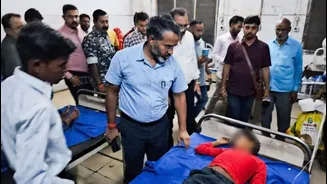
of a severe food poisoning outbreak. What began as a common evening indulgence for villagers quickly escalated into a public health crisis. By Saturday night, many who had partaken in the popular street food began exhibiting distressing symptoms, including persistent vomiting and debilitating weakness. The situation worsened dramatically by Sunday morning, necessitating the hospitalization of eighteen individuals. Tragically, the outbreak claimed the life of a young 7-year-old child, transforming a simple culinary delight into a source of profound sorrow and highlighting the precarious nature of food safety, particularly during warmer months when bacterial proliferation accelerates.
The Hidden Risks Explained
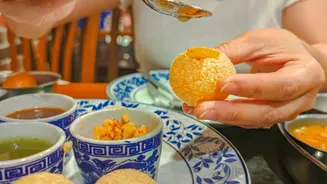
Pani puri, a seemingly innocuous and widely enjoyed snack, is a complex concoction of multiple ingredients, each presenting potential health hazards if not handled with utmost care. Dr. Archana Batra elucidates that the snack inherently comprises several high-risk components: the water used for the 'pani,' the raw and prepared fillings, and the overall hygiene practices of the vendor. The water is often a primary culprit; if it's not sourced from a clean, filtered supply, it can harbor dangerous pathogens like E. coli or Salmonella. In the sweltering summer heat, these bacteria can multiply at an alarming rate, transforming even slightly questionable water into a significant health threat within hours. Furthermore, the cooked fillings, such as boiled potatoes and chickpeas, are susceptible to bacterial growth when left exposed to ambient temperatures for extended periods, making them a breeding ground for harmful microorganisms during hot weather.
Hygiene and Bacterial Threats
Beyond ingredient contamination, the personal hygiene of the food handler and the general cleanliness of the stall are critical determinants of food safety. Dr. Batra emphasizes that lapses in cleanliness, such as unwashed hands, the reuse of unsterilized utensils, or the exposure of food to flies and dust, can introduce a cascade of contaminants. Germs can easily transfer from unclean hands or surfaces to various food items, leading to cross-contamination. In some severe instances, the danger isn't just from the bacteria themselves but from the potent toxins they produce as they multiply. These toxins can induce rapid dehydration and put immense strain on vital organs, potentially leading to fatal outcomes if medical intervention is delayed. The heightened temperatures of summer exacerbate this problem by accelerating bacterial activity, which explains the increased incidence of foodborne illnesses during this season.
Savvy Street Food Choices
While the Jharkhand incident serves as a stark reminder, completely abandoning beloved street foods like chaat is not necessarily the only solution. Dr. Archana suggests that adopting a mindful approach can significantly mitigate risks. When selecting a vendor, prioritize those who assemble the chaat fresh in front of you. It is prudent to exercise caution with water from unfamiliar sources; if unsure about a new vendor's water quality, it's best to refrain from partaking. Observe the vendor's hygiene practices: clean hands and covered ingredients are positive indicators. Be wary of chutneys and fillings that have been sitting out for extended durations, as they are more prone to spoilage. Stalls with high customer traffic often imply fresher ingredients due to rapid turnover. Ensure that toppings like onions and coriander have been thoroughly washed, as they too can harbor germs. Ultimately, even everyday foods require basic hygiene to remain safe, and street food, while culturally significant, demands a degree of awareness to ensure a safe and enjoyable experience.