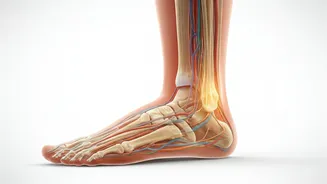

Foot-Brain Hypothesis Explored
The concept of a direct link between the feet and the brain, as proposed by Nike, introduces a novel perspective on how our bodies function. This theory
posits that specific movements and sensations in the feet can transmit signals that influence cognitive processes. The idea is based on the complex neural pathways within our bodies, where sensory information from the feet travels through the spinal cord and up to the brain. This pathway suggests a direct link, with potential for enhancing cognitive functions such as focus, memory, and reaction time. Nike suggests that specialized footwear could possibly stimulate these pathways, leading to measurable improvements in cognitive performance. This connection is believed to be rooted in the intricate interplay of our nervous system and the way our bodies interact with the environment.
Nike's Conceptual Framework
The Nike theory builds on the idea that carefully designed footwear can tap into the potential of this foot-brain link. The company's vision involves creating shoes that are more than just protective gear; they are designed as cognitive enhancers. The design would involve integrating specific technologies and materials within the footwear to stimulate the foot's sensory receptors. These receptors would then send precisely tuned signals to the brain, optimizing cognitive performance. Nike's research has likely focused on various aspects of this theory, including the types of materials best suited for stimulating particular neurological pathways and the optimal design features for maximizing the impact of sensory input. Though specifics of these technologies remain closely held, Nike's overall approach demonstrates a commitment to bridging the gap between sports performance and cognitive enhancement.
Independent Research Insights
While the conceptual framework presented by Nike is intriguing, it's essential to consider the empirical evidence. The role of independent research becomes critical for assessing the validity and scope of the theory. Such research allows the scientific community to analyze the claims using scientific methods and objective standards. It would include studies that assess the impact of different footwear designs on cognitive abilities. This research could involve tests measuring focus, reaction time, and other cognitive metrics in individuals wearing various shoes. The findings from these independent research efforts could offer valuable context, either validating or qualifying the claims made by Nike. Results would provide essential data on the practical applications and possible limits of the foot-brain connection theory, therefore contributing to the body of knowledge on the subject.
Analyzing Research Outcomes
The results of independent studies are necessary for a comprehensive evaluation of the foot-brain connection theory. Analyzing the results requires careful consideration of experimental designs, sample sizes, and statistical methods used. If studies show substantial improvements in cognitive performance linked to specific footwear designs, it would offer support to the theory. These findings might stimulate further research to discover the precise neurological mechanisms involved. On the contrary, if studies show limited or inconsistent results, it would reveal potential complications, calling for further inquiry and possibly a reevaluation of the assumptions underlying the theory. It's also important to consider the limitations of individual studies, which may include the specificity of the cognitive tasks used and the diverse characteristics of the participants. A robust analysis of research outcomes should balance the findings with these considerations, giving a thorough and objective view of the evidence available.
Future Implications & Beyond
The potential implications of a confirmed foot-brain link are far-reaching. Imagine a future where athletic footwear is designed to enhance cognitive performance as well as physical capabilities. This could transform areas such as sports, education, and even military applications, where quick thinking and sharp focus are extremely important. However, the development of this concept also brings ethical considerations. It could involve the accessibility and equity of this technology, ensuring that its benefits are available to everyone. It may spark discussions regarding the responsible application of cognitive enhancement. As the scientific community progresses, it will continue to refine the understanding of how the body and mind interact. The research into Nike's theory could be a significant step in unlocking new possibilities for human enhancement and performance.