





Chhole Bhature's Verdict
Often celebrated as a dish that brings pure joy, Chhole Bhature receives a rating of 5 out of 10 from nutritionist Nmami Agarwal. The primary concern lies
with the bhature, typically crafted from refined flour and deep-fried, making them less than ideal for frequent consumption. Agarwal suggests a healthier approach by preparing bhature at home using nutrient-dense grains such as ragi, jowar, or whole wheat flour. To further enhance its nutritional value, pairing this dish with a freshly prepared salad can help create a more balanced meal. This modification allows for the enjoyment of the beloved flavors while mitigating some of the less healthful aspects of its traditional preparation, emphasizing conscious choices for better dietary outcomes.
Dal Rice: A Winner
Earning a perfect score of 10 out of 10, Dal Rice stands out as an exceptionally well-balanced and wholesome meal. According to Agarwal, its simplicity is a key strength, making it suitable for regular consumption. The lentil-based dal contributes essential protein to the diet, while rice provides the necessary carbohydrates for energy. Together, they form a complete and satisfying meal without requiring complex preparation or exotic ingredients. This classic combination is lauded for its inherent nutritional synergy, offering a straightforward yet highly effective way to meet daily dietary needs, solidifying its status as a nutritional champion in Indian cuisine.
Pani Puri's Surprise Score
The popular street food, Pani Puri, surprisingly garners an 8 out of 10 rating, a score that might catch many off guard. Agarwal explains that the nutritional merits stem from its typical fillings, which often include chickpeas and potatoes, alongside a flavorful water infused with digestive spices. The key determinant for its favorable rating, however, is portion control. She emphasizes that consuming between 4 to 5 pani puris is considered an excellent way to enjoy this snack. This moderate consumption ensures that the benefits of the filling and spices are maximized, while the potential drawbacks of excessive intake are avoided, highlighting the importance of mindful eating habits for even the most indulgent treats.
Idli Sambar's Health Benefits
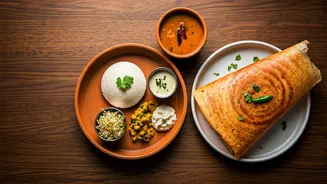
Idli Sambar is definitively endorsed as a highly beneficial meal. This combination is celebrated for being light, easily digestible, and excellent for gut health, largely due to the fermentation process involved in making idlis. Fermentation cultivates beneficial probiotics, contributing to a healthy digestive system. Furthermore, the accompanying sambar and chutneys add valuable fiber and protein, rounding out the meal into a nutritious package. Its status as a strong breakfast choice is well-deserved, offering a balanced start to the day that is both nourishing and gentle on the stomach, making it a prime example of health-conscious traditional Indian cuisine.
Pav Bhaji's Nutritional Drawbacks
Receiving a less favorable rating of 4 out of 10, Pav Bhaji presents nutritional challenges despite its vegetable content. Agarwal points out that the significant amount of butter used in its preparation, coupled with the refined flour used for the pav, substantially diminishes its overall health value. Additionally, the dish is noted for its deficiency in protein. Consequently, the advice is to treat Pav Bhaji as an occasional indulgence rather than a staple. This recommendation underscores the impact of cooking methods and ingredient choices on the nutritional density of a meal, urging consumers to be aware of these factors when choosing their food.
Jalebi's Sweet Reality
Jalebi scores a low 3 out of 10, reflecting its composition primarily of refined flour and sugar. This combination can lead to rapid spikes in blood sugar levels, making it a less healthy option for regular consumption. However, Agarwal highlights a crucial point: a low nutritional score does not equate to a complete ban. Instead, it serves as a reminder that moderation is key. Enjoying Jalebi occasionally, in small quantities, allows one to savor its sweetness without significant detriment to health. This perspective promotes a balanced approach to food, emphasizing mindful enjoyment over strict avoidance.