





Altitude's Embrace
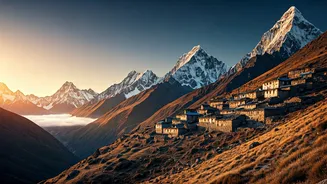
Nestled amidst the towering peaks, India boasts a village that claims the title of its highest inhabited settlement. This remote community is characterized
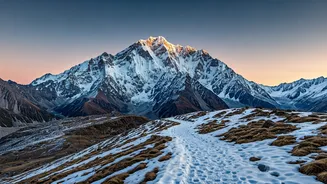
by its incredibly small population, numbering less than 150 individuals. The sheer elevation at which this village thrives presents a unique environment, shaping the daily lives and traditions of its resilient residents. Life at such an extreme altitude requires special adaptations, both in terms of infrastructure and the human spirit, making it a remarkable testament to endurance and community living in some of the world's most challenging terrains. The isolation contributes to a distinct cultural preservation, allowing traditions to flourish undisturbed by the rapid pace of the outside world. This secluded haven offers a glimpse into a simpler existence, deeply connected to the natural landscape that surrounds it.
Community in Isolation
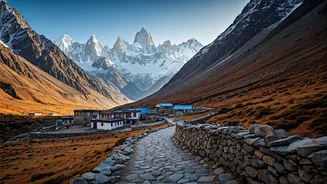
The handful of families that call this elevated village home have cultivated a profound sense of community, born out of their shared isolation. With a population under 150, every individual plays a crucial role in the village's ecosystem. This close-knit society fosters strong interdependencies, where mutual support is not just a value but a necessity for survival and prosperity. The limited number of inhabitants means that social bonds are deep and enduring, creating a harmonious environment. Their way of life is intricately tied to the rhythms of nature, with seasonal changes dictating agricultural practices and daily routines. This self-sufficient existence, though challenging, offers a unique perspective on human connection and the importance of collective well-being. The village stands as a symbol of how small communities can thrive even in the most remote and demanding geographical settings.