



Timing Your Icelandic Visit
Selecting the ideal time to experience Iceland hinges entirely on your personal travel aspirations. For those drawn to extended daylight hours, balmy weather,
and the possibility of venturing into the rugged highlands, the summer months of June through August present an unparalleled opportunity. Conversely, if the ethereal dance of the Northern Lights and the allure of a snow-draped landscape are what call to you, the winter period from November to March offers the most magical setting. The transitional spring and autumn seasons, spanning April to May and September to October respectively, provide a harmonious blend of agreeable weather conditions and a more tranquil atmosphere with fewer fellow travelers to contend with. Each season offers a distinct yet equally captivating Icelandic tableau.
Currency and Language
While Iceland has embraced modern commerce, understanding its financial system and linguistic landscape is key. The official currency is the Icelandic króna (ISK). Although credit card acceptance is widespread across the island, particularly in urban centers and tourist hotspots, it's prudent to carry a modest amount of cash. This readily available currency will prove useful for smaller transactions, such as purchasing local crafts from market stalls or in more secluded, less frequented establishments. Linguistically, Iceland's official tongue is Icelandic. However, thanks to the nation's strong ties to global communication and a welcoming approach to visitors, English is spoken fluently by a significant portion of the population, especially within the tourism industry. This widespread proficiency ensures that communication barriers are minimal, allowing for easy interaction and information gathering throughout your stay.
Navigating Iceland's Terrain
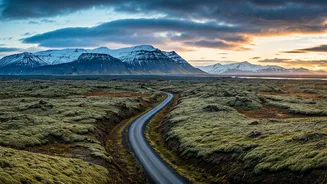
Exploring the diverse Icelandic landscape is most effectively achieved by embracing the freedom of a rental car. This option provides unparalleled flexibility, allowing you to chart your own course, pause at spontaneous scenic viewpoints, and truly immerse yourself in the surroundings at your own pace. For travelers who prefer not to take the wheel, a range of organized tours are readily available, offering curated experiences and expert guidance. Public transportation does exist, though its reach is primarily concentrated within the capital city of Reykjavík and its immediate vicinity, making it a less practical choice for extensive countrywide exploration.
Embracing Unpredictable Weather
Iceland's weather is famously capricious, capable of presenting a spectrum of conditions at any given moment, regardless of the season. It is therefore imperative to pack with a mindset of preparedness for all eventualities, even during the milder summer months. The principle of layering clothing is paramount; by incorporating multiple thin layers, you can easily adjust to fluctuating temperatures. Investing in high-quality waterproof and windproof outer garments is not merely recommended but essential to shield yourself from the elements. This strategic approach to dressing ensures you remain comfortable and dry, allowing you to fully appreciate Iceland's natural grandeur without being deterred by sudden shifts in weather.
Understanding Travel Costs
Iceland is globally recognized as a destination that requires a considerable budget. Prospective visitors should meticulously plan their finances, allocating sufficient funds for accommodation, dining, activities, and transportation. The cost of goods and services, particularly in tourist-heavy areas, can be significantly higher than in many other countries. Proactive budgeting and seeking out value where possible, such as considering self-catering options or looking for package deals, can help manage expenses. A clear understanding of Iceland's pricing structure from the outset will contribute to a more relaxed and enjoyable travel experience.
Geothermal Wonders and Safety
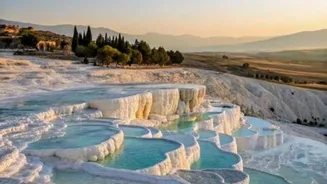
The geological dynamism of Iceland is a defining characteristic, manifested through its numerous hot springs, erupting geysers, and stark volcanic terrains. These natural phenomena are a significant draw for visitors, offering unique and awe-inspiring experiences. However, it is crucial to approach these geothermal areas with a profound respect for safety guidelines. The ground can be unstable, water temperatures can be dangerously high, and volcanic activity, while often dormant, is a constant underlying force. Always adhere to marked paths, heed warning signs, and refrain from venturing into areas deemed unsafe by local authorities to ensure your well-being amidst these powerful natural displays.
Chasing the Aurora Borealis
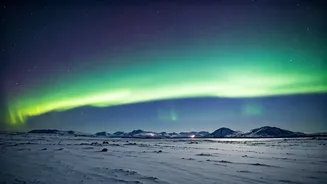
For those venturing to Iceland during the winter months, the opportunity to witness the Northern Lights, or Aurora Borealis, is often a primary objective. This breathtaking celestial display is most vividly observed on nights characterized by clear skies and minimal light pollution. To maximize your chances of seeing this natural wonder, it is advisable to travel away from the glare of urban centers. Locations that offer expansive, unobstructed views of the night sky will provide the most magical backdrop for this unforgettable spectacle. Patience and a bit of luck are key ingredients in the pursuit of the aurora.
Respecting Fragile Nature
Iceland's breathtaking natural beauty is a treasure that demands the utmost respect and careful stewardship from every visitor. The delicate ecosystems that define this island nation are easily disrupted. It is imperative to remain on designated trails when exploring hiking routes and natural reserves to prevent erosion and protect delicate vegetation. Interactions with wildlife should be kept at a respectful distance, avoiding any disturbance or feeding. The guiding principle should always be to leave no trace of your presence, ensuring that the pristine state of Iceland's landscapes is preserved for future generations. This mindful approach is fundamental to responsible tourism.
Booking Essential Services
Due to Iceland's surging popularity as a travel destination, particularly during its peak seasons, making reservations well in advance is a highly recommended practice. This includes securing accommodation, booking rental vehicles, and reserving spots on popular tours or excursions. Early booking not only guarantees availability for sought-after lodgings and activities but can also lead to more favorable pricing. By planning ahead, you mitigate the risk of disappointment and can approach your trip with greater confidence, knowing that your key arrangements are firmly in place.
Volcanic Activity Awareness
Iceland's volcanic nature is a dynamic force, as evidenced by recent eruptions on the Reykjanes Peninsula. These events, some occurring close to Keflavik International Airport, have led to evacuations and safety measures, such as hiking prohibitions. Notably, the town of Grindavik, after being evacuated, has since reopened, becoming a point of interest for those wanting to see the new lava formations. Visitors planning to explore areas near active volcanic sites must stay informed about the latest seismic activity and adhere strictly to marked routes. Promptly following any official advice to evacuate is paramount for personal safety in these geologically active zones.
Common Sense in the Wild
Iceland's dramatic natural landscapes, while stunning, require a keen sense of awareness and common sense for safe exploration. Incidents have occurred where visitors, unprepared for the terrain, have faced perilous situations, such as attempting to traverse glaciers in inadequate footwear or driving inappropriate vehicles on icy surfaces. The absence of extensive safety railings near cliffs or waterfalls is a deliberate choice to preserve the natural beauty, placing the onus on individuals to be mindful of their surroundings. Always heed any existing signs or barriers, as they are in place for your protection amidst Iceland's potentially hazardous, yet magnificent, environments.
Road and Trail Preparedness
While a personal vehicle offers freedom to explore Iceland's vast countryside, thorough preparation is crucial before setting out. Research driving times, ascertain current road and weather conditions, and investigate trail statuses if you plan on hiking. ICE-SAR's platform provides vital travel and weather alerts, alongside a helpful app for emergencies. Developing a realistic itinerary is key; consult locals for insights into specific route challenges. Being equipped with adequate food and water, and knowing your return route, is essential to prevent becoming stranded, especially when venturing into more remote areas or during inclement weather.
Sustainable Exploration Practices
Iceland's environment is incredibly delicate, and responsible tourism practices are vital to its preservation. Never venture off marked roads or trails, as doing so is illegal and causes significant damage to the fragile terrain, leaving lasting scars that can encourage further misuse. Even with a four-wheel-drive vehicle, sticking to designated paths is paramount. This respect for the landscape ensures that its natural beauty can be enjoyed by all, now and in the future, while minimizing the human footprint on this unique island.
Hot Spring Etiquette
A beloved Icelandic tradition is a visit to the country's numerous natural hot springs and pools. Before immersing yourself, adhering to a strict hygiene protocol is non-negotiable: a thorough wash with soap is mandatory before entering the water. Since most pools are not chemically treated, cleanliness is paramount to avoid contaminating the water for others. Additionally, remember to remove your shoes before entering the changing room and place them on the designated rack. Respecting these simple rules ensures a pleasant and sanitary experience for everyone enjoying Iceland's geothermal treasures.