




Weightlifting's Core Benefits
Weightlifting plays a pivotal role in fat loss. It's not just about what you see in the mirror; it's about what happens on a cellular level. Lifting weights
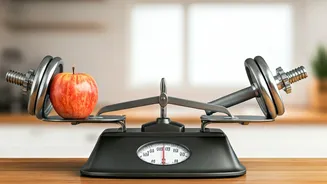
triggers metabolic adaptations that significantly boost fat burning. When you lift weights, your body requires energy, leading to an increased calorie expenditure during and after your workout. Furthermore, weightlifting builds muscle mass, which is metabolically active tissue. This means that muscle tissue burns more calories at rest compared to fat tissue. As you build more muscle, your body becomes a more efficient fat-burning machine. This increase in metabolism makes it easier to lose weight and keep it off. In essence, lifting weights reshapes your body's energy balance, making it a powerful tool for fat loss and overall health improvement. Incorporating weightlifting into your routine is therefore far more beneficial than just cardio or diet as it offers comprehensive benefits beyond mere calorie burning. It enhances your body's ability to utilize stored fat for energy, promotes better metabolic health and also improves physical strength and endurance.
Muscle, Metabolism, and Fat
The relationship between muscle mass, metabolism, and fat loss is a cornerstone of the weightlifting-for-fat-loss strategy. Muscles are metabolically active; they require energy to function and maintain themselves. The more muscle mass you have, the higher your basal metabolic rate (BMR) becomes. Your BMR is the number of calories your body burns at rest, just to keep you alive. When you lift weights, you create micro-tears in your muscle fibers, which the body then repairs, building bigger and stronger muscles. This repair process needs energy, thus increasing your daily caloric needs. Over time, building muscle through weightlifting increases your BMR, allowing you to burn more calories throughout the day, even when you're not exercising. This is why weightlifting is so effective for long-term fat loss. It doesn't just burn calories during your workout; it transforms your body into a more efficient fat-burning machine 24/7. So, while cardio burns calories during the session, weightlifting offers a sustained metabolic advantage by changing your body composition and enhancing the body's natural fat-burning ability.
Heart Health Benefits
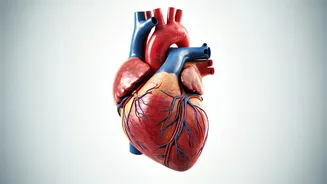
Weightlifting not only aids in fat loss but also offers profound benefits for heart health. Regular resistance training helps improve cardiovascular function in several ways. Lifting weights can lower blood pressure, which reduces the strain on your heart. It also helps improve cholesterol levels by increasing 'good' HDL cholesterol and decreasing 'bad' LDL cholesterol, thereby reducing the risk of plaque buildup in your arteries. Furthermore, weightlifting enhances the efficiency of your heart muscle, making it stronger and more capable of pumping blood effectively. Stronger heart means less effort for your heart. In addition to these direct benefits, weightlifting contributes to a healthier body composition. As you lose fat and build muscle, you reduce the risk factors associated with heart disease, such as high blood sugar and inflammation. By incorporating weightlifting into your routine, you are effectively investing in a stronger heart and a healthier, more resilient cardiovascular system, thus lowering the risk of life-threatening diseases.
Sustainable Strategies Defined
Sustainable fat loss is about making lasting lifestyle changes, not quick fixes. This involves adopting strategies that you can maintain over the long term. A key principle is creating a calorie deficit, meaning you consume fewer calories than you burn. However, rather than drastic calorie restriction, which can lead to muscle loss and a slowed metabolism, focus on a moderate deficit. Combine this with regular weightlifting to preserve muscle mass and boost metabolism. Incorporating a balanced diet that includes lean proteins, complex carbohydrates, and healthy fats is crucial. Adequate protein intake is particularly important, as it helps preserve muscle during fat loss. It also enhances satiety, helping you feel fuller for longer. Prioritize whole, unprocessed foods and limit processed foods, sugary drinks, and excessive fats. Consistency is key. Create a realistic workout schedule that you can stick to, focusing on compound exercises that work multiple muscle groups. Listen to your body and incorporate rest days for recovery. Sustainable fat loss isn't just about what you do in the gym or eat; it's about building healthy habits that support your long-term well-being and making your lifestyle more suitable for long-term weight management.
Patience and Persistence
Patience is a cornerstone of any successful weightlifting and fat loss journey. Results, especially sustainable ones, take time. It's crucial to understand that quick fixes often lead to disappointment and rebound weight gain. Building muscle and losing fat are gradual processes. The body doesn't transform overnight; it needs time to adapt to new training stimuli and dietary changes. Being patient allows you to avoid the pitfalls of overly restrictive diets or excessive exercise that can lead to burnout and injury. Instead of focusing solely on the numbers on the scale, concentrate on the process. Focus on consistently following your workout routine, making healthy food choices, and tracking your progress. Celebrate small victories along the way. Did you complete an extra rep? Did you lift a heavier weight? Did you cook a healthy meal? These are all signs of progress. Staying persistent means sticking to your plan even when you don’t see immediate results. Trust the process, understand that plateaus are normal, and be prepared to make adjustments to your routine or diet as needed. Patience, coupled with consistent effort, will lead to the sustainable fat loss and improved overall health you desire. Keep the long-term goal in mind.